Categories
Altcoins

Stablecoin Trading Volume Rallies Up Amidst Falling Market

As the cryptocurrency market capitalization fell from $2 trillion to as low as $1.55 trillion in the previous 48 hours, data shows a surge in stablecoin activity as investors try to reduce the losses caused by the market sell-off.

Bitcoin, the most popular cryptocurrency, plummeted below its $40,000 support zone on Friday, trading as low as $34,349.25, a loss of around $5,250 in one day and a 12.83 percent drop. Bitcoin has lost around a quarter of its value this year, indicating the beginnings of a cryptocurrency bear market.

Altcoins have fared much worse, losing over 30% of their value since the beginning of the year, falling from $1.35 trillion to $919 billion, a loss of $431 billion in market capitalization. As a result, the altcoin market has practically lost its trillion-dollar status, with all of them posting double-digit losses for the year.

The daily trading volume of Tether’s USDT, the most capitalized stablecoin linked to the US dollar, has increased, according to data from Nomics. USDT trading volume increased by 68.74 percent from $68.45 billion to $115.50 billion between Thursday and Friday, the day of the crisis.

With a daily value of $109.21 billion on Saturday, the USDT trading volume showed no indications of declining. The second and third most capitalized stablecoins, Circle’s USDC and Binance’s BUSD, both experienced the similar surge.

Between Thursday and Friday, USDC witnessed a 126.13 percent increase in daily trading volume, rising from $3.98 billion to $9 billion, while BUSD saw an 86.18 percent increase in daily trading volume, rising from $3.40 billion to $6.33 billion.

On Friday, the trio had a combined transaction volume of $130.83 billion, which was more than Bitcoin’s daily transaction volume of $59.48 billion and Ether’s transaction volume of $43.69 billion on the same day. Even when the trading volumes of Bitcoin and Ether are added together, they still fall short of the trio’s daily transaction volume, indicating that traders are seeking refuge in the stablecoin during this weak market.

Categories
Altcoins Guides & Tutorials

TrueUSD (TUSD): What To Know About the Stablecoin

Stablecoins are digital currencies that are linked to fiat currencies or commodities. Stablecoins have historically aided merchants in maximizing trading profits by reducing the amount of time they spend dealing with traditional institutions each time they place a trade. TrueUSD is a stablecoin that is backed by the US dollar. TUSD’s tokens are backed by a variety of accounts, reducing the danger of associated hazards. Furthermore, it provides legal protection to all token holders against any form of exploitation.

It was launched by TrustToken, an asset-backed platform. It’s an ERC-20 token with a transparent collateralization system. True USD was created for the first time in 2018. The fundamental goal of this cryptocurrency was to provide its users with a reliable, stable, and simple currency.

History

As previously stated, the asset was created by TrustToken, a San Francisco-based exchange that specializes in asset-backed tokens that are easily exchanged around the world. TUSD, on the other hand, is the TrustToken platform’s first stablecoin.

With the goal of creating a more stable market, the team behind the TrustToken platform has made it a priority to tokenize assets such as real estate, movies, limited corporations, and other similar assets.

Rafael Cosman, co-founder and CEO of TrustToken, has ordered a monthly audit for the TUSD stablecoin. As a result, it acts as a hedge against the market’s volatility while also providing investors with a reliable and high-impact asset.

How it Works

The third-party escrow accounts are critical to the effective operation of every TrustToken tokenized asset. TrueUSD can be purchased or redeemed by anybody who passes the KYC and AML standards.

To keep themselves from issuing tokens, TrustToken uses publicly audited smart contracts. The money is never touched by the TrustToken staff. When an escrow account gets USD, new TUSD is instantly created. When a user redeems USD, an equal quantity of TUSD is immediately burnt. As a result, TrustToken assures a 1:1 USD to TUSD ratio between escrow funds and TUSD in circulation.

When a user passes the KYC/AML process, he or she can transmit USD to one of TrueUSD’s trust partners (along with Ethereum wallet address). The API then interacts with TrueUSD’s smart contract, which issues tokens in a 1:1 ratio and sends them to the supplied wallet once the funds have been validated by the escrow company.

When the tokens arrive in your wallet, you can use them for whatever you want. TrueUSD tokens combine the best of both worlds: fiat’s stability and confidence, as well as cryptocurrencies’ low costs, short transfer times, and worldwide reach.

A reverse procedure is followed if you want to convert TUSD back to US Dollars. The user returns TUSD tokens to the smart contract address, which alerts the trust corporation and initiates a fiat transfer to the user’s account.

What Makes it Unique

TrueUSD has risen to the top of the list of investment options due to the unique perks that come with its use.

TrustToken does not charge a fee for trading TUSD because it earns money on USD interests stored in customers accounts. One of these benefits is that the token guarantees users a transaction charge of zero or less.

Furthermore, investors are reassured of the worry of manipulations due to TUSD’s consistent attestation and high openness. Among other things, its transparency is praised. It also makes it simple to exchange the token for the corresponding amount of US dollars.

It has key benefits like:

  • By releasing attestations on a regular basis, it gives stronger legal protection.
  • To redeem USD in place of the token, a minimum of $10,000 is required.
  • Allows users to directly exchange USD for collateral accounts.
  • After completing a short KYC/AML process, the individual is better protected.
  • It is directly backed by US dollars.
  • Escrow accounts are frequently processed with attestations, which are transparent and available to the public.

Bottomline

TrueUSD (TUSD), because of its importance in the crypto sector, is currently gaining traction. Furthermore, with its top-rated attribute of transparency, it aspires to become the top-listed stablecoin. Since its inception a few years ago, the coin has experienced significant growth. As a result, it is correct to predict the asset’s success.

The asset’s availability on the Ethereum blockchain, for example, ensures that the token has the essential mechanism to explore the crypto ecosystem and develop exponentially among other stablecoins.

Categories
Bitcoin

MicroStrategy Lost $4B in Profit to The Dip

For crypto traders, November 2021 seems like a long time ago. Bitcoin, the world’s most valuable cryptocurrency by market capitalization, was sold for $69,000 at one time during that month.

However, the asset’s value has plummeted by up to 50% as a result of repeated drops. Fewer than 24 hours ago, the value of various cryptocurrencies, including bitcoin, plummeted.

Bitcoin, for example, was over $43,000 yesterday, but it was around $38,000 at the time of writing. Many traders have lost money as a result of the recent dip, depending on the size of their portfolio.

MicroStrategy, the largest publicly traded business intelligence and software company that has been bullish on bitcoin since its inception, is likely to have suffered the highest losses. With a total of 124,391 bitcoins, the company is the world’s largest corporate bitcoin holder.

MicroStrategy has lost about $4 billion in paper profit as a result of the bitcoin crash, dating back to November of last year, when the value of bitcoin was at $69,000.

The software company may appear to have suffered a significant loss, but a glance at MicroStrategy’s bitcoin buying history suggests differently in the long run.

The company’s total holdings of 124,391 bitcoins, purchased at an average price of $30,159 per bitcoin, were worth around $3.75 billion after fees and other charges.

Despite the recent bitcoin drop, MicroStrategy’s total holdings are currently valued a little over $4 billion, representing a profit of more than a billion dollars when compared to the capital invested.

The company had a $5 billion bitcoin hoard at the time of its previous purchase, but with the recent drop, the value has dropped to around $4 billion. MicroStrategy has sustained a significant loss as a result of the November bitcoin meltdown and the subsequent one. Will it ultimately succumb to the pressure to sell?

CEO Michael Saylor indicated in a recent interview that the corporation is adamant about not selling its bitcoin stockpile, regardless of market conditions. Furthermore, when the price of bitcoin dropped last year, the corporation took advantage of the opportunity and added 13,005 bitcoins to its portfolio.

As a result of MicroStrategy’s bullish attitude toward bitcoin and its willingness to buy on a dip, news of the business going bitcoin shopping again rather than selling could emerge shortly.

Categories
Bitcoin

El Salvador Just Bought Its Cheapest Bitcoin!

El Salvador, a Central American country, has added 410 Bitcoin (BTC) to its central bank as BTC values fall below $37,000, the lowest point since July 26th, 2021.

President Nayib Bukele revealed the latest contribution to El Salvador’s BTC reserve, confirming that 410 BTC were purchased for $15 million, putting the price per BTC at around $36,585.

El Salvador approved BTC as legal tender on September 7, 2021, as a way to combat catastrophic inflation and the country’s dwindling purchasing power. Today, the country has deliberately accumulated 1,801 BTC over the last four months, especially when the market experiences a brief price drop.

El Salvador’s most recent purchase is the cheapest it’s ever been since the country recognized Bitcoin as a legal tender.

With Bitcoin trading just above $36,000 and the ensuing sell-off, Bukele believes “some guys are selling really cheap,” bolstering his long-term goal of widespread Bitcoin acceptance.

BTC prices have been steadily rising since mid-July, as seen by statistics from Cointelegraph Markets Pro and TradingView, reaching an all-time high of about $69k in the first week of November. However, market values plummeted over the next three months as investors diverted their BTC winnings to other tokens.

According to a new forecast from Crypto.com, the global crypto industry will have one billion users by the end of 2022, as more developing countries follow El Salvador’s lead and accept BTC.

According to Crypto.com, if the growth rate continues at the same pace in 2022, we will have 1 billion crypto users by the end of the year. The analysis adds that, as a result of developing countries following El Salvador’s lead and adopting a friendlier approach toward the crypto business, countries can no longer afford to ignore the public’s growing interest in crypto.

Categories
Altcoins Ethereum News

Cardano Beats Ethereum In Chain Activity and Transaction Volume

In terms of transaction volume, Cardano (ADA), the largest proof-of-stake (PoS) blockchain network, continues to surpass Ethereum (ETH). According to data from Messari’s most active chains dashboard, the adjusted number of transactions performed on Cardano was over $6.5 billion in the last 24 hours, exceeding Ethereum’s $5.8 billion.

In addition, Cardano offers a lower charge structure than Ethereum, the second-largest blockchain network. Cardano transaction fees in the time span were a stunningly low $76,500, whereas Ethereum transaction fees hit $38.6 million. Cardano’s transaction fees, on the other hand, were around 568 times lower than Ethereum’s. Ethereum transaction fees have overtaken those on the Bitcoin network, which continues to be the leader in transaction volumes.

Cardano supporters have cited this disparity in costs, as well as Cardano’s dominance in transaction volume, as reasons to be bullish on the cryptocurrency, while Hoskinson emphasizes Cardano’s impressive trajectory, noting that they are only getting started with Basho.

Cardano’s high transaction volume is due to increased network activity. Sundaeswap, an automatic market maker (AMM) decentralized exchange, was the first decentralized application (DApp) on the Cardano blockchain. Yesterday, at 10.45 UTC, the platform went live. While the event was much anticipated and celebrated, it is also putting the Cardano blockchain to one of its most rigorous tests to date.

Due to severe congestion on the Cardano network, the DEX’s operation has been less than ideal. According to data from Adapools.org, a Cardano network tracking tool, network load on the Cardano network is around 89 percent at the time of writing. Due to the high volume of transactions, users have reported both failed and successful transactions taking longer to execute on Sundaeswap.

Remember that both Sundaeswap and IOHK creators predicted this outcome. Sundaeswap had already warned its members that the first few days after launch will be busy. IOHK has also announced an 11-point roadmap for bringing more scalability to the blockchain from now until 2022.

The introduction of a new version of the Cardano node, which is expected to boost network performance, will be one of the first scaling steps it will take this year.

The price of ADA has followed the crypto market movement due to the hype surrounding the introduction of Sundaeswap. ADA is currently trading at about $1.20, down about -10% for the day. This is a reversal of the price pump that ADA had been experiencing in recent days.

The price of ADA has dropped as a result of the crypto market crisis, which has seen Bitcoin go below $39,000 and Ethereum fall below $3,000. Cardano supporters, on the other hand, are enthusiastic about the price of ADA.

Categories
Altcoins Guides & Tutorials

PancakeSwap (CAKE): Everything To Know

For months, everybody with even a passing interest in cryptocurrencies has been enthralled by the food-based farming mania. PancakeSwap is one of the many platforms and networks that have sprung up as a result of the latest wave of DeFi protocols that allow users to bet their assets in return for the protocol’s tokens.

The majority of this operation has been taken over by the Ethereum network. It has developed the capacity to construct strong decentralized apps thanks to its enormous user base, developer community, and frameworks. All of this is due to its status as one of the first blockchains to support smart contracts. Read on to learn everything you need to know about PancakeSwap.

What it is

PancakeSwap is a Binance Smart Chain project. On September 1, 2020, the Binance Smart Chain (BSC) was released onto the market. This fourth-generation blockchain was created in order to function alongside Binance Chain. BSC is significantly more advanced than their previous chain, which is impressive. For example, the platform can facilitate transactions that are both speedier and less expensive. The network has ultra-high performance and can generate a block every three seconds.

CAKE is a BEP-20 token that is native to the BSC. The PancakeSwap token (CAKE) was introduced on Binance Smart Chain in September 2020. (BSC). The CAKE coin has had a fantastic year in 2021, with a massive price increase in February. CAKE’s main goal is to encourage people to provide liquidity to the PancakeSwap platform.

On September 20, 2020, PancakeSwap became live. Notably, the platform’s name was inspired by a current DEX trend of naming platforms after popular foods. On the BSC, it is now the largest and most widely utilized AMM for yield farming and staking. This rise can be ascribed in part to the Binance Accelerator Fund’s approval and promotion of it.

How it Works

PancakeSwap is a market maker that is automated (AMM). An order book isn’t used by AMMs to match customers and sellers. Instead, the site uses complex algorithms and liquidity pools to connect these parties directly. AMMs offer higher rates, faster processing, and less slippage. As a result, many of today’s most popular platforms, such as Uniswap and SushiSwap, are AMMs.

Users of PancakeSwap can provide liquidity to pools in exchange for LP (liquidity provider) tokens. As the pool’s aggregate value rises, these tokens gain value. People can profit from these permissionless liquidity pools without having to trade their assets directly. On PancakeSwap, you may presently stake in 69+ different liquidity pools. Users get returns ranging from 23.52 percent to 378.19 percent APY on average.

With the SYRUP pools, PancakeSwap also adds some unique pools to the equation. These are liquidity pools that pay out extraordinarily well. The APY on some of these pools ranges from 43.33 percent to 275.12 percent. When you stake in SYRUP pools, you can also win other tokens besides CAKE. In UST, LINA, SWINGBY, and other games, users can win rewards.

All holders of liquidity pool tokens receive access to different revenue streams just by participating. A part of the trading fees produced by the site is allocated to these users specifically. 0.17 percent of the average 0.2 percent charge is directly allocated to LP token holders.

Of course, PancakeSwap’s main feature is its simple DEX system (decentralized exchange). The DEX was designed from the bottom up to give novice users access to all of the tools they need to properly trade tokens. Tokens can be traded in a matter of seconds. Best of all, there is a large number of tokens to choose from.

What Makes it Unique

PancakeSwap makes use of a variety of unique features to provide end-users with a fantastic trading experience. For one thing, it has very low transaction costs and a speedy confirmation period, guaranteeing that trades are completed swiftly. It is also less vulnerable to displacement attacks like front-running than other AMMs, making it safer to operate.

PancakeSwap also has pyramid features that provide CAKE owners even more functionality. Taking the effort to figure it out, though, might be worthwhile.

Bottomline

PancakeSwap (CAKE) is becoming more and more important in the DeFi market every day. Users are growing increasingly interested in knowing about numerous DeFi firms that employ diverse technologies and ideas. In conjunction with Binance, PancakeSwap is fulfilling users’ DeFi objectives by providing a larger community of new experiences, innovative incentives, and enhanced overall results.

Categories
News Regulation

Bank of Russia Suggests A Ban on Cryptocurrencies

Cryptocurrencies have been the subject of intense regulatory scrutiny in recent months, with Russia becoming the latest government to explore outright banning the asset class.

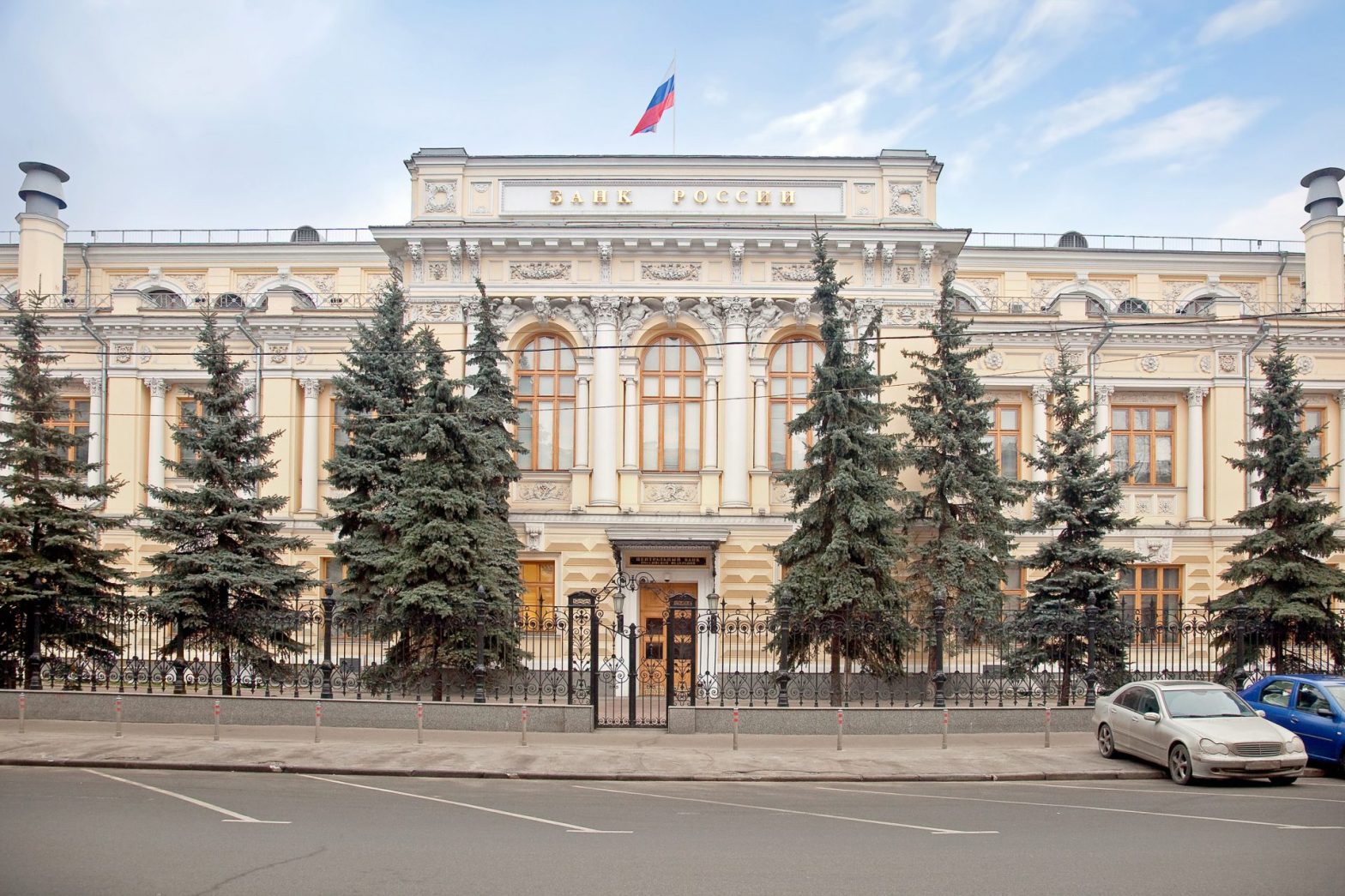
The country’s apex bank is advocating for a comprehensive ban on cryptocurrencies, according to a paper titled “Cryptocurrencies: Trends, Risks, and Measures,” which was shared during an online conference with Elizaveta Danilova, the director of the Bank of Russia’s Financial Stability Department.

Cryptocurrencies are not only volatile, but they are also frequently used to support criminal operations such as money laundering and terrorism financing, according to the regulators.

Furthermore, according to the Bank of Russia’s assessment, permitting residents to withdraw money from the economy using digital currencies might jeopardize authorities’ ability to preserve the country’s monetary policy.

To defend the country’s existing financial regulations, the Bank of Russia urged in the report that new legislation prohibiting crypto-related activity be enacted.

According to the article, the ban should target entities that aid bitcoin circulation in Russia, such as cryptocurrency exchanges and peer-to-peer (P2P) trading.

Furthermore, according to the Bank of Russia’s study, the existing rule against the use of cryptocurrencies to pay for goods and services should be strengthened.

According to the research, institutional investors should be prohibited from investing in cryptocurrencies, and mutual funds that continue to participate in digital currencies despite previous prohibitions should face a penalty.

The mining of cryptocurrencies was not spared. The activity should be prohibited, according to the Bank of Russia, because it increases demand for other crypto services and has a negative impact on Russia’s electrical supply.

According to the Central Bank of Russia’s report, Russians’ crypto activity on offshore exchanges would be watched in order to gather appropriate data.

The potential to make payments quickly, cheaply, and efficiently has sparked a spike in interest in cryptocurrencies recently.

Several countries, like Russia, have made significant attempts to build their own Central Bank Digital Currency (CBDC) to suit citizens’ expectations, despite this being a major worry for global authorities.

Categories
Bitcoin

Prince Harry and Meghan Markle Amidst A Bitcoin Scam

Recently, Prince Harry and Meghan Markle’s names were linked to a sophisticated cryptocurrency hoax. The names of the Duke and Duchess of Sussex are being used to promote endorsements on social media relating to bitcoin investment plans, according to a story in the Daily Mail. The con artists utilized falsified images and interview clips in papers to spread false information that Harry and Markle backed the dubious enterprises.

‘People earning millions have home by using Harry and Meghan latest advice,’ ran one of the false headlines. The story also included logos from international news organizations such as the Mail, the BBC, the Guardian, the Sun, and Good Morning Britain to make it more credible.

Harry and Meghan astonished everyone in the studio by revealing how they make an extra 128K pounds every month, according to another bogus news article.

The scams came to light after a surge in consumer complaints to the UK’s financial services authority, which has increased by more than 400% in five years, according to the Daily Mail.

The identities of Harry and Markle aren’t the only ones being utilized in such frauds. According to the article, other celebrities such as Bill Gates, Sir Richard Branson, and Mark Zuckerberg are also being employed in these schemes to make rich quick.

Categories
News NFT

Twitter NFT Profile Photo Verification Feature

Twitter wants NFT holders to be able to publicly display their holdings to the rest of the world. This project has been in the works since the fourth quarter of 2021.

Twitter announced the launch of a feature that will allow users to use NFTs as their profile image on January 20. Other users will be able to verify the validity of the NFT, including its author, provenance, and other required facts, in addition to using it as a display picture.

Only Twitter Blue subscribers have access to the feature. Twitter Blue is a subscription service that gives users more control over how they use the microblogging site.

Apart from being restricted to Twitter Blue subscribers, the new NFT function is now only available on iOS devices, while the firm claims that support for Android and web users will be added in the coming months.

The necessity for an NFT verification tool arose as a result of the rising popularity of NFTs last year, with certain collections attracting tens of thousands of people. As right clickers ran riot, several Twitter users utilized NFTs as their display photos, but there was no way to verify genuine ownership of these tokens via the platforms.

“Twitter is where people go to talk about things that they care about, and often where people have their first experience with crypto and NFTs. We’re now seeing people use NFTs as a form of identity and self-expression, and as a way to join the thriving community and increasingly active conversation on Twitter.”

Twitter’s new functionality will support Coinbase Wallet, Metamask, Trust Wallet, and Argent when it launches. Regardless matter whether they are Twitter Blue subscribers or IOS users, users of the platform will just click on the photo to acquire important facts about the NFT.

Twitter has been in the forefront of promoting cryptocurrency acceptance. Using the Lightning Network, the business launched a Bitcoin tipping service for creators last year. The corporation went on to form a cryptocurrency team, led by Tess Rinearson, to push the envelope.

With crypto payments and NFT authentication under its belt, analysts expect Twitter to expand its crypto offerings with a plethora of additional products. The company’s embrace of cryptocurrency is inextricably linked to its founder’s “obsession” with Bitcoin. Jack Dorsey, who famously referred to the Bitcoin whitepaper as one of the most seminal works of computer science in the last 20 or 30 years, is said to have stepped down as CEO to focus on Bitcoin with Block.

Categories
Altcoins Guides & Tutorials

Quant (QNT): The Interoperable Blockchain OS

Quant Network, unlike other cryptocurrency projects, does not intend to complicate things by creating their own interoperable blockchain that connects to others. They’re developing a blockchain operating system that can run on top of other blockchains. This will provide both consumers and institutions with the user-friendly platform they require to fully realize the benefits of blockchain technology.

Quant (QNT) is a second-layer architecture that aims to give the market global interoperability. The platform enables all types of distributed ledger technology (DLT), such as blockchain, DAG, and Tempo, to transmit data between networks. The project’s purpose is to offer enterprise software solutions to the market that make DLT integration easier and increase DLT adoption.

History

Gilbert Verdian founded Quant Network in 2015, and its native token, Quant, was released shortly after.

The Quant protocol was created out of a strong desire to improve the efficiency of global information sharing. Verdian first noticed the problem while working for the British and then the Australian governments. He saw how beneficial distributed ledger technologies (DLT) may be in resolving his issues.

The Quant protocol now supports Bitcoin, Ethereum, and Ripple ledgers thanks to the addition of overledger capability. In the blockchain sector, the Quant protocol comes the closest to resolving interoperability difficulties. In an overledger operating system, it serves as a payment validator token.

One of the platform’s ultimate goals is to create seamless interoperability, allowing the fragmented world of ledger technology to be fairly spread. As a result, the Quant protocol is frequently referred to as a blockchain operating system/software.

How Does It Work?

The Quant protocol was created to eliminate communication, interoperability, and scale hurdles that are typical in blockchains. To accomplish this, layers are assigned to jobs that they are most equipped for, as follows:

  • The Transaction Layer is responsible for storing transactions. To group similar processes into one layer and validate them throughout the blockchain, various and segregated ledgers are used. A transaction that has been validated cannot be invalidated for any reason.
  • Information and data transfer are handled by the messaging layer. Smart contract data, metadata, and transaction data are the three categories of data that can be processed. Metadata is used to interpret messages and translate them into multiple languages that can be understood by different blockchains.
  • The Filtering and Ordering Layer is also in charge of messages. It does, however, require filtering searches into specific results, unlike the message layer. Every message on the digital ledger system is recorded in a database on a first-come, first-served basis. Because it is the sole layer having the history of messages carried across the protocol, the filtering and ordering layer is responsible for validation of off-chain messages.

What Makes it Unique

Quant offers a variety of features and benefits that set it apart from the competition. For starters, it was built from the ground up to eliminate any technical obstacles to DLT integrations. The protocol is simple to set up and use. To set up your network, you don’t need any knowledge of smart contract languages, cryptography, or DLT data structures. The user interface decreases the process’s technical complexity.

Quant allows users to connect to several DLTs. DLT technology is now accessible to mainstream businesses because to network APIs. Developers, governments, and individuals can finally take advantage of the full potential of DLT without having to pay experienced programmers.

Quant works with protocols and technology stacks that are already in use. The network uses ISO DLT-interoperability standards to ensure that business solutions may be deployed quickly and easily. It is also adaptable. Any two networks, regardless of their type, can exchange assets and information.

Quant was created by a team with extensive experience in enterprise security and key systems at the national level. To keep your data safe, the platform incorporates certain advanced security safeguards. The gateway, for example, does not keep any data. Instead, it functions as a second layer that coordinates the interactions between the multiple ledgers. Notably, at the source, all data is encrypted.

In the communication between the several ledgers, this technique adds no additional DLT, consensus, bottleneck, complexity, fork requirements, or single point of failure. To stay secure, the network relies on a single set of standards-aligned APIs.

Quant is completely obedient. As part of the firm’s ambition to serve large enterprise clients globally, this was considered as a vital prerequisite.

Quant’s approach is less expensive than the competition’s. Quant, on the other hand, was designed to serve as a software solution over existing networks. It does not necessitate the construction of additional infrastructure, which could result in bottlenecks. In most cases, the default settings are sufficient to get the operation up and running.

Conclusion

Although QNT appears to be a good investment, it’s important to remember that its future is contingent on a number of factors, including new technology solutions for Quant projects, the crypto market climate, legal positions, and so on. As a result, it’s critical to conduct your homework before buying and selling Quant.

There will be additional use cases for network patches linked to different blockchains if governments begin to generate digital fiat currency, such as digital dollars and euros. During this time, quantity will be extremely important.

Categories
News NFT

Meta Integrating NFTs into Instagram and Facebook Profile Photos

Meta, a multinational technology corporation, is apparently getting into nonfungible tokens (NFTs) by incorporating a function that allows users to display their NFTs on their Facebook and Instagram pages. Meta is now working on prototypes that would allow users to mint collectible tokens, according to the source.

Meta is also considering developing a marketplace that allows anyone to buy and trade NFTs. However, while the news may delight millions of NFT fans on social media, all of the initiatives are still in their early phases and may change as a result.

The conversations are in response to a desire to hire more people to help with Meta’s projects. On January 12, Meta launched a campaign to hire new staff, and roughly 100 people left Microsoft.

Meanwhile, to keep employees from leaving for Meta, Apple provided bonuses ranging from $50,000 to $180,000, as well as stock options.

Meta’s big rebranding, which was previously known as Facebook, allows the firm to focus on efforts other than social media. The startup unveiled its aspirations to establish a metaverse that combines physical and online social events last year. The company also showed off prototypes of haptic gloves that could be used in the future metaverse.

Potential revenues in the NFT industry are becoming increasingly difficult to overlook. Traditional brands are expected to enter the NFT arena and investigate how to profit from it, according to analysts.

Opensea, the top NFT marketplace, recently reached a monthly transaction volume of $3.5 billion. This means that just within the platform, almost $169 million is spent each day on NFT trading. According to NFT sales monitoring figures, the NFT market has a total sales value of $25 billion.

Categories
News Regulation

Indonesia Islamic Council Still Against Cryptocurrency

The Tarjih Council and the Central Executive Tajdid of Muhammadiyah, one of Indonesia’s major non-government Islamic organizations, have issued a new fatwa prohibiting Muslims from using cryptocurrencies, calling it haram (illegal).

The fatwa, or Islamic legal opinion, was issued on Tuesday, and it highlighted two key concerns with cryptocurrencies that make them illegal as an investment instrument and a medium of exchange under Islamic law:

  • Cryptocurrencies are unsuitable as an investing tool due to their speculative character. The crypto tokens are thought to have “gharar” (obscurity), implying that they are not backed by something tangible, such as gold, and hence are illegal under Islamic law.
  • Cryptocurrencies do not fit the requirements of Islamic barter or medium of exchange rules, which need legal cash to be accepted by both parties.

“This speculative nature and gharar is forbidden by the Shari’a as the word of God and the hadith of the Prophet SAW and does not meet the values ​​and benchmarks of Business Ethics according to Muhammadiyah.”

Muhammadiyah is the third Islamic organization in Indonesia to issue a fatwa prohibiting the usage of bitcoin. Previously, the Indonesian Ulema Council (MUI), the country’s highest clerical organization, deemed crypto haram as a transactional tool in November 2021. It did say, though, that crypto assets can be utilized as an investing instrument if they follow sharia principles. Another important Islamic body, the Nahdlatul Ulama (NU), declared crypto haram in October 2021 because to its speculative nature.

Despite mounting requests from Islamic organizations in Indonesia to prohibit the use of cryptocurrency, the country has seen a massive increase in popularity. In 2021, the country had $9.8 billion in crypto transactions, up 1,222 percent from the previous year. Not just for investments and transactions, but also as a trading commodity, crypto has become the preferred currency of many worldwide crypto exchanges.

Categories
Altcoins News Regulation

Ripple vs. SEC Lawsuit: Case Coming to An End

Ripple has won a tiny victory in its over-a-year-long legal battle with the Securities and Exchange Commission (SEC). Ripple has been granted access to emails within the SEC by a federal judge, which they hope will aid their case.

Ripple recently won a significant legal battle with the Securities and Exchange Commission. This came after U.S. Magistrate Judge Sarah Netburn determined that emails relating to a speech given by a high-ranking member of the commission on Ethereum in 2018 were ineligible for Deliberative Process Privilege protection.

A speech delivered at the time by William Hinman, then Director of the SEC’s Division of Corporate Finance, revealed to attendees at a Yahoo Finance Crypto Summit that Ethereum, like Ripple’s XRP, was not a security. He went on to say that the token was quite decentralized.

The speech has become a source of dispute in a year-long court battle in which the SEC claims Ripple and its co-founders knew XRP was a security that needed to be registered with the SEC but sold it anyway without following proper protocol.

Ripple’s staff has attempted to expose the reasoning behind the regulatory body’s decision that Ethereum is not a security, in the aim of exposing contradictions in the complaint against them and proving that XRP is not a security as well.

The judge’s judgment encompasses documents produced by Valerie Szczepanik, the SEC’s Head of Innovation and Financial Technology, describing various internal SEC conversations and mail sent between Hinman and other SEC officials discussing the preparation of the now-controversial speech.

Judge Sarah Netburn stated in her judgement that the details in the documents did not reveal any key links in the deliberation processes and, as a result, could not be protected by privilege.

The ruling is a direct outcome of the Ripple team’s perseverance in pursuing this judgment for several months, despite the fact that it is a minor milestone. Ripple’s attitude has been diametrically opposite to what has appeared to be the norm for many who have faced similar charges from the SEC. Instead of settling out of court, the team chose to take the SEC on in court.

Categories
Altcoins Guides & Tutorials

What You Should Know About Maker (MKR)

Maker (MKR) is an ERC-20 token that is native to the Maker Protocol, a decentralized finance (DeFi) initiative that allows users to leverage assets to generate Dai – a community-managed decentralized cryptocurrency that tracks the price of USD. Maker serves as a governance token, allowing MKR holders to vote on the Maker Protocol’s development as well as ideas influencing the use of Dai. Here’s everything you should know about Maker.

What is Maker (MKR)?

MKR is a decentralized ERC-20 coin that symbolizes a Maker Project investment. The network has long been a market pioneer. The platform, for example, was one of the first Ethereum-based tradeable tokens. Maker is now one of the most widely used Ethereum-based platforms. Maker CDP contracts have a total value of almost 2.1 million ETH.

History

Maker (MKR) was launched in 2015 as a method for investors and borrowers to get involved in the Maker ecosystem. The network was founded by a programmer named Rune Christensen and is headquartered in Denmark. He continues to serve as the company’s CEO to this day.

Maker has established agreements with Digix, Request Network, CargoX, Swarm, and OmiseGO since its launch. In the shape of DAI, the latter of these collaborations gave the OmiseGO DEX with a popular and reliable stablecoin option. Since then, additional exchanges have lent their support to this one-of-a-kind effort.

How it Works

Maker Vaults, which are smart contracts, are used to generate new Dai in the Maker Protocol. These contracts can be written using a variety of online interfaces and apps that operate as portals to the network (such as Oasis Borrow or Instadapp). When a user wishes to get their collateralized crypto out of a smart contract, they must first pay back the Dai they generated, as well as a stability charge.

The Maker Protocol can also be governed with the MKR coin. Voting proposals take the form of a smart contract that may be launched from any Ethereum address. The MKR community can then vote on the proposal they want to see passed, and the Ethereum address with the most MKR approval votes is given administrative permission to make the requested change to the Maker Protocol.

What Makes it Unique

The MKR token contributes to maintaining the value of DAI, its companion stablecoin, at $1. To maintain DAI’s dollar-equivalent value, MKR can be generated and destroyed in reaction to DAI price variations. DAI employs a method of collateralization (basically insurance), in which holders serve as part of the network’s governing mechanism. When purchasers purchase a smart contract-based collateralized debt position (CDP), which functions similarly to a loan, DAI is granted.

CDPs are purchased with Ether (ETH) and are exchanged for DAI. In the same manner that a house serves as collateral for a mortgage loan, ETH serves as the loan’s collateral. Individuals can, in effect, get a loan against their ETH holdings thanks to the mechanism. The DAI is “burned” or destroyed when the loan is returned. Along the way, you’ll be charged in MKR.

The MKR token is a workaround for when the price of ETH drops too fast for the DAI system to handle. If the collateral system is insufficient to cover the value of DAI, MKR is issued and sold on the open market to raise more collateral.

Bottomline

MakerDAO’s efforts to establish a stablecoin with no reserve-backing problems are believable. MakerDAO has a strategy to protect the value of its stablecoin DAI, which could lead to its wider use, thanks to the collateralization measures and enhanced failsafe of MKR.

MakerDAO also incorporates an emergency method dubbed “global settlement” as a safeguard. A group of people owns settlement keys in case something goes wrong with MakerDAO’s system. These can be used to initiate a settlement in which CDP collateral is delivered to DAI owners in Ether equivalent value.

MakerDAO also strives for transparency, posting recordings of its regular meetings online. MakerDAO and its MKR token are at the forefront of the decentralized finance (DeFi) industry, which has become one of the major success stories of 2019.

Categories
Bitcoin Ethereum

Bitcoin and Ether Donations Accepted at Breast Cancer Foundation

Susan G. Komen for the Cure, a U.S. breast cancer nonprofit, has announced that it will accept bitcoin donations in its fight against the illness.

Komen said in a statement today that for the program, it has worked with The Giving Block, an online platform that allows non-profits and charities to receive cryptocurrency payments.

The breast cancer nonprofit will take more than 70 cryptocurrencies from donors, including bitcoin, Ether, SHIB, DOGE, Bitcoin cash, Litecoin, and others, according to the release.

Notably, Komen will issue tax receipts to those who donate cryptocurrency to the fight against breast cancer.

“We are excited to welcome donors who want to support the mission of Susan G. Komen to end breast cancer through cryptocurrency and appreciate the partnership with The Giving Block to make this possible.”

Susan G. Komen for the Cure is a non-profit breast cancer organization based in the United States that is dedicated to eradicating breast cancer worldwide while also saving lives.

The organization advocates for breast cancer sufferers throughout the world by doing high-quality research and providing appropriate information and care to aid in the disease’s treatment.

Taxation has previously been a major concern for high-net-worth donors, as they are required to pay a large tax when making large crypto payments.

Giving Block, on the other hand, announced last month the debut of a service in conjunction with Taxbit to help individuals and institutions lower their tax exposure when donating substantial sums of cryptocurrency.

With cryptocurrency popularity still gaining momentum, several nonprofit organizations and charities have opted to accept the asset class from donors. UNICEF is one of the organizations accepting cryptocurrency donations, in its effort to fund open source technology that will be beneficial to children and young people globally.

Categories
News

Mastercard and Coinbase Strike A Deal TO Accept Crypto Payments

Mastercard and Coinbase have partnered to facilitate card payments on Coinbase’s future NFT marketplace. This implies you won’t have to buy cryptocurrency first and will be able to buy an NFT with fiat currency (also known as a government-issued currency, such as the USD) with your Mastercard credit or debit card.

The cryptocurrency exchange claims to be working with Mastercard to classify NFTs as ‘digital products’, which should make NFTs more accessible to those who are hesitant to buy and store cryptocurrencies. Most NFT marketplaces need you to first buy cryptocurrency, deposit it in a safe wallet, and then connect that wallet to the marketplace, which is obviously not as simple as making a regular online transaction.

Mastercard, one of the major credit card and payment corporations in the world, has recently been on a crypto collaboration binge. In October, Mastercard announced a partnership with Bakkt to allow banks and merchants in its network to offer crypto-related services. It’s also collaborated with companies like Gemini, BitPay, and Mintable.

Visa, a competitor, has also been involved in the crypto area. Coinbase is one of more than 60 collaborations with companies in the area that the company has.

Expanding the audience for NFTs, according to Mastercard’s executive vice president of digital asset and blockchain technologies, allows the emerging industry to sustain more producers and could ignite the next stage of digital commerce. He went on to say that getting more individuals participating in the NFT market in a safe and secure way is perhaps the greatest approach to help it develop.

American Express has also stated that it is looking into using stablecoins with its cards and network. However, Amex CEO Stephen Squeri recently told Yahoo Finance that a crypto-linked card will not be available some time soon.

Bitcoin and other cryptocurrencies were created to circumvent banks and intermediaries. However, as cryptocurrencies grow more mainstream, banks and payment businesses have welcomed such technology.

Categories
Blockchain News

Binance Burns $783 Million BNB Launching Auto-Burn

Last quarter, Binance, the world’s largest cryptocurrency exchange by volume, announced the first-ever Binance token (BNB) auto-burn program, removing 1,684,387.11 BNB tokens worth $783 million from circulation.

The number of tokens to be burned under the new program is calculated using a formula based on the total number of blocks produced on the Binance Smart Chain, a blockchain with smart contract functionality that runs alongside Binance Chain, and BNB’s average dollar-denominated price over the quarter.

When cryptocurrency tokens or coins are purposefully and permanently removed from circulation, they are referred to as “burned.” The development team behind a cryptocurrency asset is usually in charge of token burning.

It can be done in a number of methods, the most frequent of which is to send the coins to a so-called “eater address,” which has its current balance publicly viewable on the blockchain but no access to its contents.

Burning may entail the project’s developers purchasing tokens from the market or burning a portion of the supply currently accessible to them.

Burning can be done for a variety of reasons, but it is most commonly utilized for deflationary purposes: a drop in the circulating supply causes an asset’s price to rise, enticing traders and investors to participate. Another significant use case for token burning is to keep stablecoin prices pegged (cryptocurrencies whose value corresponds to another asset, like the U.S. dollar).

Binance has pledged to remove 100 million BNB, or half of the total supply, from circulation through a procedure known as burning, since BNB and Binance started in 2017. The number of tokens removed during this quarter was automatically determined using the Auto-Burn methodology, unlike previous quarterly burns.

BNB burns in the past reflected token usage and revenue made on the Binance centralized exchange. The BNB Auto-Burn effectively substitutes the old burn mechanism in favor of a more objective procedure outside of the Binance centralized ecosystem as a consequence of community feedback. Binance noted in the statement that BNB will continue to burn a portion of the Binance Smart Chain (BSC) gas fees in real-time.

“BNB is deflationary,” tweeted Binance CEO Changpeng Zhao, who just received a valuation of $96 billion according to Bloomberg’s Billionaire Index. As of this writing, the BNB coin is trading at $465, down 3.38 percent. He added that:

The implementation of the BNB Auto-Burn is a natural next step in BNB’s journey and will help the BNB community grow through providing greater autonomy, transparency and predictability.”

Categories
Altcoins Guides & Tutorials

Everything You Need To Know About ZCash (ZEC)

ZCash, like Bitcoin, is a peer-to-peer (P2P) cryptocurrency. However, unlike Bitcoin, its main focus is on private, anonymous, and fungible transactions, which Bitcoin cannot do.

Zcash, formerly known as Zerocoin, was forked from Bitcoin and introduced in October 2016. It is built on a unique cryptographic protocol that protects the identity of the sender, the identity of the receiver, and the amount transacted between the two parties.

The zk-SNARK technology is used by Zcash’s open cryptocurrency project. Zcash currencies provide privacy, anonymity, and fungibility thanks to a revolutionary cryptographic zero-knowledge proof methodology.

Zcash, on the other hand, does not incorporate privacy and anonymity by default because it, like Bitcoin, includes a transparent transaction feature. As a result, Zcash offers built-in anonymity and privacy protections for those who desire to use them.

History

Zcash has a long history that dates back to 2013. The project began as Zerocoin, a completely separate network. A couple of members of the John Hopkins University Department of Computer Science in Baltimore created this privacy coin. Zerocoin was created by Matthew Green, Christina Garman, Ian Miers, and Aviel Rubin in particular.

Following an MIT cryptographic partnership in 2014, a new protocol developed. This new coin has more advanced functionality than the previous one. Zerocash was the moniker given to it. In October 2016, the network saw the birth of the Zcash cryptocurrency. At the same time, the Zcash Foundation, a non-profit organization, was established. This organization is dedicated to the growth and extension of the Zcash ecosystem in the future.

How it Works

Apart from its privacy features, Zcash is a cryptocurrency that works in the same way as other cryptocurrencies.

Nodes verify and record both shielded and unshielded Zcash transactions on the blockchain. An open network of computers adds blocks using the Equihash algorithm, which estimates how much RAM a miner is dedicating to safeguarding the blockchain.

The goal of this design was to reduce the influence of specialized mining equipment, allowing smaller computers to compete for rewards more effectively. (However, large-scale mining companies had created Zcash-specific mining devices as of 2018.)

Another unique feature of Zcash was the way in which its coin was designed to be dispersed.

For the first four years of the blockchain’s operation, the Electric Coin Company, the Zcash Foundation, and some of their key employees and stakeholders received 80% of the block reward, while the Electric Coin Company, the Zcash Foundation, and some of their key employees and stakeholders received 20%.

This subsidy was set to expire in 2020, around the time that the protocol’s first “halving,” or reduction in the amount of new ZEC it can issue, occurs.

A vote to prolong the awards distribution to these companies has yet to take place as of early 2020.

Understanding ZCash

Hundreds of rival cryptocurrencies, like ZCash, have sprung up as a result of Bitcoin’s success. As cryptocurrency users realized that their transactions were easily traceable on the blockchain, the need for anonymity grew. Zooko Wilcox-O’Hearn founded ZCash in October 2016 in response to Internet users’ requests for an open banking system with additional privacy protections.

Bitcoin was a forerunner in the open financial system; ZCash aims to keep the same structure as Bitcoin, but with the added benefit of privacy and fungibility. The ease with which one commodity can be replaced for another is referred to as fungibility. Money is fungible because it can be exchanged for anything else, whether it is gold or a fiat money like the US dollar.

Because fungible instruments are vulnerable to fraud and theft, gold is held in underground vaults, while fiat currencies are monitored by treasuries and central banks at all times. To combat fraud and theft, Bitcoin implemented a system that made all transactions completely transparent and traceable.

Unfortunately, Bitcoin’s disregard for privacy is a weakness that it has attempted to address. Because wallet addresses were pseudonymous, some early Bitcoin users felt that using Bitcoin was anonymous. Legal action against darknet sites like the Silk Road, on the other hand, demonstrated that all it takes is a modest quantity of data to reveal the genuine person behind a Bitcoin wallet.

Zcash broke new ground by embracing Bitcoin’s open ledger structure and encrypting user information. This implies that, while all ZCash transactions are recorded on a blockchain, they are encrypted and may only be accessed by people who have been granted access.

The majority of anonymous digital currencies, such as Monero, rely on private keys made out of alphanumeric characters. Users of cryptocurrency are also given a public address that serves as their identity (similar to the Internet Protocol, or IP, address assigned to computer network users). To receive funds from another user, the sender must know the other user’s public address; this also means that the sender must know the other user’s address in order to effectuate the transfer.

Bottomline

Prior to Zcash, most cryptocurrencies, such as Bitcoin (BTC), were supposed to be “pseudonymous,” which meant that data about the amount users exchanged, the addresses they sent funds to, and the addresses they received funds from were all recorded on the blockchain and visible to everyone.

So, while some people may promote cryptocurrency as a form of privacy, this isn’t always the case. Whether by firms, governments, or criminal entities, data may (and occasionally is) connected back to the individuals who made transactions.

The desire for private blockchain transactions led to the creation of Zcash. Since it became well known that Bitcoin has no privacy, blockchain investors have been looking for these attributes. As a result, Zcash fills a vital gap in the market right now. As a result, Zcash is expected to remain a strong contender in the market for some time.
Categories
Ethereum

Ethereum Analysis 01/18

As it bounced off a key support level, the price of Ethereum saw a minor uptick. This bullish surge fizzled out, resulting in a sharp drop back to the aforementioned footing. With the chances marginally tilted in favor of bulls, ETH considers its next line of action.

From January 10 to January 12, the price of Ethereum increased by 16 percent, reaching a new high of $3,413. A daily support zone stretching from $2,927 to $3,151 was left behind by the rise. Surprisingly, the weekly support level of $3,061 is also located in this area.

ETH retraced downward due to a lack of impetus, retesting the support zone. If sidelined buyers join this upswing, there’s a significant probability the altcoin would rise 16 percent to retest the lower boundary of the two-day supply zone, which runs from $3,675 to $3,862.

To reach the indicated supply zone, however, Ethereum must first break through the 200-day Simple Moving Average (SMA) at $3,480.

If buying pressure rises dramatically, ETH may be able to break over this barrier and retest the $4,000 psychological barrier or the weekly resistance barrier in the near future. This would be a 28 percent increase in price.

While a retest of the $4,000 Ethereum price is possible, according to IntoTheBlock’s Global In/Out of the Money (GIOM) model, it is improbable. Approximately 5.42 million addresses that acquired roughly 21.41 million ETH are “Out of the Money” between $3,343 and $3,869 USD.

This cluster of underwater holders attempting to break even is likely to put selling pressure on an uptrend. As a result, breaking out of this cluster would necessitate enormous purchasing momentum, which is quite unlikely.

According to the 30-day Market Value to Realized Value (MVRV) model, the upswing that started here will be a short-term bounce. This on-chain measure is used to calculate the average profit/loss of ETH investors over the previous month.

This indicator is hanging around -10%, indicating that short-term investors who bought ETH are losing money and are hesitant to sell. This location is known as a ‘opportunity zone,’ since long-term investors tend to gather here, causing a reversal.

As a result, investors should expect Ethereum’s price to reverse course from its current levels.

The recent drop in on-chain volume for ETH from 28.78 billion to 11.93 billion over the past week also discourages a significant surge for Ethereum pricing. This 58.5 percent dip implies that investors are uninterested in ETH at present price levels, as well as a general decline in user activity on the Ethereum blockchain, implying a drop in interest.

The Network Growth chart for Ethereum pricing, which shows a strong downturn from 193,000 on October 29, 2021 to 94,300 on January 17, indicates the diminishing user interest much more clearly. The fact that the number of new addresses established on ETH has dropped by 51% indicates that investors have moved on and are no longer interested in the smart contract token at current prices.

While the outlook for ETH appears to be modestly optimistic, a breakdown of the immediate support zone, which extends from $2,927 to $3,151, will result in a lower bottom, invalidating the bullish thesis. This scenario could cause Ethereum’s price to drop 8% and retest the $2,712 weekly support level.

Categories
Blockchain

OpenSea Hits $3.5 Billion Monthly Trading Volume

With only two weeks remaining in January 2022, OpenSea, the world’s largest non-fungible token (NFT) marketplace, has seen its monthly trade volume in Ether (ETH) surpass $3.5 billion for the first time ever.

According to Dune Analytics, OpenSea has already eclipsed the all-time high of $3.42 billion established in August 2021 to reach a new all-time high in Ether trading volume, surpassing the $3.5 billion mark.

According to Dune Analytics, OpenSea’s trading volume reached an all-time high of $261 million on Sunday, setting a new daily volume record. Also worth noting is that each day in January, OpenSea has exceeded $169 million in trade volume.

The price increase in Bored Ape Yacht Club (BAYC) and its sibling collections, Mutant Ape Yacht Club (MAYC) and Bored Ape Kennel Club, appears to be fueling the growth in NFT trading volume (BAKC). The most popular NFT collection on OpenSea is still BAYC, which has a huge number of celebrity owners. OpenSea completed a $300 million Series C financing round earlier this year, backed by venture capital companies Paradigm and Coatue, as previously reported.

The additional funds raised the company’s worth to $13.3 billion, with plans to use the funds to improve products and increase personnel numbers. This represents a 786 percent increase from a July 2021 valuation of 1.5 billion to $13.3 billion.

With a current market capitalization of $13.3 billion, OpenSea is worth more than AMC Entertainment, Santander Consumer USA Holdings, American Airlines Group, and GameStop combined. Despite the fact that OpenSea is the world’s largest NFT marketplace, new participants are fast gaining ground.

LooksRare, a new marketplace that opened earlier this month, is one significant competitor. According to Dune Analytics’ data, this competition is already beating OpenSea in terms of trade volumes. However, there have been claims that the platform is flooded with wash trade in an attempt to manipulate the token-based rewards system.

The NFT market has been on a bull run and does not appear to be slowing down anytime soon, despite the fact that the cryptocurrency market started the new year with bears having the ultimate say. Sultan Gustaf Al Ghozali, a 22-year-old computer science student from Semarang, Indonesia, made a million dollars by converting 1,000 selfies into NFTs and selling them on OpenSea, as previously reported. People are debating whether or not the NFT market is in a bubble on social media as a result of this.

Categories
NFT

22-Year-Old Indonesian Becomes A Millionaire Selling NFT of His Selfie

Non-fungible tokens are one of the quickest-growing segments of the cryptocurrency business, with trade volumes on the largest NFT platform, OpenSea, expected to reach $15 billion in 2021, up a whopping 40,000 percent year over year. As NFTs became more widespread, a rising number of large corporations, investors, and celebrities jumped on board.

A 22-year-old Indonesian college student become a millionaire after participating in the NFT. Sultan Gustaf Al Ghozali snapped about a thousand selfies over the course of five years, which he then converted and sold as NFTs. From the ages of 18 to 22 (between 2017 and 2021), he snapped selfies in front of his computer, either seated or standing, to commemorate his journey to graduating as a computer science student in Semarang, Indonesia.

He then posted the selfies to OpenSea after converting them to NFTs. Ghozali set a low price of $3 for each NFT selfie when the sale started on January 9 because he didn’t expect customers to be interested in his work. While noting that individuals can sell his NFT selfies for more money, the artist appealed with them not to “abuse” the images because it would make his parents “disappointed” in him.

Ghozali’s NFT approach was distinct in that he provided some context for the selfies. To his surprise, the sale of his NFT selfies only lasted five days and made him a billionaire at the age of 22.

His whole NFT collection has a cumulative trade volume of over $1 million (roughly 317 ETH). Following that, Ghozali was able to make his first tax payment based on the income generated by the OpenSea platform.

Following the success of his rare NFT collection, he was propelled into the spotlight in recent weeks and became the talk of the town. Some high-profile members of the crypto community are said to have bought a few of Ghozali’s selfies and helped sell them to more customers.

The current surge in the NFT market comes while the bigger crypto market has remained stagnant in recent weeks, with Bitcoin down 9.7% since the start of the year. Meanwhile, Ethereum, the second-largest cryptocurrency, has dropped 14.6% in the last two weeks, trading at $3,268.60 at press time.

Categories
Altcoins

All You Need To Know About Kusama (KSM)

Kusama (KSM) is a testnet for the Polkadot (DOT) ecosystem and is an unrefined, experimental proof-of-stake network based on Polkadot’s codebase. Kusama maintains Polkadot safe by acting as a warning system for any faults or changes that can jeopardize the network’s stability. The Kusama network is designed to last as long as the community keeps it up to date, making it one of the greatest places to start new ventures and make high-risk investments. Here’s everything you need to know about the network.

What is Kusama?

Kusama is a permissionless network that allows developers to test and experiment with decentralized apps and blockchains before putting them on Polkadot. It’s a sandbox version of Polkadot that allows developers to diagnose problems with their applications before they go live. All improvements are tested on Kusama by Polkadot before being released on the mainnet. KSM is Kusama’s native token.

History

Founded in 2016, Kusama is the brainchild of Polkadot co-founders Gavin Wood, Robert Habermeier, and Peter Czaban. It’s also worth noting that Gavin Wood is one of Ethereum’s co-founders.

Gavin Wood, who is based in Switzerland, holds a master’s degree in computer science/software engineering from the University of York. He also holds a Ph.D. in Human-Computer Interfacing Music Visualization. He began his career as a programmer with InTechnology PLC. After that, he worked as a Research & Software Consultant at Microsoft Research Cambridge.

In 2013, Wood, Vitalik Buterin, and others co-founded the Ethereum Foundation. He is the co-founder of Grid Singularity, which he started in October 2015, as well as the President and Founder of Web3 Foundation and the Founder of Parity Technologies.

Robert Habermeier is a Berlin-based photographer. He is the Lead Developer at Parity Technologies, the Co-Founder of Polkadot, and the Co-Founder and Managing Director of Hypersphere Ventures.

Polygon Network’s third co-founder, Peter Czaban, holds a master’s degree in engineering science from the University of Oxford. Purse, a peer-to-peer Bitcoin marketplace, was where he started his career as a developer.

How it Works

The network is made with substrates and codes that are comparable to Polkadot’s. Kusama, also known as “Polkadot’s canary network,” is an evolutionary and multi-channel network developed to help Polkadot’s audit system. What is the auditing system and how does it work? Kusama, on the other hand, embraces new features and tests them out before they are rolled out to Polkadot.

To create their decentralized applications (DApps) and projects, most blockchain ecosystems only use a test network. Kusama, on the other hand, offers a working market and test network circumstances that other chains do not. Kusama additionally benefits from speedier governance parameters than the Polkadot ecosystem, allowing it to operate up to four times faster.

To process transactions and control network activity, Kusama employs two types of blockchains. The relay chain is the core network on which the validators are placed. The relay chain is responsible for overall system coordination and has minimal functionality. Parachains, on the other hand, are one-of-a-kind, allowing users to leverage the network to run multiple Layer 1 blockchains.

The ability to run these single layers linked to the relay chain protects the security of the parachains while also considerably increasing the Kusama network’s scalability and interoperability. There are also parachains, which are user-generated networks with varying designs, features, and use cases depending on the project that uses them.

What Makes it Unique

Kusama is a one-of-a-kind “Canary” testnet for Polkadot. A testnet is used by the majority of blockchain ecosystems to build decentralized apps (dApps) and initiatives. Kusama is able to provide a working market and testnet circumstances that other chains are unable to provide since it uses a live blockchain network. Kusama additionally benefits from faster governance parameters than Polkadot, allowing it to operate up to four times faster.

The utilization of two blockchains, the main network and user-generated networks, is another aspect of Kusama (Parachains). Parachains are a one-of-a-kind feature that allows users to run alternative layer-1 blockchains alongside the Kusama network.

The ability to run unique layer-1s that are coupled to the Relay Chain improves the Kusama network’s scalability and interoperability while also ensuring the security of the parachains.

Conclusion

Kusama is a network that serves as a testing platform. Before proceeding with the official launch on the Polkadot network, developers can experiment and analyze the efficiency of their code. Developers can use the network’s infrastructure to benefit from a more flexible governance system and cheaper staking requirements than the Polkadot network. Overall, Kusama is an excellent platform for parachain testing.

Categories
Blockchain News

Binance Will Establish a Crypto Exchange in Thailand

Binance, the world’s largest digital asset platform, is said to have partnered with the Gulf Energy Development PCL, which is owned by Thai billionaire Sarath Ratanavadi. The primary objective is to establish a cryptocurrency exchange in the Southeast Asian country.

Thailand has recently risen to prominence in the cryptocurrency market, as residents have begun to embrace the asset class. At the same time, many analysts believe that entering the crypto world might be extremely advantageous for the country, whose economy has been severely harmed as a result of the COVID-19 outbreak.

Jirayut Srupsrisopa, the Founder and CEO of the cryptocurrency exchange Bitkub, is one of these individuals. He recently urged Thailand’s government to welcome the digital asset market with open arms. According to him, doing so would multiply the country’s GDP by six times.

Another plan, according to a recent Bloomberg story, is in the works: the establishment of a local bitcoin exchange. It will be the outcome of a collaboration between Binance and Gulf Energy Development PCL, a Nasdaq-listed firm (controlled by the billionaire Sarath Ratanavadi).

The news has yet to be confirmed by representatives from the group and the Thai Stock Exchange. However, a representative for Binance stated that this was just the “initial step” in exploring potential in Thailand.

Binance’s latest initiatives to institutionalize its global operations are the collaborations. The corporation has been looking to relocate its headquarters for the past few months, and Ireland and France have been mentioned as potential locations.

Changpeng Zhao’s bitcoin exchange announced its plans to launch a digital asset venture in Indonesia over a month ago. It considered the option at the time with PT Bank Central Asia, which is owned by the island’s wealthiest family, the Hartono brothers.

Indonesia is the world’s 15th largest economy, with a population of roughly 273 million people. However, a large portion of the population is unbanked and has limited access to alternative types of basic finance.

As a result, Binance’s prospective settlement could provide options for individuals in need, while Indonesia’s most powerful businessmen may become involved in the cryptocurrency market.

Categories
Bitcoin

Walmart is Taking a Dive into the Metaverse

According to CNBC, Walmart is planning to enter the crypto, metaverse, and non-fungible tokens markets.

Walmart took a huge move toward crypto in August when it posted a job opening for a “Digital Currency And Cryptocurrency Product Lead.” The job description stated that the incumbent would be responsible for developing a brand’s digital currency strategy, defining and driving the product vision, and identifying and leading technical and consumer trends.

According to The Verge, Walmart metaverse began testing a virtual shopping model a few years ago, as seen by a video that leaked on the internet in early January 2022. Walmart’s actions indicate that the firm is interested in the metaverse and cryptocurrencies.

Walmart’s recent actions show that the company’s interest in the metaverse and cryptocurrencies is expanding. Walmart submitted several patent applications in the United States to deal with these technologies on December 30, according to CNBC journalist Lauren Thomas.

Overall, the corporation has made it plain that it is keeping an eye on the industry, with seven patent applications revealed. Walmart is trying to provide users virtual currency and NFTs, according to one of the fillings.

According to CNBC, the company announced in a second filing that it will give consumers a virtual currency as well as NFTs.

According to a lawyer specializing in trademark registration in the United States, Josh Gerben, who spoke to CNBC,

“They’re super intense, There’s a lot of language in these, which shows that there’s a lot of planning going on behind the scenes about how they’re going to address cryptocurrency, how they’re going to address the metaverse and the virtual world that appears to be coming or that’s already here.”

According to CNBC, Walmart appears to be on track to launch its crypto and NFTs in accordance with its metaverse objectives. Walmart offered no comment on the CNBC report or recent patent filings, but did remark that they are constantly testing new ideas; some of these concepts eventually become products or services that are sold to customers. They test, iterate, and learn from some of them.

Categories
News

Crypto.com Suspends Withdrawal After Cyber Attack

Crypto.com, the major cryptocurrency payments provider, has stated that it will suspend its withdrawal services following many allegations of suspicious activity on consumers’ accounts.

We have a small number of users reporting suspicious activity on their accounts. 

We will be pausing withdrawals shortly, as our team is investigating. All funds are safe.”

Crypto.com said in a tweet on Monday that it has received several reports from individuals stating that their Crypto.com wallets have been hacked and monies have been transferred out of them.

According to the release, the exchange’s team is undertaking all required assessments to quickly identify the problem, and users should not be concerned because their assets are safe.

However, numerous users have reported huge amounts of cryptocurrency being transferred from their accounts, raising concerns about the security of these monies.

Ben Baller, a well-known jeweler, crypto enthusiast, and entrepreneur, reported that he had lost 4.28 ETH, which was valued over $14,000 at the time of writing.

Ben also mentioned that he had turned on two-factor authentication for the account. As a result, the hackers had to sneak around several of the exchange’s security processes to get beyond the 2FA.

Billy Markus, one of the co-founders of the popular meme coin DOGE, noticed an unusual pattern of Etherscan transactions.

The exact cause of the exploit is still unknown at this time. The exchange, on the other hand, stated that its team is working to resolve the problem.

Crypto.com just announced that it has inked a five-year collaboration agreement with the Australian Football League (AFL).

Categories
Altcoins

UNUS SED LEO (LEO): What to Know

UNUS SED LEO is a new token designed to improve the capabilities of all iFinex platform and service users (including the Bitfinex exchange). The token is intended to address the situation that developed following the New York prosecutor’s office accusing the exchange of illegally exploiting Tether cryptocurrency funds.

Unus Sed Leo, a coin developed by Bitfinex, has been issued (LEO). In less than a month, the cryptocurrency grew by 80% and entered the top 20 on CoinMarketCap. Here’s everything you need to know about it.

What it is

UNUS SED LEO is a token issued by iFinex, the parent company of Bifinex, a cryptocurrency exchange. The coin became live in May 2019 after the firm received $1 billion in an initial public offering. On the iFinex platforms, token holders get trade discounts.

The corporation will purchase back and destroy tokens until they are no longer available on the market.

History

Bitfinex was founded in 2012 and is one of the earliest cryptocurrency exchanges in the world. While it is still one of the top cryptocurrency exchanges in the world, its journey hasn’t always been easy. In truth, 2018 was a very trying year, and not just because of the bursting of the crypto boom and the onset of the crypto winter.

The biggest issue Bitfinex had was a loss of $850 million when the shadow banking firm Crypto Capital Corp’s money were seized by a number of governments around the world, including Poland, the United Kingdom, Portugal, and the United States.

At the same time, US authorities accused iFinex, the parent firm, of illegally moving assets to Crypto Capital Corp. and of attempting to hide the $850 million loss by using reserves from Tether Ltd., another iFinex company.

The ensuing debate and negative headlines have clearly tarnished iFinex and Bitfinex in the eyes of investors. In response, iFinex announced the production and distribution of the UNUS SED LEO coin, which would offset the $850 Tether fund deficiency. In May of this year, the UNUS SED LEO token debuted.

The total number of UNUS SED LEO tokens created was 1 billion, with 660 million on the Ethereum blockchain and 340 million on the EOS network. All of the tokens were sold for $1 USDT apiece in a May 2019 private sale and a June 2019 IEO, raising $1 billion and offsetting the loss.

This utility token differs from others in that it was designed with the intention of eventually burning all of the tokens. With this in mind, Bitfinex spends 27% of its income on token purchases and burns.

Bitfinex maintains a dashboard that displays information about token purchases, burned tokens, transaction information, and more in order to ensure complete transparency.

Features

LEO is a top 100 cryptocurrency with the following main characteristics and takeaways:

When the New York City Attorney General’s Office accused Bitfinex of concealing losses totaling more than 11 billion ZAR in 2018, it faced a slew of problems. Bitfinex is an iFinex subsidiary, and at the time of the incident, iFinex warned that it might not be able to retrieve the funds.

Bitfinex announced the issuance of a token, UNUS SED LEO Limited, to address the budget shortfall it was facing in order to rehabilitate itself. More than 13 billion ZAR was raised during the Initial Exchange Offering, and each LEO token was tied to 1 USDT for the 1 billion supply available at the time.
A billion LEO tokens were issued and sold for 1 USDT in a closed initial exchange offer (IEO), with 27% of the earnings going toward purchasing tokens at market cost. These coins were supposed to be burned, with the proceeds going into the exchange’s budget.

Bitfinex assures that data on purchased and burned tokens, as well as transaction information, is released to ensure constant openness of its goals.

The replenishing of the Bitfinex budget, the expansion of opportunities for service clients, and the development of the iFinex ecosystem are the three key functions of LEO.

LEO serves as the exchange’s internal coin, offering users a range of benefits like as fee reductions, commission reductions, and other discounts.

The LEO token is a utility token that will be used to support Bitfinex derivatives, the IFinex IEO Platform, Dazaar, Finex, Betfinex, and EOSfinex.

Because of the repurchase and burn process, LEO’s key feature is that it will not last indefinitely.

Another advantage is that LEO is available on two blockchain platforms: Ethereum and EOS. This means that the coin can be sent as an EOS or ERC20 token.

Categories
Bitcoin

Uruguay Has Set Up Its First Bitcoin ATM

Uruguay has apparently installed its first Bitcoin (BTC) ATM, making it the 11th South American country to do so officially. South America had 79 ATMs prior to Uruguay’s entry, accounting for 0.2 percent of global BTC ATM installations.

Uruguay’s first crypto ATM, according to mbito, was built in the coastal city of Punta del Este, a popular tourist destination in the region. URUBit and inBierto, two local crypto startups, collaborated to build and install Uruguay’s first Bitcoin ATM.

BTC, Binance Coin (BNB), Binance USD (BUSD), Ferret Token (FRT), and Urubit are the five cryptocurrencies currently supported by the crypto ATM in Uruguay (URUB). URUBit and inBierto, respectively, maintain and distribute in-house cryptocurrencies FRT and URUB.

InBierto’s CEO, Adolfo Varela, affirmed that the program was fully sponsored by the Uruguayan government. inBierto is a cryptocurrency investing platform and a member of the Uruguayan Chamber of Fintech (Cámara Uruguaya de Fintech), a fintech business accelerator. URUBit is a decentralized cryptocurrency that was launched in Uruguay and is now available on the Binance Smart Chain (BSC).

Colombia currently leads the South American market with 31 crypto ATM installations, followed by Brazil and Argentina with 22 and 11 installations, respectively, according to Coin ATM Radar.

Other South American countries with crypto ATMs include Ecuador, Venezuela, Aruba, and Saint Kitts & Nevis.

Last year, a lawmaker from Uruguay submitted a measure to regulate bitcoin and allow businesses to accept cryptocurrency payments.

Senator Juan Sartori, according to Cointelegraph, is opposed to crypto becoming a legal tender. Instead, he said:

“Today we present a bill that seeks to establish a legitimate, legal and safe use in businesses related to the production and commercialization of virtual currencies in Uruguay.”

Categories
News

Changpeng Zhao on Binance’s Success Over The Years

Binance is without a doubt the world’s largest cryptocurrency exchange, but the journey to the top has not been easy. Changpeng Zhao, the exchange’s CEO, goes on to describe the secret to success.

The founder brought up the subject of the exchange’s astounding expansion as part of the “CZ’s FAQ” series. He started by dispelling the misconception that Binance grew because it was “crazy” or “wild west.” Users will not put their hard-earned money into a bitcoin exchange with a reputation for being “crazy,” he said.

He limited the variables that contributed to the exchange’s success to three: user protection, exceptional customer service, and creative products.

“It was costly, but we held to our ethos of protecting users. As soon as we announced it, we got overwhelmingly positive feedback from the community. Users flocked to us. We protected users and got more users.”

Zhao recalled being the first exchange to refund GAS tokens to NEO platform users, and as a result, the majority of NEO users flocked to the exchange. He went on to say that the move to “enable exchange-based airdrops and forks” made it easier for non-tech aware people to participate in drops, and that the platform’s gallant efforts to help consumers recover losses endeared users to it.

In terms of customer service, Changpeng Zhao states that rival exchanges took an average of two months to settle client complaints prior to Binance. Binance, on the other hand, flipped the script by introducing live conversations that were responsive within minutes.

Most bitcoin exchanges in 2017 featured a “novice interface” that didn’t precisely correspond to the needs of expert traders, according to CZ. To that purpose, Binance created two versions of single-page trading, one for beginners and one for intermediate traders.

The following item on the agenda was speed. Binance’s matching is faster than other exchanges, according to CZ, and the platform’s API is the fastest and most stable on the market. Prior to the exchange’s introduction, CZ remarked that the most popular exchanges could best be classified as “bitcoin exchanges,” with a limited listing of coins. Binance fills the need by supporting a wide selection of coins, with over 500 now listed.

“For something to succeed, you need to do 1,000 things well, plus a lot of luck. For something to fail, you just need to do one thing poorly, even after you did the other 1000 things relatively well.”

Unlike other platforms that spend a lot of money on marketing, Changpeng Zhao claims that Binance has the lowest fee exchange in the world. Binance supported nine languages during the first 30 days of launch to attract a worldwide market, and then increased the number to 31 global languages, surpassing any competitive exchange.

Categories
Bitcoin

Countries Most Likely to Adopt Bitcoin Soon

El Salvador made history in September 2021 by becoming the first-ever country to make bitcoin a legal currency, the third-ever country to buy the king crypto as a nation, and the first-ever country to airdrop bitcoin to citizens. At least three other countries are already completing the necessary paperwork to follow suit.

Some of these nations are neighbors to a Latin American country that plans to establish a “Bitcoin City” based on bitcoin-backed bonds with no taxes.

Here are three countries that could follow El Salvador’s path and adopt BTC:

Paraguay

Latin America continues to lead the way in cryptocurrency adoption, with Paraguay considering making BTC official tender. Paraguay began developing its own cryptocurrency plan in July 2021, with the goal of making Bitcoin an official currency that is taxed and controlled.

Furthermore, the country’s low and consistent energy prices make bitcoin mining a particularly appealing alternative. The plan, which also aims to put the country’s energy surplus to good use to mine BTC, is currently being debated in the Paraguayan parliament.

Ukraine

Bitcoin and other cryptocurrencies are now legally recognized and controlled in Ukraine! The Ukrainian government has passed a bill that intends to officially recognize, regulate, and restrict cryptocurrency, which will now be considered non-monetary assets in the country for the first time.
Unlike El Salvador, Ukraine has not stated that it intends to adopt BTC, but it will allow citizens to hold and trade cryptocurrencies recognized by the government.

According to Cointelegraph, this means that crypto firms would be invited to build digital asset markets in Ukraine, and banks will be able to open accounts for crypto enterprises.

According to Chainalysis, Ukraine was among the top 10 countries earning the most from Bitcoin trading in 2020, thus it makes perfect sense if the Ukrainian government does not legalize Bitcoin soon.

Malta

Since becoming the first and only country to create an organized framework for cryptocurrency use in 2018, Malta has always had an open door policy toward BTC and other cryptocurrencies. Since then, the Mediterranean archipelago has emerged as a global crypto hub and forerunner, welcoming crypto enterprises and exchanges.

Many believe Malta will be the next country to adopt bitcoin as a legal tender.

Categories
Altcoins Guides & Tutorials

The Graph (GRT): Everything To Know

The cryptocurrency market has grown into a lucrative sector with a wide range of utility and blockchain projects and cryptoassets since Bitcoin’s birth. The Graph, launched in 2018 by Yaniv Tal, Brandon Ramirez, and Jannis Pohlmann, is one of the more recent virtual assets to enter the market with a unique usefulness. Here’s everything you need to know about it.

What is The Graph?

The Graph is a decentralized technology for indexing and searching data from blockchains. This allows individuals or organizations with difficult-to-query data, such as Ethereum transactions on the blockchain, to make it accessible in a way that is easy to query.

Subgraphs are open APIs that may be queried by GraphQL applications. With The Graph, developers will be able to get indexed information in a serverless environment by querying these open data sources on the network.

The Graph mainnet is administered by nodes, and it provides an ideal environment for dApps and developers, while indexers, curators, and delegators use GRT tokens to engage in the marketplace. GRT is The Graph network’s native coin, and it is utilized to allocate various resources inside the ecosystem.

Yaniv Tal is the CEO and co-founder of The Graph. After three years of Beta testing, the network’s mainnet went operational in December 2020. Graph obtained many high-level integrations from emerging DeFi systems shortly after its inception.

How it Works

So the simplest way to explain what The Graph accomplishes with blockchains is to compare it to how Google searches.

To index data from the Ethereum Network, the project uses “Subgraph Manifest.” This refers to data from smart contracts, blockchain events, or transactions that is based on a subgraph.

All data from decentralized applications that is contributed to the Ethereum blockchain via smart contracts follows a specific flow. Transactions are the first stage, followed by subgraph manifests, and lastly a database.

The data processing framework’s second component is the Graph Node. It collects all blockchain data and searches for any that matches user queries to build an index, making searching considerably easier.

GraphQL is a protocol for delivering data from the blockchain to a specific application. This is accomplished by Graph Nodes, which return query results to users’ applications after searching for them with their query.

What Problem it Solves

The goal of the Graph is to retrieve and prepare data from various protocols (e.g., Ethereum or Filecoin). Users will have easy access to data sources and will be able to use the information directly as a result of this. Developers can get this information (for example, token pricing) and use it in their apps.

There’s a chance that data is purposefully changed and consequently doesn’t match reality when using external resources. A trading platform provider, for example, may quote a higher rate on its website and profit.

Smart contracts rely on third-party data sources as well. AMMs (Automated Market Makers) are protocols that automate cryptocurrency trading. Smart contracts, on the other hand, require verifiable data, such as trade prices and market capitalization, to be triggered under specified conditions.

What Makes it Unique

The Graph network was the first blockchain project of its sort when it was created. The Graph offers a unique value as the first decentralized market for accessing and indexing data for dApps. This makes it a fascinating initiative in the blockchain and cryptocurrency space, which may be reflected in the price of The Graph.

The project’s peculiarity stems from its goal, which is to make data on The Graph network freely available to customers. The protocol is run with the help of network participants, with Indexers acting as node operators to establish a one-of-a-kind market for indexing and querying data from various blockchain sources, such as Ethereum networks.

The Graph is the first decentralized marketplace to address the challenges that come with developing dApps, such as indexing issues and proprietary concerns.

Bottomline

In an industry on the approach of another breakthrough year, Graph delivers a much-needed service. The network continues to support the decentralized sector’s innovation and development. As the market grows, expect to see even more DeFi platforms use this safe and effective means of obtaining Ethereum blockchain data. For the time being, Graph is expected to maintain its position as a market leader.

Categories
News

Report: North Korean Hackers Stole $400M Crypto Last Year

According to the findings of a recent investigation, North Korean hackers managed to steal a fortune in bitcoin in 2021. North Korean cybercriminals extracted roughly $400 million worth of digital assets last year, according to a preview of Chainalysis‘ 2022 Crypto Crime report issued Thursday.

The attacks used phishing lures, code exploits, malware, and complex social engineering to steal assets out of these businesses’ internet-connected hot wallets and into DPRK-controlled addresses, according to a preview of the firm’s 2022 Crypto Crime report.

Many of the attacks are thought to have been carried out by the Lazarus Group, a hacking collective associated to North Korea’s primary intelligence agency. The organization is well known for being behind the 2014 Sony Pictures hack.

The crimes are the latest proof that the heavily sanctioned government continues to rely on a hacking network to support its domestic projects. Previously, a confidential UN investigation accused Kim Jong Un’s leadership of undertaking operations against financial institutions and virtual currency exchange companies in order to pay for weapons and keep North Korea’s economy afloat.

The US Justice Department charged three North Koreans in February with conspiring to steal more than $1.3 billion from banks and organizations around the world, as well as executing bitcoin digital heists.

The soaring value of cryptocurrency has aided North Korea’s hacking operations. The surge in cryptocurrency values and usage has made digital assets more appealing to criminals, resulting in more high-profile crypto heists in 2021.

North Korea has increasingly turned to cryptocurrency hacking as a means of avoiding sanctions that have damaged its economy, according to a UN Security Council study released in 2019. The cash are allegedly being used to help North Korea’s nuclear and ballistic missile development.

North Korea has yet to launder $170 million in hacked bitcoin, according to Chainalysis. The monies are said to be the result of 49 distinct hacks that occurred between 2017 and 2021.

Categories
Blockchain News

FTX To Launch a $2 Billion Venture Fund

The cryptocurrency exchange, FTX, has announced the opening of its new venture capital fund, FTX Ventures. The $2 billion venture fund will support Web3 teams working on software, gaming, financial, and healthcare ventures.

Amy Wu has been appointed as the new fund’s manager by the Sam Bankman-Fried headed exchange.

With $2 billion in assets under management, the new fund is off to a good start. These will be distributed to teams developing Web3 projects or working in the blockchain field. The fund will invest in initiatives at various stages of development while also leveraging FTX’s wide network to provide any strategic help that the projects may require at any time during their development.

FTX Ventures is on the verge of surpassing Paradigm’s $2.5 billion crypto fund, which was unveiled in November.

Sam Bankman-Fried, speaking about the fund, said,

“Our investors at FTX have made a deep impact in supporting our growth and development. We strive to do the same at FTX Ventures and are excited to find the brightest minds and disruptive innovation in tech.”

Amy Wu, a former partner at Lightspeed Venture Partners, has been hired by Bankman-Fried to manage the fund’s team. Lightspeed’s crypto and gaming investments drew Wu’s attention. Bankman-Fried and others at the exchange were praised by her, who described them as among of the smartest people revolutionizing the financial services business.

Miss Wu had this to say about the announcement:

“I am thrilled to be joining FTX to work alongside Sam and some of the smartest people disrupting the financial services industry. With FTX Ventures, we are looking to support entrepreneurs building generational businesses. We’re particularly excited about web3 gaming and its ability to bring mainstream audiences into the ecosystem.”

When the company raised $900 million in July, it was valued at $18 billion. FTX Ventures is no stranger to investing in the digital assets area, having already invested in a number of initiatives. In November 2021, FTX took part in a $100 million funding drive, which was one of its most prominent investments. The Web3 gaming fund was launched with the help of FTX in collaboration with Solana Ventures and Lightspeed Venture Partners.

Categories
Altcoins Bitcoin Ethereum

Cardano Wins Against BTC and SOL as the Best Ethereum Alternative

Cardano has quickly become the most popular ETH alternative for transactions and savings among crypto enthusiasts all around the world.

According to a Twitter poll conducted by Vitalik Buterin on Friday, 80 percent of all transactions and savings in the world are in one currency that is not ETH, and 80 percent of all transactions and savings in the world are in one currency that is not ETH.

The Ethereum Co-Founder listed four currencies in the first poll: Bitcoin, Cardano, Solana, and USD. Cardano emerged as the most desired cryptocurrency in a moment of truth for Bitcoin and Solana users, getting 42 percent of upvotes versus Bitcoin’s 38 percent and SOL’s 13.1 percent. Only 6.5 percent of his supporters believe the US dollar will still exist in 2035.

Cardano received 42 percent votes in favor of saving the world and dominating transactions by 2035 after the community had 24 hours to register their responses. A total of 600,697 users recorded their responses, and Cardano received 42 percent votes in favor of saving the world and dominating transactions by 2035.

Cardano has gotten a lot of attention since smart contracts were introduced; Charles Hoskinson stated in late December 2021 that there were over 175 projects on Cardano and that about 11 projects would be completed by the end of Q1 2022.

The possibility of ADA gaining the upper hand is not implausible. Cardano has been making progress in the blockchain area with its smart contract handling methods, while Bitcoin is primarily considered a store of wealth with no apparent use cases. With most businesses embracing its technology, the network’s ability to record and preserve data has put it against competitors.

Cardano’s environmentally friendly character also drew a lot of attention, and while it may seem insignificant, Bitcoin is already dealing with environmental challenges, while other cryptocurrencies, like as Solana, have yet to announce any environmental projects.

Categories
Altcoins Guides & Tutorials

Everything You Need To Know About EOS (EOS)

A blockchain is a decentralized, immutable (tamper-proof) ledger of digital assets. A blockchain is a peer-to-peer network that authenticates and settles transactions without the need for a central authority. All blocks in a blockchain are linked together using cryptographic principles, which improves the network’s security. EOS is a next-generation blockchain ecosystem that has received a lot of attention in the media due to its record-breaking ICO and innovative features. Importantly, the EOS.IO ecosystem was created with the purpose of making smart contract programming and integration as well as the development of decentralized applications easier (Dapps).

One of the most astonishing features of the EOS.IO platform is that its unique design essentially eliminates transaction fees. Furthermore, the platform is extremely scalable. According to reports, EOS.IO can perform better than major payment cards like Visa in terms of transactions per second. As a result, EOS is the ideal platform for Dapp developers.

The EOS blockchain is the foundation for the EOS cryptocurrency. It’s used to help large-scale applications run smoothly. There are no fees associated with sending or receiving EOS. The EOS platform basically replaces transaction fees with inflation by paying companies that administer the network with new EOS on a regular basis. The EOS token is used for governance, and it lets developers and consumers to produce the resources they need to execute applications on the EOS platform.

History

EOS’s narrative began with the publication of the company’s whitepaper in 2017. The developers clarify their goal in the paper, which is to create a Dapp development platform that can safely execute thousands of transactions per second. EOS, moreover, aspires to be the leading operating system for decentralized apps. As a result, EOS comes with a number of useful features, like integrated user authentication, cloud storage, and server hosting.

On June 1, 2018, EOS, a blockchain-based open-source program, was published. During its record-breaking ICO, EOS elected to take a unique approach to the market. On June 26, 2017, the ICO, which lasted a year, officially began. Block.one distributed one billion tokens as ERC-20 tokens in the year following the debut.

Because the EOS.IO network did not exist at the time, developers elected to seek cash by issuing the token on Ethereum’s blockchain. The plan paid off handsomely, as EOS raised more than $4 billion during the event. These monies were specifically allocated to the completion of the EOS blockchain and ecosystem.

EOS.IO is a subsidiary of Block.one, a private blockchain corporation. The company is currently registered in the Cayman Islands. Block.one’s Chief Technology Officer is none other than crypto superstar Daniel Larimer. Larimer’s name should ring a bell with you.

How it Works

A full-featured authentication system is included within the EOS ecosystem. Developers can program user accounts and assign permission levels to each account directly from the EOS panel. For most Dapps nowadays, this is a must-have feature.

Additionally, the platform allows businesses to provide everyone on the network access to their databases. Companies can, on the other hand, extract data from the network and keep it locally. The data is kept off the blockchain in this technique until the corporation wants it.

Cloud storage is another significant technology included in the EOS development bundle. As part of its all-encompassing approach to the market, EOS.IO provides Dapp developers with both server hosting and cloud storage. The EOS.IO ecosystem has these important components, making it one of the fastest-growing Dapp protocols today.

This architecture makes it simple for developers to create and distribute applications. Developers will have immediate access to whatever they require. Development is simplified by features such as hosting, cloud storage, and download bandwidth. As a result, developers may concentrate on the features of their Dapps rather than hardware problems.

The developers of the platform chose not to use the Bitcoin blockchain’s power-hungry consensus method. The Proof-of-Work consensus mechanism is the name given to this protocol. Completing complicated mathematical equations necessitates a computer competing against itself. This increase in processing power used to solve this equation equates to an increase in energy usage.

Recognizing the drawbacks of a PoW system, the developers chose a different path. The Proof-of-Stake consensus mechanism validates the state of a blockchain in a unique way. Miners in a PoS system do not compete at all.

Those interested in becoming transaction validators should instead purchase the tokens and “stake” them in their wallets. The act of staking is when you keep your cryptocurrency in a wallet. Specifically, the more you stake, the more likely you are to be chosen to approve the following block of transactions and receive the reward.

The network is able to thwart intruders in this way. Anyone wishing to attack the network would have to first buy a huge amount of EOS and stake the coins. In the end, if the network is compromised, they will only harm their own interests.

Bitcoin and other traditional cryptocurrencies rely on their nodes to validate the state of the blockchain through consensus. Bitcoin performs this task by employing nodes, which confirm every transaction on the blockchain at regular intervals. While this technique is exceedingly safe, it does raise severe questions about scalability.

What Makes it Unique

EOS is a direct rival to Ethereum, aiming to be bigger, better, and faster. EOS is aiming for millions of transactions per second, whereas Ethereum can supposedly handle 15 transactions per second. It’s important to note that this is an aspiration, not a reality.

The restricted availability of resources is a big challenge as the DApps ecosystem grows every day on the blockchain networks. Through its unique mechanism, EOS.IO seeks to overcome these issues by providing additional scalability, flexibility, and usability.

Through the utilization of parallel processing and asynchronous communication across the network, EOS.IO promises to be able to support thousands of commercial-scale DApps without experiencing performance issues.

Separate modules involved in the operation of DApps increase efficiency even more. The authentication procedure, for example, is carried out separately from the execution process.

A web toolkit for interface construction, self-describing interfaces, self-describing database schemas, and a declarative permission mechanism are among the network’s core usability features. All of these things make it easier for developers to create and maintain apps.

Bottomline

Blockchain safeguards the fundamental right to privacy, which is the bedrock of a free society. Identity, which is the foundation of freedom, must be appropriately handled while the right to privacy is preserved. With EOS being dubbed the “Ethereum Killer,” it has a strong chance of being a major blockchain in the future, enabling free, quick, and scalable transactions.

Categories
Altcoins News

Dogecoin Rallies Up As Tesla Officially Starts Accepting It For Payments

Dogecoin, the cryptocurrency associated with a Shiba Inu dog joke, jumped 15% in value on Friday after entrepreneur Elon Musk indicated it could be used to purchase Tesla items.

According to data from the Coinbase website, Dogecoin climbed to $0.20 after Musk’s post early Friday, and has risen 5,859 percent in the last year.

Soon after, dogecoin payments became available on Tesla’s website, with things like an electric quad bike for kids costing 12,020 doge ($2,368; £1,735) and a Giga Texas Belt Buckle at 835 doge ($156) or a whistle costing 300 doge ($57) for those on a tighter budget.

Mr. Musk has a history of making statements about cryptocurrencies. Late last year, Dogecoin’s value skyrocketed after Elon Musk announced that Tesla would accept the cryptocurrency as payment for some items.

Tesla spent $1.5 billion on bitcoin last year. Mr. Musk also stated at the time that the company will start taking cryptocurrency payments. After Mr. Musk expressed worries about high levels of fossil-fuel use for bitcoin mining, it later discontinued such purchases.

Musk’s tweets for dogecoin, including one in which he referred to it as the people’s crypto, have turned the once-obscure digital currency into a speculator’s fantasy. In 2021, the token’s value increased by about 4,000 percent.

Despite criticism for his attitude toward taxes, antagonism to unions, and downplaying the dangers of Covid-19, Musk, the world’s richest person with an estimated $264 billion fortune, was selected Time magazine’s person of the year for 2021.

Time referred to Musk as a “clown, genius, edgelord, visionary, industrialist, showman,” citing the scope of his accomplishments, which included creating SpaceX in 2002 and helping to found SolarCity, an alternative energy firm, in addition to Tesla, the world’s most valuable car company.

According to the Bloomberg Billionaires Index, Mr. Musk is the world’s richest person. Dogecoin is closely tied with him. He tweeted a fake “Dogue” magazine cover to his millions of followers almost a year ago. A few days later, he referenced the currency on Twitter again, pushing its value up by 80% intraday before reducing gains.

Last year, Dogecoin made a cameo appearance in Mr. Musk’s hosting debut on “Saturday Night Live.” Mr. Musk appears as “The Dogefather” in a humorous piece. Other cast members urged him to explain “What is dogecoin?” after he expound on the cryptocurrency’s benefits using jargon. “It’s a hustle,” Musk simply said.

Categories
Bitcoin News

Jack Dorsey’s Block is Creating A Bitcoin Mining System

Block CEO, Jack Dorsey, said late Thursday that the company is moving forward with plans to establish a bitcoin mining system that will be open to consumers and businesses all over the world. The digital payments startup will look into how to make it simple for anyone, anywhere to buy a mining equipment as part of the project.

Block was considering constructing a mining system based on custom hardware, employing a open source style of working and sharing with the community, according to Dorsey in October.

He announced on Twitter on Thursday that they’re officially constructing an open bitcoin mining system. Thomas Templeton, Block’s general manager for hardware, laid out the project’s ambitions in a series of tweets published by Dorsey.

The goal, according to Templeton, is to make bitcoin mining, the most valuable cryptocurrency by market capitalization, more dispersed and efficient in every way, including purchasing, setup, and maintenance.

 He explained that: “We’re interested because mining goes far beyond creating new bitcoin. We see it as a long-term need for a future that is fully decentralized and permission-less.”

According to Dorsey, a miner’s primary responsibility is to safely settle transactions without the use of third parties. He believes that the more decentralized the bitcoin network grows — that is, the less need for a middleman — the more resilient it will be.

Block attempts to address multiple customer pain points and technical issues in current mining rigs, including excessive cost, power consumption, and availability, according to Templeton.

“For most people, mining rigs are hard to find. Once you’ve managed to track them down, they’re expensive and delivery can be unpredictable. How can we make it so that anyone, anywhere, can easily purchase a mining rig? We want to build something that just works.”

The process of creating newly-minted bitcoins necessitates the use of specially built computer equipment, which can be costly and energy intensive.

Block’s plans to expand beyond its digital payments company into crypto, which occurred after Dorsey stood down as Twitter CEO, have been boosted by this move. For example, the old Square is forming TBD, a bitcoin-related financial services subsidiary.

According to a Fortune story, Block has made significant investments in bitcoin, holding over 8,027 of the cryptocurrency.

The Twitter co-founder has been a vocal proponent of the cryptocurrency and has stated that there is nothing more essential for him to work on in his lifetime.

The price of bitcoin is currently $41,934. In the last 24 hours, it has dropped 4%.

Categories
Altcoins News

Tether Freezes $160 Million USDT On Ethereum blockchain

Tether, the most valuable stablecoin with a market valuation of $78.4 billion, has added three Ethereum addresses to its blacklist, each holding more than $160 million in USDT.

According to a corporate spokeswoman, the corporation did so in order to comply with law enforcement directives. Tether has locked three addresses on the Ethereum blockchain totaling $160 million USDT in response to a request from law enforcement, according to the statement. The company is currently unable to provide any additional information on the matter.

Tether can blacklist addresses it believes are involved in crime, money laundering, or any other reason it chooses because it is a centralized organization.

Following a November 2017 breach in which $30 million in USDT was stolen, Tether, which issues tokens on many blockchains, began blacklisting addresses.

Tether blacklisted an address for the first time in 2022, but according to the Bloxy block explorer, it added 312 addresses to the blacklist last year and has added 563 total since November 2017.

Tether has not explained why the three new addresses were blacklisted, although it has previously used its power to blacklist addresses implicated in cyber-attacks and law enforcement investigations. The Kucoin attack in September 2020, for example, resulted in Tether freezing roughly $35 million USDT to prevent hackers from profiting from their heist.

Concerns about a lack of decentralization may be a factor in TerraUSD (UST) stablecoin acceptance from algo stablecoin blockchain Terra. With a market cap of $10.62 billion, it is now the fourth largest stablecoin. The decentralized challenger’s market cap, however, pales in contrast to USDT, the third-largest crypto overall with a market cap of $78.5 billion.

Categories
Altcoins Guides & Tutorials

A Guide to Gala (GALA): What You Need To Know

While some may believe that blockchain technology will be the future of money, others may disagree, one must accept that the usage of blockchain in video games is nothing short of brilliant. Many firms are already working on the future of multiplayer gaming through the medium of blockchain, despite the fact that it is still in its infancy. One of these businesses is GALA.

The player’s delight is at the center of GALA games’ vision. Their primary concern is having a good time. They feel that in their games, the blockchain should be undetectable. They use simple gaming elements that anybody can enjoy, regardless of whether or not they consider themselves to be blockchain experts. Here is everything you need to know about the ecosystem and its signature token.
What is Gala?

Gala is a gaming ecosystem where you can earn money by playing. The network supplies the market with decentralized gaming solutions that empower consumers in innovative ways. The developers want to enhance GameFi and blockchain adoption in particular. The phrase “GameFi” refers to the blending of finance and gaming.

Play-to-earn gaming networks are becoming increasingly popular. Users can now access value that was previously restricted to a specific gaming environment thanks to these networks. As a result, these networks have generated a lot of buzz. Notably, this exposure resulted in strong investment support for Gala. C2 Ventures teamed up with Gala Games to create a $100 million fund to invest in the growing play-to-earn gaming industry.

Gala Games, a blockchain gaming platform, is powered by GALA, an Ethereum token. Participants in the Gala Games use the currency as a means of communication. It can, for example, be used to purchase in-game things.

The goal of the project is to eliminate the obvious hurdles that blockchain players have while dealing with these platforms. The project’s goal is to prevent players from spending a lot of money on in-game goods before they even start playing. The network is on a quest to completely reinvent blockchain gaming by giving users even more control over their games and assets.

History

Gala Games debuted in the market in 2019. Eric Schiermeyer, a co-founder of Zynga, devised this innovative gaming system. Gala has had some high-level partnerships in the business since its inception. Will Wright, Peter Molyneux, Ember Games, AMC, and Certain Affinity have all signed gaming deals with the company. Each of these collaborations has served to increase the platform’s visibility and market penetration capabilities.

How it Works

Gala Games has also included a decentralized aim in its roadmap. It wants the public to have a say in how its games are developed. This is accomplished by users that run Gala Nodes, which provide network assistance in exchange for native cryptocurrency, exclusive NFTs, and voting power. The network is supported by a triple-proof node system that consists of three separate consensus methods.

The system’s computer power is provided by the proof of work protocol. Because they were among the Gala network’s early backers, the gear that executes this protocol is referred to as Founder Nodes.
Proof of stake nodes are paid nodes that rent smart contracts to run specific games.

Free nodes give proof of storage by allowing games to be hosted on the node system because it has storage capabilities. This eliminates the need for centralized storage and hosting. Owners of nodes will have the opportunity to vote on which games should be added to the platform.

Gala Games, for example, presented a new adventure game called Betwixt last month and is only allowing Founder Nodes to vote on it. Although the voting date has not been set, a blog post disclosed the question: Should Betwixt get $1 million from the Gala Games $100 million Game Development Fund and be allowed to join the Gala Games Ecosystem?

Conclusion

Gala Games and other platforms are continuing to change the game industry. These protocols offer users a one-of-a-kind opportunity to earn money doing what they enjoy. As a result, play-to-earn games like Gala are becoming more popular. As Gala Games releases its titles in the following weeks, expect to see a lot more development companies attempting to get into the industry.

Categories
NFT

NFT market topped $40B Last Year – Chainalysis Report

The market for NFT has developed enormously since its inception in early 2021, when it was almost unknown. Last year, US$40.9 billion (RM170 billion) was spent on NFTs, according to a report by blockchain specialist Chainalysis.

In 2021, the equivalent of $40.9 billion was spent on non-fungible tokens (NFTs), a staggering increase for an industry that only generated a billion in 2020. As society continues to move digital, it’s evident that NFT has taken on a new relevance. NFTs are tokens based on blockchain technology that come with a digital property certificate. This proves to the holder that they are the rightful owner of the digital asset, and the technology enables for the tracking of previous transactions.

In March of 2021, a work by the artist Beeple sold for a stunning US$69.3 million at a Christie’s auction, setting a new record for a non-fungible token. The phenomenon has only gotten bigger since then. There was some skepticism about these digital assets at initially, but by the end of 2021, the sheer quantity of initiatives incorporating NFTs appeared to have transformed the game.

Non-fungible tokens are all the rage in video games, sports, fashion, music, and art. Although some scoff at their usefulness, the metaverse’s arrival may finally allow collectors to display their digital wealth or fuel digital trade in these virtual worlds.

Another factor to consider is that the underlying value of a token is its exclusivity. Collectors and sellers are forming more and more mini-communities, primarily through the internet chat platform Discord, but also at trade events and private gatherings. The value of one’s digital assets — what you own and how much you own — can determine one’s ability to enter these tight-knit communities.

However, in this relatively uncontrolled industry, there is still a lot of mistrust. The practice of wash-trading is particularly nefarious.

Categories
Bitcoin News Regulation

The Pakistani Government Still Want to Ban Crypto

The Pakistani government is pressing for a complete ban on cryptocurrency activities such as trading and mining, according to a report presented to the Sindh High Court (SHC) today and published by local news site Samaa.

The State Bank of Pakistan (SBP) and the federal government together filed a report stating that engaging in crypto-related activities is illegal in Pakistan and that the asset class should be prohibited.

According to the text, anyone found breaking the law should be punished in the same way that other countries do.

Various nations, including China and Saudi Arabia, have prohibited investment in cryptocurrencies like bitcoin and ether due to their role in assisting illicit operations, according to the reports.

The paper also highlighted recent Federal Investigation Agency (FIA) investigations into OctaFX and Binance, the world’s largest cryptocurrency exchange, as well as the hazards that digital assets represent to investors.

The court ordered that the paper be delivered to the Ministry of Finance and the Ministry of Law in response to the government’s push to entirely ban crypto activity in the country.

In the next three months, the court will decide if the proposed crypto prohibition falls within the scope of the constitution, according to the court.

Should the ministries support the ban, the court has asked to be informed of the ban’s constitutional status.

Waqar Zaka, a crypto advocate, asked the court to declare the asset class legitimate, noting that countless Pakistanis are intrigued in it.

The case was delayed by the SHC until April 12, 2022. Pakistan’s intention to enacting a total ban on cryptocurrency activity has been reaffirmed by this development.

The Pakistani government imposed a total ban on cryptocurrency in 2018. Some Pakistani residents were dissatisfied with the ban and filed a petition with the SBP, seeking that all limitations on the asset be lifted.

On October 20, 2021, the court removed the restriction and established a committee, chaired by Pakistan’s Federal Secretary of Finance, to ensure that the judgment is properly implemented.

Categories
Bitcoin News

Robinhood Has No Plans Of Investing Heavily In Crypto

Despite increased demand from its users for such investments, retail-trading platform Robinhood Markets Inc. does not aim to spend significant sums of corporate cash on crypto-assets anytime soon, according to Chief Financial Officer Jason Warnick.

There aren’t compelling strategic reasons for our business to put any considerable amount of their corporate funds into cryptocurrencies, Mr. Warnick said at The Wall Street Journal’s virtual CFO Network Summit on Wednesday. Other finance chiefs, such as Twitter Inc. CFO Ned Segal, have expressed concern about the volatile nature of certain of these assets or the constraints imposed by firms’ investment policies.

“Robinhood is keeping an eye out for comments from regulators on how to treat crypto assets. That is why Robinhood hasn’t added any new coins or currencies on top of the ones it already offers.”

Robinhood had roughly $6.16 billion in cash and cash equivalents at the end of September, up from $1.40 billion at the end of 2020, after reporting $51 million in revenue from crypto trades. While some firms, such as Tesla Inc. and Block Inc., have invested corporate funds in bitcoin or other virtual assets, many other CFOs have remained on the sidelines thus far.

Mr. Warnick stated that Robinhood is monitoring authorities’ remarks on how to treat crypto assets. That’s why, in addition to the coins and currencies it already supports, such as bitcoin, dogecoin, and litecoin, Robinhood hasn’t added any new ones.

When asked when Shiba Inu (SHIB) will be added to the online broker’s platform, the CFO said: “It’s not lost on us that our customers and others would like to see us add more coins. We’re a highly regulated company in a highly regulated industry, and we think it’s important that we get a bit more clarity from regulators.”

The Robinhood platform is not gamified, according to the CFO, who was appointed in November 2018. The term “gamification” is frequently used to refer to Robinhood. However, the discussion never progresses beyond the confetti example, which, according to Mr. Warnick, is no longer available. Mr. Warnick was referring to a function that sprayed virtual confetti when customers completed specific trades or made deposits.

Payment for order flow, according to Mr. Warnick, benefits the company by transferring its customers’ stock, option, and cryptocurrency orders to high-speed trading firms. Mr. Warnick stated, “Payment for order flow has really helped bring individual investors to the forefront and participate like they haven’t previously.”

Brokers may either collect more money for selling their clients’ order flow or pass that money on to consumers in the form of price savings on the transactions they execute, according to critics, including Securities and Exchange Commission Chairman Gary Gensler.

Categories
Altcoins Guides & Tutorials

Understanding IOTA (MIOTA): The Internet of Everything

IOTA is a decentralized distributed ledger designed expressly for the “Internet of Everything,” a new form of network that allows humans and machines to exchange value and data. IOTA does not use blockchain in the same way that most other projects do – at least not in the same way that most other projects do. IOTA has a vision for a new sort of blockchain and set out to create Tangle, its own system of validator nodes. MIOTA is the IOTA network’s native coin.

Do you want to learn more about IOTA but aren’t sure where to start? There is no need to be concerned.

IOTA is a decentralized distributed ledger designed expressly for the “Internet of Everything,” a new form of network that allows humans and machines to exchange value and data. IOTA does not use blockchain in the same way that most other projects do – at least not in the same way that most other projects do. IOTA has a vision for a new sort of blockchain and set out to create Tangle, its own system of validator nodes. MIOTA is the IOTA network’s native coin.

Do you want to learn more about IOTA but aren’t sure where to start? There is no need to be concerned. This guide is all you need. Read on further.

What is IOTA?

IOTA (MIOTA) is a cryptocurrency that is unlike any other. IOTA, unlike its competitors, does not use blockchain technology to do its functions. The platform instead relies on a variety of Internet-of-Things (IoT) applications. As a result, this platform has unrivaled scalability and limitless use cases.

Sergey Ivancheglo, Serguei Popov, David Sønstebø, and Dominik Schiener, the project’s co-founders, didn’t intend to host a cryptocurrency or even a decentralized network at first. Instead, IOTA began as a manufacturer of IoT hardware chips. Within the Internet-of-Things (IoT) environment, these systems could record and perform transactions between machines and devices.

After seeing the possibilities of an IoT network, the company shifted its focus to the technology’s decentralized network elements. IOTA allows developers to go further into use case scenarios and various IoT functionalities and interfaces. As a result, IOTA is critical to the further acceptance of this breakthrough technology.

History

The idea was announced in an online bitcoin forum in October 2015, with a post announcing a token sale. IOTA has its origins in the Jinn project. The goal of that initiative was to create ternary hardware, or low-cost, energy-efficient hardware, especially general-purpose processors, for use in the IoT ecosystem. In September 2014, Jinn performed a token crowd sale. During the crowd sale, around 100,000 tokens were sold, bringing in a total of $250,000.

The Jinn tokens quickly found themselves in hot water due to their marketing as profit-sharing tokens, which may be construed as security tokens. Initial coin offerings (ICOs) were still gaining pace at the time, and their regulatory position was unclear. Jinn was rebranded as IOTA in 2015, and a new token sale was performed. This time, the tokens were sold as utility tokens. In the new arrangement, Jinn token holders could trade their tokens for equivalent. According to David Sønstebø, the Jinn project spawned IOTA, thus it’s only natural to start with IOTA and then go on to Jinn.

IOTA’s genesis transaction was an address with a balance of all MIOTA, its coin, that will ever be mined. However, according to sources, a snapshot of the genesis transaction has yet to be discovered online. Other “founder” addresses were given these tokens. The total number of MIOTAs that will exist is estimated to be 27 quadrillion. The total amount of MIOTAs, according to IOTA’s inventors, nicely fits in with the maximum possible integer value in JavaScript, a computer language. During the 2016-2017 bull market, mIOTA hit a peak valuation of $14.5 billion just three months after its introduction on cryptocurrency markets. Its value, like that of most other cryptocurrencies, plummeted later.

How it Works

Unlike other blockchain-based cryptocurrencies, the network has suggested a new data structure called Tangle. In a unique way, this type of structure stores and handles numeric representations. It enables the IOTA network to solve Bitcoin’s scalability problem by removing the topographical barriers and constraints associated with “conventional” blockchain.

IOTA tokens are pre-mined, similar to XRP, and transactions are verified using Tangle, a Decentralized Acyclic Graph (DAG). DAGs are a brand-new mathematical construct with a lot of potential when applied to existing blockchain technology. While several other blockchains can be termed DAGs, they lack the parallel architecture that IOTA does.

Unlike previous blockchains, IOTA’s Tangle network transactions can be processed in parallel, rather than in a sequential fashion with unconfirmed transactions being queued. Furthermore, IOTA is constructed in such a way that as Tangle grows in number of nodes, the network becomes more efficient and secure.

Tangle does not require full node miners, making IOTA’s system cheaper, more efficient, and less power-hungry than traditional blockchain-based systems.

What Makes it Unique

IOTA is a project that has become synonymous with the term “unique,” as evidenced by its reinvented blockchain technology Tangle. IOTA’s value proposition and business plan are vastly different from those of other blockchain-based cryptocurrencies, earning it both praise and scorn.

Conclusion

IOTA has a wide range of future applications since it allows machines to securely and scalably exchange data.

One conceivable path is to assist machines in using blockchain on their own. In Europe, one proposal in development allows smart cars to pay for parking and electronic charging on their own. Humans are no longer required to complete the transaction.

The IOTA foundation is collaborating with city planners and energy firms to figure out how to leverage this new network to improve network efficiency and speed.

Categories
Bitcoin News

Jack Dorsey Sets Up Legal Defense For Bitcoin Developers

Former Twitter CEO Jack Dorsey recently informed Bitcoin developers via a mailing list that he is collaborating with Chaincode Labs co-founder Alex Morcos and Martin White, a University of Sussex academic, to establish a legal defense fund dedicated solely to the protection of Bitcoin developers.

According to the email, the fund would assist in the creation of a legal defense network for Bitcoin developers, which will be made up of volunteers and part-time lawyers. The Fund’s principal objective is to defend developers from lawsuits arising from their activity in the Bitcoin ecosystem, including locating and retaining defense counsel, creating litigation strategy, and paying legal fees.

Legal concerns have disheartened software developers in recent years, stopping them from working on projects like the Bitcoin privacy protocols and the lightning network. To address some of these issues, the Bitcoin Legal Defense Fund was established as a non-profit organization. For the time being, Bitcoin developers will be aided by part-time and volunteer lawyers. According to the email, the fund would not automatically cover all legal costs incurred by developers.

According to the statement, the fund’s board of directors will decide which lawsuits to support and which defendants to help. Additionally, the board will be in charge of obtaining additional funding for this operation.

The company’s initial project phase, according to the statement, is to take over the coordination of the ongoing defense of the famed Tulip Trading Lawsuit, which is currently being brought against certain developers for breach of fiduciary duty. The fund also offers to provide resources for outside counsel, despite the fact that it has said that it is not actively seeking further cash.

As members of the Bitcoin Legal Defense Fund’s board of directors, Jack Dorsey, Alex Morcos, and Martin White signed the email announcement. The fund is one of many initiatives spearheaded by Dorsey to extend and accelerate Bitcoin adoption.

Categories
Ethereum News

Kim Kardashian and Floyd Mayweather Sued For Crypto Fraud

Kim Kardashian and Floyd Mayweather Jr. have been sued for allegedly defrauding EthereumMax cryptocurrency investors. According to reports, the plaintiffs sued the celebrities and unnamed businesses behind the tokens for inflating the value of the Ethereum clone so they could sell their piece of the Float for a profit. Anyone who purchased the token between May 14th and June 27th, 2021 is named as a defendant in the lawsuit.

The case says that EthereumMax executives and promoters used social media marketing and other promotional efforts to make fraudulent or deceptive assertions.

In order to inflate the price and sell their own sections of EMAX at a profit, Huegrich believes the executives disguised their control over the tokens, as well as what percentage was available for public trade during the May to June timeframe. According to the complaint, they inflated the price by attracting interest in the token through celebrity endorsements, including those of Kardashian, Mayweather Jr., and Pierce.

“In plain terms, EthereumMax’s entire business model relies on using constant marketing and promotional activities, often from trusted celebrities, to dupe potential investors into trusting the financial opportunities available with EMAX Tokens.”

Despite the fact that Huegerich has not revealed how much he spent on EMAX, he claims to have lost money as a result of Defendants’ actions. Kim Kardashian, Floyd Mayweather, and former Boston Celtics player Paul Pierce are among the individuals charged with unjust enrichment for assisting and abetting EMAX.

According to the complaint, Huegerich argues that their acts are in violation of California’s Unfair Competition Law, which forbids any unlawful, unfair, or fraudulent commercial conduct or practice, as well as the Consumers Legal Remedies Act.

Meanwhile, Kardashian shared an Instagram Story about EthereumMax, telling her followers that she learned about it through her pals and linking to the company’s website. According to the lawsuit, the token’s value plunged by 98 percent the day after Kardashian’s post. Furthermore, as evidenced by their wallet activity, the coin’s inventors allegedly sold out their holdings prior to the price decline.

For a long time, celebrities have been endorsing cryptocurrency tokens and even developing their own. This isn’t the first or last time they’ve been involved in a token controversy – in 2018, the Securities and Exchange Commission charged Mayweather with failing to disclose that he was paid $100,000 to promote Centra Tech’s 2017 initial coin offering.

Categories
Bitcoin

Valereum Move Will Make Gibraltar World’s First Cryptocurrency Hub

According to reports, it would seem that the island of Gibraltar is preparing for something that could have a truly global consequence for the country in the future. The Gibraltar Stock Exchange (GSX) has been quietly preparing for a corporate takeover that has seen regulators reviewing a proposal that would allow blockchain firm Valereum to buy the exchange in 2022.

Should the proposal be backed and accepted, it would mean that the British overseas territory – which has just 33,000 people – could soon become the host of the world’s first integrated bourse, which will allow conventional bonds to be traded alongside major cryptocurrencies. Indeed, many observers have highlighted that it is a bold move for the small nation, with the move potentially turning the territory into a global cryptocurrency hub. However, many have also pointed to the downside which is that if it fails, it could have an impact on the reputation Gibraltar has around the world, whilst diplomatic sanctions could have an impact on the economy, with the financial sector accounting for around a third of the £2.4 billion economy.

Of course, many will point to the fact that there are a number of superpowers such as China and the United Kingdom who have had their stance on cryptocurrency clear, with the former outright banning it whereas the latter has openly warned against the virtual currency, however that does not appear to have bothered Gibraltar too much as they have simply decided to buck the trend after formally committing to regulating cryptocurrencies to try and future-proof its status as a financial hub.

Why is Gibraltar doing this?

A host of reasons could be considered when thinking about why Gibraltar is looking to make the move to be the world’s first cryptocurrency hub.

There is every chance that the move by the territory could be a huge success, as more and more people around the world continue to adopt crypto for a plethora of different reasons including when making crypto payments. Indeed, there has been a surge in interest regarding the use of trusted crypto casino accepting Bitcoin as many are taking advantage of what using digital assets provides when making transactions. One of the major benefits experienced is faster and cheaper transactions, whilst gambling firms are able to benefit from the fact that there are no chargebacks on crypto payments, either. Many operators have lost out in the past due to punters claiming back the money wagered as they claim it was not them, however the use of blockchain will eliminate this.

However, many will also point to the negative economic reputation that the island has been experiencing recently, with a global reputation of being a tax haven having recently had a damaging impact. Gibraltar denies that they are still the same as they were two decades ago – and have subsequently sued a Spanish newspaper to try and restore its global standing – and have claimed that they have undergone a huge reform.

Albert Isola, who is Gibraltar’s minister for digital, financial services and public utilities, has looked to try and provide investors with assurances by stating: “If you wanted to do naughty things in crypto, you wouldn’t be in Gibraltar, because the firms are licensed and regulated, and they aren’t anywhere else in the world.”

Indeed, it would seem the British overseas territory is making moves that have started to attract interest and attention. With the regulator having already approved 14 cryptocurrency and blockchain firms for its licensing scheme, Valereum has taken note as the company’s chairman Richard Poulden admits they are trying to harness a cryptocurrency sector that is worth the roughly combined value of all companies listed on the London Stock Exchange (LSE):  approximately $3.5tn (£2.6tn).

Other countries likely to watch

It is hardly a surprise that other countries will be watching closely in the future. Of course, if it is a success, others will want to ensure they can get involved and enjoy the same rewards, however, there will be some that might decide to impose sanctions if things fail.

An example to have been suggested would be including the US, especially if the crypto platforms are inadvertently given legal approval to commit financial crimes such as money laundering. Growing concerns have continued to increase amid the mainstream adoption of virtual currency.

“It could enable or facilitate money laundering, sanctions evasion, terrorist financing, so everyone’s wary of that as well,” says Charlie Steele, a partner at forensic accounting firm and consultancy Forensic Risk Alliance and a former US justice department official.

“Regulators worldwide, almost all of them really, are approaching it from a position of deep skepticism… so it’s a little outside that strain of thinking for a country to welcome them in to buy a stock exchange.”

Gibraltar insist they are ready

Despite the fact that countries such as Malta have been grey-listed and Singapore making a U-turn on its approval for the standalone crypto exchange Bitget, Gibraltar insists that it is ready and has welcomed crypto firms with its eyes wide open. The country has consulted on its regulation for the sector for four years before introducing it in 2018, helping it to secure a reputation as “Blockchain Rock”, with Isola claiming that the perceived increase in risk makes no sense.

He said: “I don’t understand how there can be any increased risk in Gibraltar when you can go to any other European country today and run exactly the same business without being supervised, without being licensed, and without being regulated. So how can we be more exposed by regulating them? It’s completely the opposite.”

Categories
Altcoins Guides & Tutorials

A Look At The Hybrid Blockchain Klaytn (KLAY)

The importance of blockchain technology has never been greater. Every cryptocurrency has its own blockchain protocol-based infrastructure. There are four types of protocols currently available: public, private, hybrid, and consortium. The type of blockchain on which a cryptocurrency is constructed typically determines its use cases. Klaytn (KLAY), a hybrid emerging blockchain project that blends the strengths of public and private protocols, will be discussed in this article. Everything you need to know is right here.

What is Klaytn?

Klaytn (KLAY) is a decentralized ecosystem with a high-performance public blockchain. The protocol was created to assist businesses and entrepreneurs in developing and using blockchain technologies. As a result, the network offers a number of useful features aimed at removing roadblocks to blockchain adoption and expediting the onboarding process.

Klaytn is a “hybrid” blockchain that incorporates the greatest aspects of both public and private blockchains. It benefits from the low latency and high scalability of private blockchain while maintaining the decentralized data/control and distributed governance of public blockchain. The model will be detailed farther down this page.

KLAY, being the Klaytn blockchain’s native utility token, has a variety of applications within the Klaytn ecosystem. All transactions on the platform can be paid in KLAY, which is also useful for the other blockchain applications that run on the Klaytn network.

History

Klaytn’s origins can be traced back to KaKao, a well-known publicly traded technology business based in South Korea.

Kakao is recognized for a range of services, one of which is the deployment of a mobile messaging program generally known as ‘KaTalk,’ exclusively for cellphones run by the Kakao corporation. It is led by Yeo Min-Soo, who also serves as CEO.

Kakao’s attention was pulled to the cryptocurrency market in 2017, around the time Bitcoin and other cryptocurrencies were undergoing a huge bullish race, due to its diversified business structure.

Kakao couldn’t resist the impulse to participate, especially in light of the growing interest from companies like Facebook and others. As a result, the corporation moved on to create its own cryptocurrency, which it called Klaytn.

Along the way, Kakao, like most other companies that have dabbled in cryptocurrency, has experienced a slew of criticism and setbacks, the most serious of which came from the country’s financial regulators. Facebook, for example, faced a slew of regulatory obstacles during the key stage of its LIBRA project.

After overcoming a number of obstacles, Kakao was finally able to realize its crypto ambitions when Klaytn was released in mid-2019. The majority of the company’s success, however, was made possible by its blockchain-based subsidiary, GroundX, which played a key part in the Klaytn blockchain’s final debut.

How it Works

Due to its unique technical properties and functionalities, Klaytn is able to give a user-friendly blockchain experience. A custom-built blockchain, cryptocurrency, community governance, and much more are all part of the network. The Klaytn blockchain is a public blockchain based on Byzantine Fault Tolerant (BFT). It gives enterprises and start-ups with a scalable, secure, and user-friendly platform. Klaytn’s block delay is one second, and its finality is near real-time.

Klaytn validates the state of the blockchain using a Proof-of-Stake (PoS) consensus mechanism. Because PoS networks do not require miners, they are more energy efficient than Proof-of-Work networks. Instead of staking their tokens in a network wallet, normal users secure the network by staking their tokens in a network wallet. Users are rewarded for their efforts based on the amount of time and money they staked.

Blockchain Applications (BApps) are critical to the network’s success. Users engage with the Klaytn blockchain through these applications. Many of the most popular Bapp features have been simplified by the creators. Account type profiling, base calculation, retention analysis, and funnel analysis are all simple possibilities. They also offer functionality unique to the blockchain, such as network congestion monitoring, token distribution tracking, and token economy health diagnosis.

Klaytn has a community governance system to ensure that each user’s voice is heard. The network’s governance is notable in that it is made up of a mixture of users and well-known organizations. Binance, for example, has recently joined the governance council. Regular KLAY token holders can participate by staking their tokens.

What Makes It Unique

Klaytn is distinguished from other blockchains by its BApp, or blockchain application. If you use DeFi, you’re probably aware with the word Dapp, which stands for “decentralized application.” Many blockchain platforms are attempting to create an ecosystem of diverse Dapps.

Klaytn, on the other hand, claims that decentralization is simply one of many use cases for blockchain applications, and that people are so fixated on Dapps that they overlook other useful and usable elements of the technology. Transparency, traceability, immutability, and anonymity are some of the other benefits that blockchains can provide, and they can be used effectively even if they are not decentralized.

For example, a centralized startup can use blockchain technology to maintain internal documents such that no one has the authority to change the data and documents can be readily traced back when needed. Another example is NFT trading, which demonstrates that an original copy of digital things stored on blockchain may be safely traded over the Internet.

As a result, Klaytn considers Dapp to be a subset of Bapp and utilizes the name Bapp to refer to all of its blockchain apps in order to realize the full potential of blockchain technology.

Conclusion

Klaytn’s network has proven to be a strong backbone for businesses looking to enter the field with the bare minimum of technological knowledge. It is now expected that the domain of decentralized finance (DeFi) will attain widespread adoption fast, thanks to the enterprises that are integrating with blockchain technologies.

For most respected institutional firms, Klaytn (KLAY) is the finest option. The blockchain network has seen a steady increase in interest.

Categories
Bitcoin News

Bitcoin Keeps Dipping, Investors Lost $340 Million

Investors who made leveraged bets in the famously volatile markets are facing a lot of pain as a result of the recent price falls in Bitcoin and key altcoins, resulting in around $340 million in liquidations just today.

On Monday, more than 106,000 trades were liquidated as bitcoin fell below $40K for the first price since September. BitMex had the most liquidation, with a total value of $5.95 million.

After the minutes of the US Federal Reserve meeting indicated policymakers contemplated aggressive interest rate hikes and accelerating the normalization of their balance sheets, prices of the flagship crypto fell for six days in a row this week.

The pioneer cryptocurrency fell again on Tuesday, despite a minor comeback over the weekend.

According to FTX data, Bitcoin was trading at over $40K at press time, down around 1% in the previous 24 hours. The most valued cryptocurrency briefly went below $40K in the early hours of the day before rising above $41.5K.

Tighter financial conditions are expected to hurt risk assets like equities and cryptocurrency, making them less appealing than safe-haven bonds.

Investors responded significantly to expectations of monetary tightening following the Federal Reserve’s December meeting. The Bitcoin price was extremely volatile throughout this time.

Aside from Bitcoin, all of the big cryptos had a down day on Monday.

Categories
Altcoins News

Cardano Gets A Glitch On Coinbase

Many Cardano users were unable to transfer or receive $ADA four days ago due to a technical fault detected on the Coinbase exchange. Many users have been left sad and full of complaints as a result of the incident, which was originally reported on the r/cardano Reddit channel, with many threatening to look for alternative crypto exchanges.

While there has been no official report from Coinbase as to the main cause of the problem, a Reddit user with over 600 upvotes suggested that the root cause could be a Cardano network upgrade that Coinbase had yet to execute. The following are the details of the explanation:

“Cardano devs just completed receiver address validation to prevent users from sending ADA to Rewards addresses, performed a Cardano-node wallet backend version update, and upgraded packages a couple days ago. Coinbase hasn’t updated yet.”

While sending and receiving $ADA was impossible throughout the period, users were still able to buy, sell, and trade for other tokens. Coinbase has also assured users that their wallet balances are safe.

Coinbase claimed that it had fixed the problem and restored functionality as of 18:49 PST, but that it is currently monitoring the performance for trouble-free compatibility.

Since reaching its high valuation four months ago, Cardano has been on a downward trajectory.

With the token hanging at the $1 key support line, a 60 percent fall rate has been reported. The last 24 hours, which have been crucial for many customers angered by Coinbase’s momentary malfunction, have seen a 2% price drop to a new low of $1.08.

Charles Hoskinson revealed his ambitions for the digital asset in the final week of 2021. The founder of the Cardano network stated in his Christmas Eve interview that he plans to bring all the pieces together to have an end-to-end microfinance transaction on Cardano.

Cardano is anticipated to shift its focus toward making its network fit for the construction of decentralized products, potentially giving Ethereum a run for its money.