Categories
Altcoins

How Dogecoin Has Been Doing Since Elon Musk SNL

Dogecoin (DOGE) may be back in the top ten cryptocurrencies by market capitalization, but its USD and Bitcoin (BTC) losses since Elon Musk’s appearance on Saturday Night Live (SNL) have been substantial.

The DOGE/BTC trading pair has declined 75% after reaching a high of 1,287 satoshis on May 9, 2021, a day after Musk appeared as a guest host on “Saturday Night Live” with the skit “The Dogefather.”

Prior to his visit, the billionaire entrepreneur incessantly tweeted Dogecoin jokes and graphics, which contributed to DOGE’s market valuation surpassing $90 billion in May 2021.

That is an increase of about 36,000,000% in only two years. But things have deteriorated since then.

Investors anticipated that even a glimmer of optimism from Musk on SNL on DOGE would encourage his 106 million followers to purchase the meme token. But Musk said something unexpected: he termed Dogecoin a “scam.”

The DOGE price started to slide from its all-time high one day later. It is now traded for around 300 satoshis, compared to its all-time high of 1,287 satoshis.

After reaching a high of $0.76 in May 2021, the price of Dogecoin has plummeted by more than 90 percent against the U.S. dollar.

Since then, Musk has made repeated attempts to reignite public interest in Dogecoin.

Since 2019, he said in May 2021, he has collaborated with Dogecoin developers to enhance the blockchain’s transaction efficiency. In addition, Musk’s Tesla and SpaceX began taking DOGE payments for their products, causing a steep but brief price increase.

In addition, Musk declared after a March 2022 market meltdown that he would not sell his cryptocurrency assets, including DOGE and Bitcoin. However, three months following Musk’s proclamation, Tesla liquidated 75% of its Bitcoin holdings.

Following Musk’s decision not to acquire the social media behemoth, the possibility of introducing a DOGE payment option to Twitter also vanished.

In September 2022, Tesla introduced Cyberwhistle, a limited-edition souvenir inspired by their Cybertruck vehicle that can be purchased only with Dogecoin.

Categories
News

LaLiga Dives Into Decentraland Metaverse

The top Spanish soccer league, LaLiga, is said to have partnered with the online gallery StadioPlus to join the Decentraland Metaverse.

Gen Z people, who are among the most active metaverse users, are the target audience for the move, according to a recent research. As LaLiga expands in the Vegas City region of Decentraland, people born between 1997 and 2012 could develop a greater interest in Spanish football.

The topic was discussed by Stephen Ibbotson, the head of franchises and licensing at LaLiga. He said that the group has discovered ways to innovate and exceed other events in order to provide the best experience for fans on and off the field.

We’ll be able to connect with a large and new audience thanks to this license deal, like Decentraland, he said.

Throughout the collaboration, StadioPlus will provide advice. Additionally, it purchases LaLiga’s industrial and intellectual property rights for use in commercial endeavors in the metaverse. An important executive of the digital art platform, Jon Fatelevich, claims:

“StadioPlus is on a quest to provide a link between the current sports landscape and the foreseeable future. In light of this, we are happy to have come to this arrangement with LaLiga, with whom we have been collaborating on the creation and integration of the competition in Decentraland for many months, and we are convinced that we will provide a fantastic experience for both football fans and Web 3 enthusiasts.

Two of Spain’s most prosperous teams, Real Madrid and FC Barcelona, have joined the metaverse tournament. Two enraged rivals banded together and filed a joint metaverse trademark application a month earlier. As a result, companies may offer aficionados virtual reality games and bitcoin transaction management software.

Categories
Business

SEC and Coinbase Debacle Gets Heated

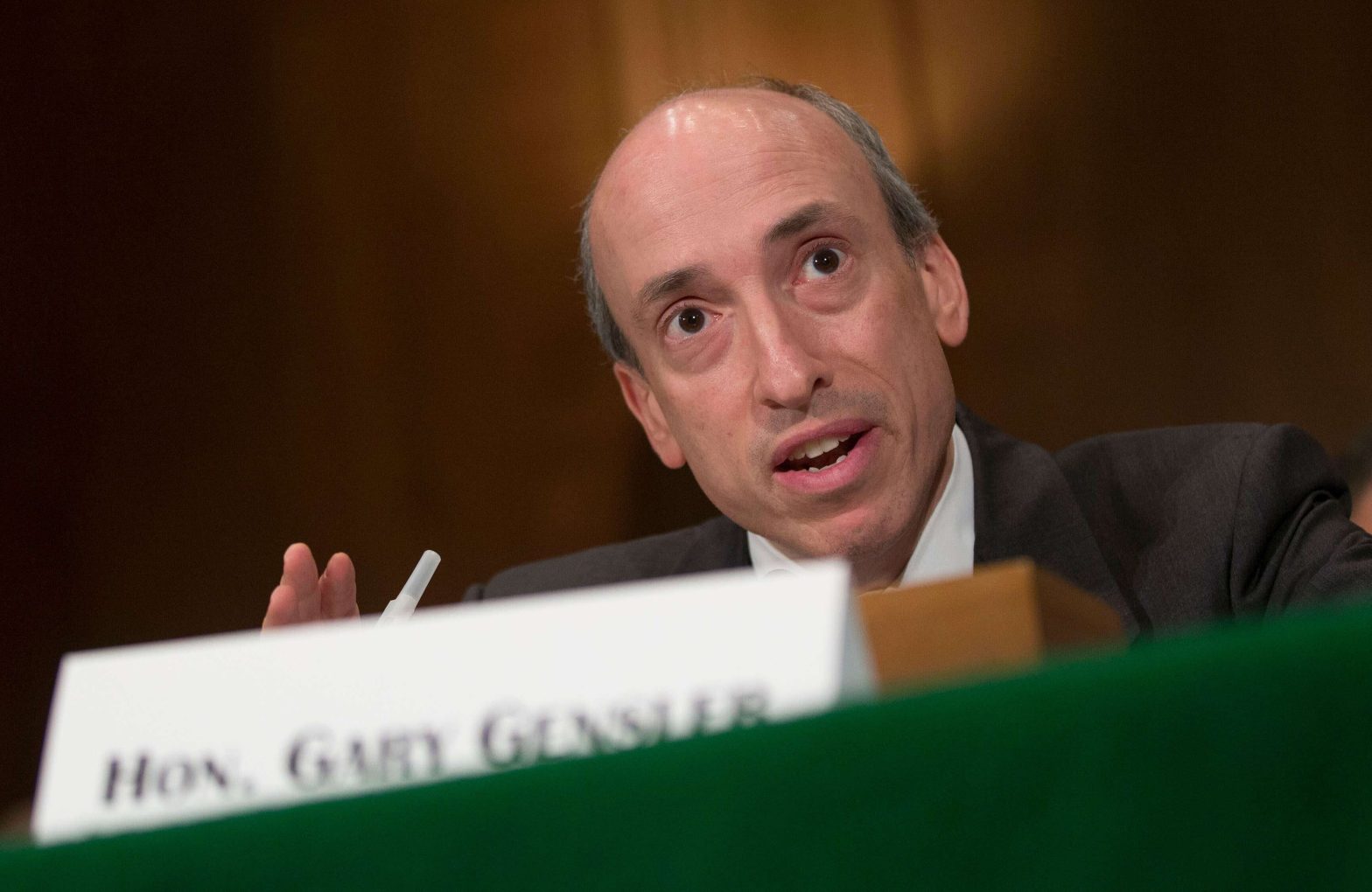
Coinbase said on September 8 that it will fund a lawsuit against the United States Treasury Department. The cryptocurrency exchange is sponsoring a lawsuit initiated by six individuals challenging Tornado Cash’s punishments. And on September 9, Gary Gensler, chairman of the Securities and Exchange Commission (SEC), indicated he was working closely with Congress to establish legislation to enhance cryptocurrency rules.

However, these two explanations are not mutually exclusive. The series of events demonstrates that governments are only reactive, as opposed to proactive, regarding decentralized money (DeFi).

In August, the Office of Foreign Assets Control (OFAC) sanctioned Tornado Cash. Since its formation in 2019, OFAC claims the smart contract mixer has been used to launder more than $7 billion worth of bitcoin, including over $455 million stolen by hackers with ties to North Korea.

Brian Armstrong, the CEO of Coinbase, said in a statement that the Treasury went too far by taking “the unprecedented action of punishing a whole technology as opposed to particular people.” Coinbase stated, in addition to the contention that the penalties exceeded the department’s power, that the measures:

Remove crypto users’ privacy and security, harm innocent individuals, and stifle innovation.

The next day, Gensler doubled down on his call for more regulation of the DeFi industry, asserting that crypto firms could not flourish without it. “No aspect of the cryptocurrency markets is incompatible with the securities regulations. Regardless of the underlying technology, investor protection is of the same importance.”

As is the case with these punishments, detaining individuals for utilizing services for legal and even altruistic purposes, as well as locking up developers for producing open-source technology that was not unlawful at the time it was created, seems Orwellian on a grand scale.

Treasury authorities have recently reversed course and clarified in instructions that “interacting with open-source code itself in a manner that does not entail an illegal transaction using Tornado Cash” is not forbidden. Copying the protocol’s code, publishing the code, and viewing the website are all permitted, according to the guidelines.

Categories
News

Do Kwon says he’s not on the run despite being missing

Do Kwon, the disgraced co-founder of the Terra ecosystem that had a spectacular failure in May, was the subject of an arrest order that was issued by South Korean prosecutors earlier this week. In addition, they requested that his passport be revoked by the finance ministry. It was assumed by the authorities hunting for Kwon that he was in Singapore; however, on Saturday, the police in Singapore said that Kwon is not in their country.

Do Kwon has weighed in on the discussion on Twitter at this point.

Kwon sent out the following tweet on Saturday afternoon: “I am not “on the run” or engaged in any other activity of a similar kind; for any government agency that has shown an interest in communicating, we are providing our full cooperation, and we do not have anything to conceal.

“We are now defending ourselves in a number of different jurisdictions; we have set an exceptionally high standard of integrity for ourselves, and we are looking forward to elucidating the truth over the course of the next several months.”

Source: Do Kwo Twitter

Kwon is being investigated for allegedly breaking regulations governing financial markets in South Korea, and he is also facing legal issues in numerous places.

The failure of the Terra ecosystem, which included both LUNA and the algorithmic stablecoin UST, sparked a widespread sale of cryptocurrencies, resulting in a price decline for Bitcoin and other leading digital assets. After a period of four months, the market has not emerged from the bitter crypto winter.

The failure of Terra also led to the high-profile failures of crypto lenders Celsius and Voyager, as well as the hedge fund Three Arrows Capital, and it has brought even more scrutiny on crypto investing and stablecoins from regulators. Reportedly, the SEC is investigating whether or not Kwon’s Terraform Labs violated federal investor protection rules with the way that it marketed UST.

Categories
News

U.S. DOJ launches national network of crypto crime prosecutors

The United States Department of Justice (DOJ) announced on Friday the formation of a statewide network of prosecutors known as the Digital Assets Coordinator (DAC) network, which seeks to fight the rising incidence of crypto-related crimes.

The DAC network is comprised of 150 chosen federal prosecutors from U.S. Attorneys’ offices around the nation and DOJ companies. Each network member will be referred to as a DAC.

National Cryptocurrency Enforcement Team, a division of the agency, directs the newly created network (NCET). Two other units collaborated with the DAC network to accomplish its objective.

The Computer Crime and Intellectual Property Section (CCIPS) and the Digital Currency Initiative of the Criminal Division and the Money Laundering and Asset Recovery Section (MLARS) are their respective names.

In a press release, the Department of Justice outlined the duties of the new watchdog, stating that it will serve as the “primary forum for prosecutors to obtain and disseminate specialized training, technical expertise, and guidance regarding the investigation and prosecution of digital asset crimes.”

The new regulatory organization will also be responsible for disseminating information on and addressing crypto industry developments, such as decentralized financing (DeFi), smart contracts, and platforms using crypto tokens. Moreover, the watchdog would be worried about their usage in criminal activity facilitation.

“The DAC Network will also promote understanding of the specific international concerns of the crypto ecosystem, such as the advantages of leveraging foreign partnerships and the difficulties of cross-border digital asset investigations,” the statement said.

The most recent DOJ move is part of a wider attempt by the Biden administration to promote the digital asset ecosystem via the introduction of a set of frameworks.

In its report, the agency advocated changes that would boost “law enforcement’s capacity to acquire evidence and commence prosecutions” as well as tighten legislation pertaining to digital assets and penalties for defaulters.

In the meanwhile, various regulatory authorities have taken measures to fight the proliferation of crypto crimes. As a significant tool for crypto hackers, the U.S. Treasury Department banned the use of the cryptocurrency mixer Tornado Cash in the nation last month.

Categories
Ethereum

Charles Hoskinson Criticizes Ethereum PoS

Charles Hoskinson, the inventor of IOG and the Cardano blockchain, came to Twitter to comment on a recent letter that was delivered by the Kraken exchange. His tweets focused on the contents of the letter. As stated in the announcement, unstaking of the Ethereum that has been locked there will not be authorized until the next Ethereum upgrade, which will be called Shanghai.

Hoskinson provided a screenshot of a message from Kraken’s support service in which it was stated that unstaking Ethers is now not allowed as a result of the implementation of the Merge. It adds that the only time that withdrawals of staked ETH will be allowed is when the next upgrade to ETH, which is on route to Shanghai, takes place.

According to the announcement, Shanghai will be ready for business about six months following the completion of The Merge. It also suggests that this is not a need or regulation exclusive to the Kraken exchange, but rather a characteristic of the Ethereum network as a whole in its entirety.

Charles Hoskinson did not highlight the fact that Cardano’s proof-of-stake technique is different from Ethereum’s; nevertheless, some of the comments did note this difference. As a response to those who were curious about it, they stated that staking on Cardano does not require stakers to transfer ADA from their wallets, and as a result, ADA may be unstaked at any time.

On September 15, Ethereum engineers carried out the Merge upgrade, which shifted Ethereum’s consensus mechanism from proof-of-work to proof-of-stake. Cardano is also getting ready to celebrate its big day, which is scheduled for September 22 and will occur in conjunction with the upgrade to the Vasil Hard Fork.

Categories
News

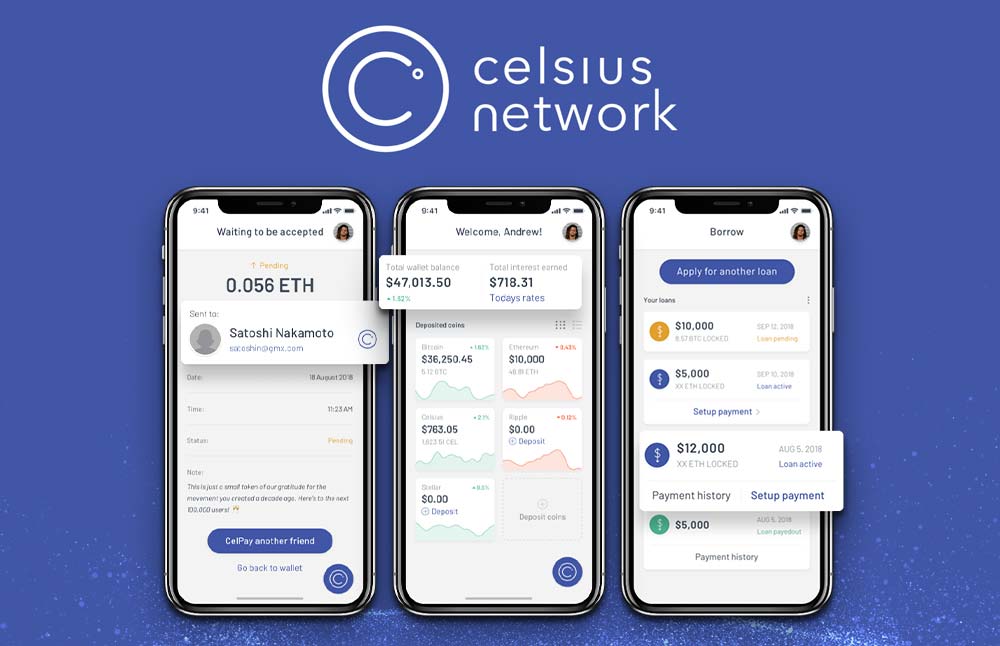
Celsius Network Wants to Sell Entire Stablecoin Holdings

In the latest phase of Celsius Network’s protracted liquidity problem, which first became public when the lender blocked client withdrawals in June, the insolvent crypto lender has requested permission to liquidate its stablecoin assets from the U.S. Bankruptcy Court for the Southern District of New York.

According to court documents published yesterday, Celsius has requested permission to sell its stablecoins in order to fund operations. Previously, on Wednesday, the corporation said in a coin report that it owes more than $2 billion in various cryptocurrencies; its stablecoin assets amount to around $23 million, held in 11 distinct stablecoins.

If the application is allowed by Chief U.S. Bankruptcy Judge Martin Glenn, Celsius will be able to continue its everyday activities “without court or creditor scrutiny.”

Paying back its creditors (also known as customers) is a distinct, continuing legal procedure, but Celsius claims in its petition that it’s in everyone’s best interest for the company to monetize its stablecoin holdings so that it may continue operating without securing further funding.

Stablecoins, unlike Bitcoin, Ethereum, and other popular cryptocurrencies, have a set value since they are tethered to fiat currencies. As a result, they provide a reasonably dependable source of crypto liquidity.

The current Chapter 11 bankruptcy proceedings of Celsius are a prominent example of what analysts have termed a “crypto winter” or “liquidity crisis.”

Since the collapse of the Terra ecosystem in May, which occurred when Terra’s dollar-pegged UST stablecoin lost its peg, a number of prominent cryptocurrency enterprises have declared bankruptcy. First Celsius followed suit in June, then Voyager and Three Arrows Capital in July.

Celsius said in a court statement on September 1 that it was attempting to restore consumer monies. The business promised to release roughly $50 million in cryptocurrency belonging to consumers who were part of the “custody” scheme, which consisted of accounts that held cryptocurrency but did not earn profits.

Categories
Blockchain

The SEC Could Get Stricter With Ethereum Now After Merge

After a congressional hearing on Thursday, Gary Gensler, head of the United States Securities and Exchange Commission (SEC), said that cryptocurrencies and exchanges that provide a staking option to users may pass the Howey test before the U.S. Supreme Court.

Regarding cryptocurrencies, the Howey test is a Supreme Court ruling that determines whether a coin or token fits under the category of a security or an investment contract. If an asset satisfies the Howey test, it is deemed to be a security, which means it will be subject to SEC scrutiny.

According to the Wall Street Journal, Gensler thinks that cryptocurrencies and crypto exchanges implementing the proof-of-stake (PoS) consensus mechanism might satisfy the Howey test, since users who stake their cryptocurrency for a certain time are rewarded “depending on the efforts of others.”

“From the standpoint of the currency, […] this is more evidence that, according to the Howey test, the investing public anticipates returns based on the labor of others,” he said.

Gensler said further that “an intermediary such as a crypto exchange” that provides these staking services to consumers is comparable to crypto lending platforms, with “some labeling adjustments” being the only difference. Remember that crypto lender BlockFi was fined $100 million by the SEC for violating a stipulated rule.

Coins such as Solana, Avalanche, and Cardano, among others, will be classified as securities and eventually be subject to the agency’s supervision if Gensler’s argument about crypto assets adopting the Proof-of-Stake mechanism is successful.

Ethereum will also fall into this category, since it has just adopted a Proof-of-Stake consensus process, dubbed “The Merge.” Before the Merge, Ethereum was not considered a security, as disclosed by Jay Clayton, the former head of the U.S. Securities and Exchange Commission.

With the latest switch, however, the second-largest cryptocurrency, which formerly used a proof-of-work (PoW) consensus process, has entered the group of assets being discussed by the current SEC chair.

Gensler stressed that he did not have a particular cryptocurrency in mind while making his comments.

Categories
Regulation

White House Releases Crypto Regulation Framework

Based on a previous executive order from President Biden, the White House has developed a framework for regulating crypto.

The framework, a collaborative effort by many government authorities, provides various ideas for regulating cryptocurrencies, combating crypto fraud, and standardizing the financial services sector.

Brian Deese, director of the National Economic Council, and Jake Sullivan, national security advisor, said in a joint statement that the rules will make the United States a worldwide leader in regulating digital assets, according to CNBC.

The framework outlines the potential of a Digital Dollar central bank digital currency (CBDC) initiative.

According to the paper, this invention might produce a more efficient payment system and pave the way for future technological advancements, among other advantages.

According to the framework, the CBDC “may enhance financial inclusion and fairness by facilitating access for a wide range of consumers.”

The framework voiced worry over digital assets and how they are interwoven with the conventional financial system, which might result in economic instability due to contagion.

The framework described how the collapse of Terra’s ecosystem illustrated how the sector may have an effect on the larger financial system.

According to the research, stablecoins should be subject to tighter laws, and the U.S. Treasury must “engage with financial institutions to strengthen their ability to detect and address cyber risks.”

The framework also outlined how harmful actors utilize crypto for criminal actions and the need of eradicating this behavior. In addition,

“Digital assets have aided the emergence of ransomware hackers, the selling of drugs and laundering of money by drug trafficking groups, and the financing of the actions of rogue regimes.”

Based on the framework:

“The President will determine whether to request that Congress alter the Bank Secrecy Act, anti-tip-off regulations, and laws against unlicensed money transmission so that they apply specifically to digital asset service providers, including digital asset exchanges and non-fungible token (NFT) platforms.”

A Treasury Department assessment also urged the need for more crypto industry rules.

Secretary of the Treasury Janet Yellen stated:

“The papers and their recommendations offer a solid framework for policymakers as we endeavor to maximize the potential advantages of digital assets while mitigating and minimizing the associated dangers.”

Categories
Bitcoin

Environmentalists Are Campaigning Against Bitcoin (BTC)

Many climate activists want Bitcoin to follow Ethereum’s lead and switch from proof-of-work to proof-of-stake.

In a Thursday notice following the Merge, the U.S.-based Environmental Working Group, or EWG, announced a $1-million campaign to urge Bitcoin (BTC) to go green instead of using PoW. Greenpeace has petitioned Fidelity Investments to switch to PoS.

Michael Brune, EWG campaign director, said other cryptocurrencies have used efficient consensus mechanisms for years. Bitcoin defies climate responsibility, becoming an outlier.

EWG VP of government affairs Scott Faber said that Merge was “good for the climate” because it reduced Ethereum’s energy needs. He cited a September report from the White House Office of Science and Technology Policy that concluded cryptocurrencies, specifically PoW staking, contributed to energy usage and greenhouse gas emissions, using more power in the U.S. than home computers.

Faber: “The Merge proves code can be changed.” The Merge illustrates that proof-of-work digital assets may switch to proof-of-stake and utilize less power. We hope Bitcoin follows Ethereum.”

Faber said authorities “shouldn’t stand by and hope for the best” but should act “soon” given the climate catastrophe.

agnostic We’re pro-crypto. We’re not against digital assets, but we’re worried about the increased power demand linked with proof-of-work assets and the resulting climate pollution.

Some industry heavyweights oppose switching the Bitcoin blockchain to PoS, citing security, decentralization, and U.S. regulators. In a blog post on Wednesday, MicroStrategy co-founder Michael Saylor said PoW was the “sole proven approach for building a digital commodity” like Bitcoin and that Bitcoin’s worldwide energy use was a “rounding mistake” that was “neither the issue nor the solution” to the climate crisis.

“Regulators and legal experts have recognized that Proof-of-Stake networks are likely securities, not commodities,” stated Saylor. PoS Crypto Securities may be useful for certain purposes, but not as global, open, fair money or a worldwide open settlement network. Proof of Stake network isn’t comparable to Bitcoin.

“Critics of Bitcoin’s energy consumption assess it by its ‘ingredients,’ not its value proposition […] A new innovation should address a social issue. PoW provides sound money supported by real-world energy. PoS can’t do it.”

Environmental organizations want the US to regulate crypto miners

Members of the House Energy and Commerce Committee requested in August that mining businesses disclose information on their energy use, energy sources, and renewable energy percentage. New York has proposed a two-year moratorium on PoW mining and would not renew existing companies’ licenses unless they use 100% renewable energy.

Categories
Regulation

Chinese recognizes Litecoin but not as legal currency

A Chinese court ruled that its citizens may continue to trade cryptocurrencies despite the country’s prohibition on digital asset services.

The Beijing Number One Intermediate People’s Court has ruled that potential investors are only permitted to trade cryptocurrencies as digital assets, not as a form of legal currency.

A Litecoin (LTC) loan with the prospect of collecting interest payments in other digital currencies led to the decision. According to the facts of the case, in 2015, cryptocurrency investor Zhai Wenjie gave his friend Ding Hao 50,000 LTC. Zhai Wenjie claimed that Ding Hao promised to pay 1,000 LTC in interest every month, but Ding Hao denied this.

Despite the court’s acknowledgment of the present Chinese ban on cryptocurrency transactions, the presiding judge highlighted that Litecoin could not be treated as a currency. The court states that LTC is not backed by any legal or financial framework and is not issued by a monetary authority.

The judge declared:

REAL ADMINISTRATIVE REGULATIONS AND CASES SHOW THAT WHILE OUR COUNTRY PROHIBITS THE CIRCULATION OF VIRTUAL CURRENCY AS CURRENCY AND DENIES IT MONETARY ASPECTS, THE VIRTUAL CURRENCY ITSELF IS A VIRTUAL PROPERTY PROTECTED BY THE LAW.

The court in the case underlined the lack of laws prohibiting the classification of Litecoin as an illegal asset. The court found that the complainant had shown proof that the defendant had borrowed a cryptocurrency and therefore ordered the defendant to repay Litecoin.

It is important to note that several Chinese regional courts have issued conflicting judgments on the management and exchange of digital assets. For instance, the Shanghai High People’s Court found that Bitcoin was protected by national law and had a certain economic value.

Categories
NFT

OpenSea will launch OpenRarity next week

OpenSea has made the announcement that they have created a rare protocol that goes by the name OpenRarity. The purpose of this protocol is to produce a math-based rarity ranking mechanism that is entirely transparent, open-source, and user-friendly. innovation as well as patronage. The introduction of OpenRarity on the NFT platform is scheduled for the following week.

OpenRarity is the name of the new rarity standard that OpenSea has introduced for its user community. A new rarity approach has been developed via a collaboration between OpenSea, PROOF Collective, Icy Tools, and Curio Tools. “verifiable, consistent, and mathematically-grounded method to rarity estimations” is what OpenRarity offers as its service to users.

Because participation in OpenRarity is voluntary, those who create collections and NFTs will have the ability to choose whether or not to participate. When developers opt into OpenRarity, they will have access to the API, which will result in this data being available to a greater number of consumers.

The next week will see the introduction of OpenRarity on this NFT marketplace.

In today’s world, the concepts of rarity and creator tiers or market value, which provide worth to characteristics or items regardless of their availability, are sometimes mistaken with one another. The rarity rankings used today are produced using closed-source code, and they often vary from one publisher to the next. It is common practice for tool providers to charge producers for rarity rankings, which makes it difficult for projects with fewer budgets to compete on an equal footing.

Because using OpenRarity is completely optional, developers of collections and NFTs are free to decide whether or not to implement it. If users choose to join in OpenRarity, developers will be granted access to the application programming interface (API), which will result in increased user access to this data.

Categories
Ethereum

The Ethereum Merge Has Been Successful!

On Thursday, September 15, 2022, the Ethereum network finally completed its long-awaited update, The Merge. The Ethereum mainnet execution layer and the Beacon Chain’s consensus layer were combined in the update.

This update marks Ethereum’s shift from its current proof-of-work (PoW) method to the more energy-efficient proof-of-stake (PoS) system. The network’s move to PoS heralds the start of a new era for the Ethereum blockchain and the cryptocurrency industry as a whole.

For the longest time, opponents have lambasted Ethereum for its high carbon footprint due to mining. However, with the shift, the network is predicted to use 99.95% less energy than it did prior.

The creators of Ethereum also said that the update would improve the network’s security and scalability. The Ethereum network supports a $60 billion ecosystem of decentralized applications (dApps), crypto exchanges, non-fungible token (NFT) markets, and other services.

The Merge has been in the works for some years, with Ethereum supporters and detractors alike anticipating the effect it would have on the larger digital asset sector. The Merge, according to Joseph Lubin, CEO of blockchain software technology firm ConsenSys, is the third-most important event in the crypto sector.

Lubin told Bloomberg that The Merge would be “enormously significant” for the whole industry while causing no difficulties for customers or developers on the network. Lubin likened the move to a routine software update that occurs automatically.

Ethereum’s inventor, Vitalik Buterin, praised the update with a tweet shortly after the Merge was completed.

Despite being a critical milestone for the Ethereum ecosystem, the Merge is simply the beginning of a lengthier process. After the Merge, Ethereum will only be roughly 55% complete, according to Vitalik.

Following the successful completion of the Merge, Ethereum will shortly embark on “the Surge, the Verge, the Purge, and the Splurge,” all of which are targeted at improving network efficiency.

Categories
Altcoins

Tesla New Product Can Only Be Bought With DOGE

According to a new product catalog that was published on Wednesday, electric car company Tesla is reportedly releasing a new Cyberwhistle that is modeled by the future Cybertruck series that it has been developing. This company wrote:

“The limited-edition Cyberwhistle is a luxury collectible that was designed to pay homage to Cybertruck. It is constructed of stainless steel with a medical grade and has a polished finish. The adaptability of the whistle is increased by the built-in attachment function that it has.”

All transactions are final, and delivery of the items is anticipated to take between four and six weeks. In addition to this, Tesla mandates that customers pay only in Dogecoin (DOGE). At the time of publishing, the price tag was set at 1,000 DOGE, which is around $60. The price shown in DOGE accounts for all applicable taxes as well as delivery costs.

According to Tesla, dogecoin is the only cryptocurrency that may presently be used to purchase certain products from the company. In the same way as with other sorts of transactions involving digital assets, any wrong payment amounts or asset types that are delivered to its address will not be returned or reversed. In order to purchase Tesla products, users need to have a Dogecoin wallet.

“It is up to the buyer to make sure that the correct amount of dogecoin is sent,” the buyer is responsible.

Elon Musk, the chief executive officer of Tesla, has been a vocal proponent of the meme currency, even going so far as to say that “Dogecoin is better than Bitcoin for payments” earlier this year. In May, SpaceX became the second company to follow Tesla’s lead and start taking Dogecoin as payment for items.

Following the filing of a $258 billion lawsuit that alleges a crypto Ponzi scheme using the token, the software entrepreneur who is worth a billion dollars has increased his support for the DOGE cryptocurrency. His statement was, “I will continue to promote Dogecoin.”

Categories
Blockchain

Huobi Signs A Blockchain Partnership With Busan

A global cryptocurrency exchange by the name of Huobi Global made the announcement on Wednesday that it will sign a memorandum of understanding with the city of Busan in South Korea.

The intent of this agreement is for Huobi Global to assist Busan in establishing its first cryptocurrency exchange and promoting its blockchain ecosystem.

The deal calls for Huobi to offer technical and infrastructural assistance for the city-backed cryptocurrency exchange, as well as to bring more than 1,500 blockchain industry employees from across the globe to the city of Busan. The details of the agreement were disclosed in a press release.

After a cooperation was announced between Binance and FTX only one month ago, Huobi Major has become the third global cryptocurrency exchange to join with Busan.

In order to better serve the needs of local blockchain firms and communities, the Korean headquarters of cryptocurrency exchange Huobi will move from Seoul to the port city of Busan.

Both Binance and FTX have stated that they would establish offices in Busan, with the intention of assisting the development of the city’s blockchain sector. On the other hand, none of the two departments is anticipated to launch its own regional cryptocurrency exchanges.

The city of Busan, which is the second largest in South Korea, has been designated as a “blockchain-free zone,” which means that blockchain developers are permitted to present their projects or ideas to the local administration, despite restrictions that prevent them from doing so elsewhere in Korea. This location has the potential to become a hub for business and commercial collaboration.

Categories
News

This is Celsius’s Plan To Reconstruct the Company

Tuesday’s New York Times article revealed that Alex Mashinsky, CEO of crypto lender Celsius Network, has presented strategies to assist the firm rebound from its bankruptcy.

In July, Celsius filed for Chapter 11 bankruptcy protection in the United States Bankruptcy Court for the Southern District of New York after stopping withdrawals and redemptions on its platform owing to the current bear market in cryptocurrencies.

According to the source, Mashinsky and Oren Blonstein, another Celsius executive, informed staff at a meeting on September 8 that they want to restructure the firm as a security provider.

A cryptocurrency custodian holds and safeguards digital assets on behalf of investors and charges fees for specific transaction types.

The executives mentioned that the project’s codename was “Kelvin,” after the temperature measurement unit.

Blonstein said, “If the cornerstone of our company is custody and our clients choose to bet elsewhere, exchange one asset for another, or take a loan against an asset as collateral, we should be able to charge a fee.”

During the discussion, Mashinsky mentioned many prominent global businesses, like Pepsi, that had previously declared bankruptcy but were able to recover.

Does it affect the flavor of Pepsi? Delta filed into bankruptcy. Do you no longer fly Delta since the company declared bankruptcy? “Are we destined for the trash heap of firms that were once great, almost great, or tremendous for a while but have since disappeared?” he questioned rhetorically.

Mashinsky further said that Celsius was collaborating with the Committee of Unsecured Creditors (U.C.C), a legal organization representing the company’s unsecured creditors, to develop a strategy to continue operations.

According to the article, creditors of the firm raised worry with Mashinsky’s continuing connection with Celsius and the “feasibility” of the Kelvin plan after the meeting.

Before being considered, Mashinsky’s suggested proposal to reconstruct Celsius as a custodian would need permission from the federal bankruptcy judge in charge of the company’s bankruptcy proceedings in New York, Martin Glenn.

Categories
NFT

New York Museum Gets into NFT

According to The Wall Street Journal, a New York museum the William S Paley Foundation wants to auction off over $70 million in art and use a portion of the revenues to fund non-fungible tokens (NFTs) and digital art.

Glen Lowry, the director of the New York Museum of Modern Art (MoMA), revealed the concept.

According to the article, the charity that has been in charge of William Paley’s estate since his death intends to sell 29 of his 81 works at MoMA and use the funds to extend MoMA’s digital footprints.

To sell these artworks, the charity has approached Sotheby’s auction house.

Some of the artworks that are expected to be auctioned are Pablo Picasso’s “Guitar on a Table” and Francis Bacon’s “Three Studies for a Portrait of Henrietta Moraes,” all of which are valued at least $55 million.

Other pieces, including those by Renoir and Rousseau, would be auctioned off. The deal is estimated to bring somewhere between $70 and $100 million.

The majority of the earnings will benefit the museum, although the foundation intends to spend a part on other charitable initiatives.

According to Lowry, part of the monies might be used to purchase NFTs. He also did not exclude out utilizing the cash to start a streaming channel, host virtual exhibitions, or cooperate with higher institutions to provide online courses.

Lowry stated the idea of purchasing NFTs:

“We’re aware that when we purchase items, we give an imprimatur, but that doesn’t imply we should shun the domain.”

MoMA made its first step into the NFT area in 2021 when it offered information from its collection to AI artist Refik Anadol for his NFT/digital art show, Unsupervised.

Categories
Markets

What CPI Inflation Data Is Doing to Crypto and Stocks Market

The crypto and stock markets are suffering after the September 13 inflation data revealed an unusually high headline inflation rate of 0.1% month-over-month growth.

Even as gas prices fell to multi-month lows and the housing market cooled, core inflation rose 0.6% month-over-month and is 8.3% year-over-year.

While market players and investors believed that the next Federal Reserve interest rate rise would be a hefty 0.75 basis points, many also maintained the informal belief that the CPI data for September 13 would be weaker than anticipated.

Given that the market has reportedly “priced in” a 0.75 basis point (bps) raise, crypto traders anticipated Bitcoin (BTC), Ether (ETH), and other altcoins would break out to the upside.

Obviously, the exact reverse has happened.

The Dow sank around 2.6%, while the S&P 500 and Nasdaq each fell 2.9% and 3.0%. Naturally, risky assets also declined, and the Bitcoin price surrendered more than fifty percent of its weekend gains with a 9% decline to $20,350. Ether’s price fell 7.29 percent to $1,590 with only one day till the Merge, and the majority of top 100 cryptocurrencies are now suffering single- to double-digit losses.

While Bitcoin’s weekend bounce from September 9 continued into the beginning of this week and the price climbed as high as $22,800, the prior research warned that BTC was trading near a significant overhead barrier.

As seen in the table below, the multi-month resistance from BTC’s all-time high held as the price fell below $22,400 when the market opened and the monthly CPI data was released to the media. In addition, the research highlighted the “successive bear flag continuance” pattern that has been in effect since the Bitcoin price peaked at $69,000 on November 10, 2021.

Unless some exceptionally positive Merge event occurs, the most probable trajectory for Bitcoin stays down.

Positively, despite the pullback on September 13, the Bitcoin price continues to oscillate within its 90-day range (pink box) between $25,400 and $17,200. From my perspective, there is nothing to see until the price falls below $18,500 or the annual low of $17,600.

Categories
Ethereum

CME Group has introduced Ethereum trading options

A few days before the expected Ethereum Merge, the top American derivatives exchange Chicago Mercantile Exchange (CME) Group announced on Monday the inclusion of Ethereum (Ether) trading options in its futures marketplace.

The launch, according to the business, is the result of growing investor interest in Ethereum as they wait for the network to switch to a Proof-of-Stakes (PoS) chain later this month.

The interest in Ether futures is increasing, according to Tim McCourt, the global head of stock and FX products at CME Group. Market players are anticipating the next Ethereum Merge, which may be a game-changing upgrade for one of the biggest cryptocurrency networks.

The new Ether futures product is expected to “provide one ether futures, scaled at 50 ether per contract, and based on the CME CF Ether-Dollar Reference Rate, which acts as a once-a-day reference rate for the U.S. dollar price of ether,” according to a report from the derivatives market last month.

Tim McCourt said that the most recent expansion of Ethereum options provides traders with crucial resources to obtain fresh Ethereum goods. The contracts also provide users greater freedom to control their exposure to Ether while waiting for the Merge, which is expected to heighten market volatility.

McCourt said that the products are made to go along with current Ether futures contracts, which have seen a sharp increase (43%) in their typical daily transaction volume over the last 12 months. In February 2021, the firm introduced support for Ethereum futures.

With Bitcoin (BTC) and other virtual assets, the CME Group, one of the top global derivative exchanges, began selling crypto-related futures derivative products in early 2017. These products let traders buy and sell their purchases at a certain date.

Leon Marshall, the global head of sales at Genesis, a digital asset trading firm, commented on the most recent development and expressed his opinion that the new futures contracts would assist its institutional clients and also operate as a hedge against inflation.

Categories
Regulation

A Look Into The Finalized Uruguay Crypto Bill

The government of Uruguay has proposed new legislation to the nation’s parliament that would establish the country’s central bank as the regulatory authority over the cryptocurrency market and speed up the process of regulating the crypto sector in the country.

The bill was introduced on September 5 with the intention of clarifying the regulatory framework for cryptocurrency assets in the country. The bill states that all companies that provide services related to digital assets, including initial coin offerings (ICOs), are subject to the supervision of the Superintendency of Financial Services (SSF), which is an entity that is affiliated with the central bank.

The anti-money laundering standards and best practices should also be followed by cryptocurrency exchanges, custody services, and any other financial services that are in any way related to these digital assets.

In addition, the paper included a definition for four distinct categories of digital assets, which were referred to as stablecoins, governance tokens, tradable assets, and debt tokens.

“The activity that is carried out using these instruments will be subject to the regulation and supervision of the Central Bank of Uruguay if it includes the exercise of financial intermediation or financial activity,”

To “establish a legitimate, legal, and safe use in businesses related to the production and commercialization of virtual currencies,” Uruguayan Senator Juan Sartori introduced a draft bill to regulate cryptocurrency and enable businesses to accept digital payments last year. The bill’s goal was to “establish a legitimate, legal, and safe use in business transactions.”

This new trend is connected to an ongoing wave of legislative or regulatory initiatives that are being undertaken by governments or lawmakers in Latin American countries. According to recent reports, Brazil’s Securities and Exchange Commission is working on a plan to amend the country’s legislative framework so that tokens may be recognized as digital assets or securities.

In August, the president of Paraguay used his veto power on a law that would have recognized the mining of cryptocurrencies as an industrial activity. He did so on the grounds that the huge amount of energy required for mining may stymie the growth of a viable national sector.

Categories
News

BitGo Has Sued Galaxy Digital

The digital asset custodian BitGo has initiated legal action against the cryptocurrency investment firm Galaxy Digital. This action is in accordance with BitGo’s previously stated intention to pursue more than one hundred million dollars in damages following Galaxy’s decision to abandon its plan to acquire BitGo.

According to a tweet sent out by the firm this morning, BitGo filed the lawsuit late on Monday. The company had previously stated in August that it would do exactly that, shortly after Galaxy Digital terminated the deal citing “BitGo’s failure to deliver, by July 31, 2022, audited financial statements for 2021 that comply with the requirements of our agreement.” This was after the company had previously stated in August that it would do exactly that.

According to a tweet published by the company today, “Late yesterday, BitGo filed a lawsuit against Galaxy Digital seeking damages of more than $100 million arising from Galaxy’s improper repudiation and intentional breach of its merger agreement with BitGo.” The lawsuit was prompted by Galaxy’s improper repudiation and intentional breach of its merger agreement with BitGo.

Attorney Brian Timmons of the firm Quinn Emanuel said that the case was sealed to provide the business the opportunity to redact any potentially sensitive material in the coming days. BitGo stated that it filed the action in Delaware’s Chancery Court. According to the announcement made by the corporation, it will likely be accessible to users not long after the close of business on Thursday.

Galaxy Digital has revealed that it intends to complete the acquisition of BitGo in May 2021 in a transaction valued at $1.2 billion and comprised of cash and shares. However, more than a year later, the transaction still hadn’t been finalized, which raised suspicions in advance of Galaxy’s statement in the middle of August that it would be canceling the arrangement.

BitGo said that Galaxy Digital was obligated to pay a termination fee of $100 million, while Galaxy Digital stated that it would not be responsible for any fees associated with withdrawing from the arrangement. Galaxy Digital, which was established by billionaire CEO Mike Novogratz, recently reported a loss of $554 million for the second quarter of 2022. This news came one week before the company stated that it would no longer be acquiring BitGo.

Categories
Bitcoin

Fidelity is thinking about letting individual investors buy Bitcoin

According to The Wall Street Journal, Fidelity consumers may soon be able to purchase Bitcoin using the company’s brokerage platform.

According to the newspaper, Boston-based investment firm Fidelity, which oversees over 34.4 million retail accounts and is one of the world’s largest fund managers, is considering offering Bitcoin (BTC) to its individual customers.

According to the Journal, the corporation has not yet revealed its intentions with its clientele. Fidelity provides a smartphone app that enables retail clients to manage their assets.

Fidelity did not react quickly to Decrypt’s request for comment. However, Galaxy Digital CEO Mike Novogratz said earlier today at the SALT summit in New York that he had heard reports about the company’s ambitions.

“A tiny bird in my ear informed me Fidelity is going to transfer its retail clients into cryptocurrency soon enough,” he added. “I’m hoping that bird is correct.”

Fidelity’s rumored ambitions are linked to those previously disclosed by major investment companies Franklin Templeton and BlackRock Solutions as part of a “continuous march of institutional acceptance of Bitcoin,” he said.

Fidelity has been dabbling with the realm of cryptocurrency for some time. In April, it was announced that Fidelity, America’s biggest supplier of 401(k) savings accounts, will develop a program that would enable employees to invest 20% of their retirement money in Bitcoin.

This year, the business also introduced two new exchange-traded funds (ETFs) that provide customers with exposure to firms in the crypto and metaverse sectors. It has also applied to the SEC to develop a Bitcoin ETF, which, if allowed, would provide consumers with direct exposure to the digital currency.

Fidelity global macro director Jurrien Timmer said last year that the largest cryptocurrency by market capitalization has a “unique edge over gold.”

“Bitcoin is gaining legitimacy, and as a digital analog of gold with better convexity, my view is that bitcoin will steal more market share from gold over time,” he added.

Categories
Blockchain

Near Foundation has launched a new $100m investment fund

The NEAR Foundation, a non-profit organization based in Switzerland, has made an announcement on the launch of an innovation center and venture capital fund for web3.

Caerus Ventures, a recently established investment business, will work in conjunction with the NEAR Foundation, a nonprofit organization that promotes the administration and growth of the NEAR protocol, to carry out the program.

The most recent step in NEAR’s growth comes at the same time as the platform is preparing to launch its most important event of the year, which will be called NEAR CON BETA and will take place in Lisbon, the capital of Portugal, from September 11 to September 14, 2022.

The inaugural closing of the venture capital fund is set to take place with $50 million. During seed to Series A investment rounds, it will make an effort to raise a total of one hundred million dollars.

The first investment made by Caerus will be in the Venture Lab, which will concentrate on bringing together innovators, talented individuals, and franchise owners in order to develop the next generation of web3 platforms and apps.

Marieke Flament, chief executive officer of the NEAR Foundation, made the following statement:

“The Lab will give cross-functional assistance to portfolio initiatives and will be backed by advisory partners who will be announced by the end of this year,” says the description of what the Lab will do.

Caerus was founded by Nathan Pillai, an executive who had spent the previous five years working at IMG/Endeavor, where he oversaw the mergers and acquisitions process and the development of new ventures for entertainment companies including Larry Ellison’s SailGP.

Pillai expressed his hope that the company will be a catalyst for innovation that will unleash a new generation of platforms, applications, and services across the fields of sport, music, film, television, fashion, art, and gaming that provide greater equity for both consumers and talent. This hope was expressed in a statement that was released to the press.

Categories
Bitcoin

Bitcoin (BTC) Price Analysis 09/12

Bitcoin entered the trend charts during the previous 14 hours after retesting levels it hadn’t seen in over a month. Many traders are optimistic about price performance in the next few days as a result of the move.

One expert saw this as a component of a larger picture indicating that the bear market is coming to an end. Due to the most recent achievement, BTC has now seen six straight days of sustained price gains.

The rally began on Wednesday when the apex coin retested a level it hadn’t seen in almost 60 days. It is reasonable to conclude that the bulls defended the $18,700 level, which produced additional results. For example, the apex coin saw its greatest spike on Friday, closing with profits over 10%.

It began at $19,300 and finished at $21,300, marking the first time in more than fourteen days that the $21,000 resistance was challenged. Since then, the biggest cryptocurrency by market cap has seen small gains building up to the most recent milestone.

The derivative market is not as active as it was before. The present number of open interests is one indicator of this. The current trade volume is $30 billion, down from $40 billion in prior months.

Nonetheless, REKT received $188 million in the previous 24 hours. Short holdings accounted for 65% of total liquidation. Several indications are pointing to more price changes in reaction to the rise to $22,4o0.

According to the Pivot Point Standard, bitcoin is likely to continue to rise. Its present value suggests that it is trading above its pivot point. Another positive indication is the Relative Strength Index.

Since Wednesday, the measure has been steadily rising and is now at 60. Moving Average Convergence Divergence is also rising. The 12-day EMA, for example, is ready to break out, while the 26-day EMA is gradually reducing the distance.

Categories
Blockchain

Starbucks Will Launch a Web3 Experience Later This Year

Starbucks today unveiled Starbucks Odyssey, which will be available later this year and marks the coffee company’s first step into creating using web3 technology. 

The web3 experience blends the company’s popular Starbucks Incentives loyalty program with an NFT platform, enabling users to earn and spend digital assets that unlock special experiences and rewards.

The business has previously hinted at its web3 intentions to investors, stating that it expected this new experience to expand on the existing Starbucks Rewards program, in which consumers earn “stars” that can be redeemed for advantages such as free beverages. 

Starbucks Odyssey is envisioned as a means for its most committed consumers to gain a greater range of incentives while also developing community.

Starbucks enlisted the expertise of Adam Brotman, the creator of its Mobile Order & Pay system and the Starbucks app, as a special adviser to help develop the project. Brotman’s team worked on Starbucks Odyssey alongside the Seattle coffee chain’s own marketing, loyalty, and technology teams. He is now the co-founder of Forum3, a web3 loyalty firm.

Starbucks has been researching blockchain technology for many years, but has just been active in this initiative for around six months, according to Starbucks CMO Brady Brewer. 

He claims that the corporation wants to engage in this sector, but not as a “stunt” side project, as many do. Rather, it sought to find a way to leverage technology to improve its operations and extend its current loyalty program.

It chose to make NFTs the passes that provide admission to this digital community, but it is purposefully concealing the nature of the technology behind the experience in order to attract more users — including non-technical individuals — to the web3 platform.

Users gain NFTs in Odyssey by completing tasks, which may involve a real-world action such as “taste three items on the espresso menu.” To have their transaction counted towards the Starbuck Odyssey challenge, the user would need to display their barcode at checkout, just as they would if they were earning stars. The corporation is currently deciding on the combination of games, challenges, and quests that will be available at launch.

Categories
Bitcoin

Jay Z and Jack Dorsey Airdrop $10k To Bitcoin Academy Attendees

The first session of The Bitcoin Academy, a training school founded by Jack Dorsey and Jay Z (Shawn Carter), has come to a successful conclusion. After a period of 12 weeks, the project was completed by distributing an amount equal to one thousand dollars in Bitcoin through an airdrop to each participant who had elected to accept a grant.

According to Business Insider, both Jack Dorsey and Jay-Z personally sponsored the whole endeavor, including the most recent airdrop. According to an email sent by Jay’s mother, the session was attended by more than 350 inhabitants of the Marcy community; however, it is unknown how many people were really given the airdrop.

“The people that live in Marcy were present. “What is equally important is providing the necessary resources, such as food, childcare, gadgets, internet connection, dedicated personnel, and instructors, so that as many people as possible may participate in person and online,” she added.

Residents of the Marcy Houses in New York, where Jay Z spent his childhood, were scheduled to participate in an on-site program called The Bitcoin Academy at the beginning of June.

This program was designed to provide participants with information and resources related to bitcoin. The event took place beginning on the 22nd of June and ending on the 7th of September.
The organizers of the event were upfront about the fact that attendees would get free smartphones, MiFi devices, and data subscriptions for a full year when they made the announcement at the time.

People decided to enroll in the program for a variety of reasons, including the fact that it offered free child care as one of its benefits. On the other hand, the presence of Bitcoin came as a complete shock at the eleventh hour.

Categories
Ethereum

On-chain data shows Ethereum being utilized as a value storage

On-chain data indicates that HODLing is the predominant activity on the Ethereum network as the merging draws near. Coins owned by Ethereum investors are evolving to reveal a greater proportion of hodlers who are averse to selling.

Compared to Bitcoin, where 80% of HODLers have held for the same time period, just slightly less than 60% of investors in the Ethereum ecosystem have held for longer.

However, we are now seeing a rise among ETH 7-year holders (dark blue). The first 7-year holders started to emerge on July 28 and currently possess more than 2% of the supply.

Coins that haven’t moved in 7 years are probably genesis coins that have never moved, given that Ethereum mined its first block in July 2015. As HODLers who joined the ecosystem during the 2017 bull run begin to emerge, it is anticipated that the number of 7-year HODLers will keep increasing over time.

Ethereum is less often referred to be a store of value than Bitcoin. On-chain data, however, indicates that 2% of Ethereum owners think it may be. This argument gains support since ETH could experience deflation after The Merge, depending on how the network behaves.

Ethereum may experience deflation of 4%, which is about 6% lower than Bitcoin’s inherent inflation rate of 1.7%. However, Ethereum has widespread use, thus a shortage of ETH owing to investor holdings might have an effect on the network’s functionality.

A tactic used to promote spending is inflation. There won’t be much of a need to conduct transactions on the network if it goes into deflation.
Additionally, by mid-2020, there were about 32 million ETH on exchanges. However, barely 20 million ETH remained two years later. To comprehend supply/demand dynamics, it is important to understand long-term trends such as the number of long-term HODLers, inflation rates, and supply on exchanges.

Categories
NFT

Japan Honors NFT for Technological Advancements

Local governments in Japan that have shown exceptional skill in deploying digital technology to handle local issues and develop the digital economy will be eligible to receive non-fungible tokens (NFTs) from the Japanese central government as an extra prize. A total of seven mayors were recognized by the NFT for their contributions in a variety of areas.

According to the report that was published on CoinPost, the tokens, which were distributed during the event known as “Summer Digi Denkoshien 2022,” basically function as “digital certificates” of achievement. The chief cabinet secretary of Japan, Hirokazu Matsuno, served as the master of ceremonies at the prize ceremony. The Prime Minister of the country, Fumio Kishida, was also present at the event.

Tokens are a good illustration of this concept since their production was enabled by the Proof of Attendance Protocol (POAP) blockchain network. On the xDai chain, POAP-style NFTs are often produced, and their primary use is within the context of special events. It is not possible to trade NFTs that have been issued by the Secretariat on secondary markets.

Tech assistance was provided for the offering by a number of companies, including bitFlyer Holdings, a cryptocurrency firm located in Tokyo, as well as IndieSquare, TREE Digital Studio, and Tomonari Kougei.

According to Kishida, the government is working to adopt institutional changes in an effort to cultivate an environment that “accommodates the establishment of Web 3-related infrastructure.” In addition, he emphasized that the development of innovations related to NFTs and the metaverse would be encouraged by Web3 and contribute to the progress of the country.

The statement was made after the publication of the white paper titled “Digital Japan 2022,” which was made available earlier this year by the unit of the ruling Liberal Democratic Party responsible for promoting the digital society and praising the NFT industry as a growth engine of the Web3 movement. The white paper praised the NFT industry as a growth engine of the Web3 movement.

Categories
Ethereum

Google Adds A Countdown For Ethereum Merge

A “doodle” on the world’s most popular website is displaying a countdown to the Ethereum merge as a show of support.

The news comes as Ethereum’s long-awaited switch to a less energy-intensive proof of stake method of transaction validation is only 3.5 days away, according to Google’s calculations.

When you search for “Ethereum merge” in Google’s search engine, you will now see a countdown clock, the difficulty rate (which is the number of times a miner has to compute the hashes in order to record a block of transactions), the hash rate (which is the total combined computing power being utilized on the global network), and a cartoon of two joyful bears approaching one other with their arms extended.

If everything goes according to plan, the two bears will soon merge into a single panda, which has acted as the transition’s unofficial symbol. The appearance of the doodle indicates that even the largest technology companies are anticipating the merger.

One of the first persons to promote the doodle on Twitter was a Google Web3 team developer.

He highlighted that the rapid implementation of capabilities connected to Google’s search engine is unusual.

Google staff wanted to build an “interesting easter egg” for Ethereum’s upcoming shift from proof-of-work to proof-of-stake, according to Padilla, who said that the concept was proposed within the last few weeks. The concept originated inside the company’s Web3 community conversations.

In response to a Twitter user, Padilla said that the data is being pulled in real-time straight from Ethereum’s network via Google-hosted nodes.

The company’s involvement in Web3 has increased, and it now offers blockchain infrastructure services using Google Cloud. The firm cites Nansen, Dapper Labs, and Solana as some of its business partners on the website dedicated to its Web3 products. In May, Google announced the formation of a Web3 team.

Categories
Blockchain

Crypto Scams Are Growing on Social Media

Swindlers have been improving their imaginative capacities on a daily basis. Their schemes, which have been created with the utmost care, make it impossible for average people to recognize the deception that is being perpetrated.

One of these companies, which was established in Italy, was recently proven to be responsible for defrauding numerous people through social media. These complex cons consist of a number of phases that are designed to trick individuals.

In most cases, it would start with breaking into an account that people respect and rely on. They publish fabricated proof on this account, claiming that users have won significant sums of money in a very short length of time.

Because the screenshots and conversations are supplied by a reliable source, the account followers would then be fascinated and willing to make fast money because they are providing evidence that the source is trustworthy.

They are then sent an invitation to log in to the account of the Bitcoin mining firm that supposedly made them the money referred to in the captions.

Although this step may seem to be harmless, it really gives con artists access to crucial information when the user clicks on their account name. These schemes are far more innovative than the conventional cons, which need you to transfer money into a bank account, due to the fact that they do not require you to do so.

One such intricate Ponzi scam was known as a non-fungible token (NFT), which promised to provide a 10% return on funds invested via the use of arbitrage procedures.

This business operated for a period of four years, during which time it defrauded about 6,000 customers. The amount of money lost by the victims ranged from ten thousand to three hundred thousand euros.

This well-crafted Ponzi scam netted the company’s founders anything from 40 million to 100 million euros in profits. Two of the three original founders have gone into hiding, while the remaining founder is doing all they can to defend themselves in court. He asserts that he was unaware of the plan and that he joined the firm at a later time.

Categories
Blockchain

FTX Will Acquire A 30% Stake In SkyBridge

According to recent reports, FTX will be purchasing a significant share in the hedge fund SkyBridge managed by Anthony Scaramucci via its venture arm.

Despite the volatility of the market, which has resulted in significant losses for many companies participating in the cryptocurrency business, FTX continues to invest money in these companies. The most recent business for which the SBF-led group will purchase a significant shareholding is SkyBridge Capital.

CNBC broke the news on September 9 that FTX Ventures will purchase a thirty percent ownership share in SkyBridge Capital. In the afternoon of September 9, the leaders of both firms, Sam Bankman-Fried and Anthony Scaramucci, are planning to provide further details about the impending merger.

According to the reports, SkyBridge would utilize around $40 million of the assets to pay off prior investors and repair its financial sheet. Due to the company’s significant exposure to the cryptocurrency industry, it began to have financial difficulties shortly after the market for cryptocurrencies saw a dramatic decline a few months ago.

Because of this, and as was previously reported, a significant number of investors pulled their money out of the company’s flagship fund as well as other business products.

SkyBridge was compelled to put a stop to withdrawals by a fund that legitimately had exposure to the FTX. Later on, Scaramucci said that he may have made an error in judgment by placing such a significant wager on bitcoin and the industry as a whole.

Despite the fact that FTX has shown interest in purchasing failing firms such as BlockFi and Voyager Digital, the company has been on a buying/investing tear over the course of the previous several months.

Categories
News

Google Cloud Becomes a Validator for the Ronin Network

Friday, Sky Mavis, the parent company of the popular play-to-earn game Axie Infinity, revealed that Google Cloud is joining its Ronin Network as a validator and contributing to the security of the bridge.

Google Cloud, a Google subsidiary, joined Axie Infinity’s Ronin network as its 18th validator, bringing the total number of network validators closer to 21. Google Cloud has now joined the other 17 nodes, which include Animoca Brands, Nansen, and Delphi Digital, among others.

As a network validator, Google Cloud will participate in the gaming community’s governance process. This means that the cloud computing service provider will be able to validate transactions and participate in community decision-making.

Sky Mavis said that Google Cloud would be responsible for monitoring the uptimes of validators.

The combined efforts of Sky Mavis and Google Cloud are aimed at enhancing the security of the Ronin network and creating a realm of interconnected, engaging, and gratifying game experiences.

After acquiring unauthorized access to five of the nine current validator nodes, malicious actors stole $625 million from the Ronin network by exploiting a vulnerability in the network.

After the assault, Ronin bridge was closed, however, it reopened after some time, allowing users to retrieve their cash. Sky Mavis also begun to include more validators and created allowances for the addition of new non-validating nodes.

Notably, Google Cloud’s participation in the Web 3 ecosystem is not new, as Google claimed in a previous report that its subsidiary, Google Cloud, would promote the development of services required by blockchain game makers.

Aleksander Larsen, the co-founder of Sky Mavis, commented on the current development by stating that Google Cloud has been working with his firm since 2020.

He then elaborated on the characteristics of Google Cloud that appeal to Sky Mavis, stating that Google Cloud, which is a respected contributor to the developer community and has significant technical knowledge in blockchain infrastructure and operating validators, was a logical option.

Categories
Bitcoin

MicroStrategy Wants to Buy Even More Bitcoin

MicroStategy (MSTR), a publicly listed software business, is already the single biggest corporate holder of Bitcoin, with over 129,000 BTC in its coffers. Now, only one month after its flamboyant CEO Michael Saylor resigned and one week after the Washington D.C. Attorney General sued the firm and Saylor for potential tax evasion, the corporation wants to purchase more.

MicroStrategy said in a prospectus filed with the SEC on Friday that it has reached an agreement with investment bank Cowen & Co. to sell up to $500 million in shares of its Class A common stock.

In the filing, the business said, “We may utilize the net proceeds from this offering to buy further Bitcoin.” According to CoinMarketCap statistics, the business warned of Bitcoin’s volatility and huge price fluctuations, which saw the biggest cryptocurrency by market cap trade below $20,000 earlier this week, down from an all-time high of $68,789 in November 2021.

“Future variations in Bitcoin trading prices may result in us converting Bitcoin bought with the net proceeds of this offering into cash with a value much less than the net proceeds of this offering,” the business added.

Under Saylor’s leadership, the business software firm has amassed a substantial Bitcoin treasury of 129,699 BTC, which is now valued more than $2.7 billion and which the company intends to maintain for the long term.

Last month, MicroStrategy declared a $917.8 million non-cash digital impairment charge in the second quarter of 2022. That same month, Saylor stepped down as CEO, becoming executive chairman.

MicroStategy said in the prospectus that it has no intentions to trade or enter into derivative contracts with its Bitcoin ownership, but that it may sell Bitcoin when required to generate cash for “treasury management and other general business reasons.”

“We have not set a precise number of Bitcoin holdings,” the company said. “We will continue to watch market circumstances in order to determine if we should arrange debt or equity financings to buy more Bitcoin.”

Categories
News

Ford Motor Company Enters the Metaverse

In preparation for its entry into the world of nonfungible tokens (NFTs) and the Metaverse, the American manufacturer Ford Motor Company has submitted 19 trademark applications covering its primary automotive brands. These applications span the company’s entire lineup of vehicles.

A trademark attorney who is licensed by the United States Patent and Trade Office (USPTO) named Mike Kondoudis revealed in a tweet on Wednesday that the company had submitted a total of 19 trademark applications covering its car brands, some of which include Mustang, Bronco, Lincoln, Explorer, and F-150 Lightning, amongst others. The applications were made public by the USPTO.

The trademark applications include a proposed online marketplace for NFTs, as well as virtual copies of the company’s automobiles, trucks, vans, and sport utility vehicles (SUVs), as well as clothing.

According to documents filed with the United States Patent and Trademark Office (USPTO) by the automobile manufacturer on September 2, Ford plans to develop digital photographs of its automobiles, including SUVs, trucks, and vans, which will be confirmed by NFTs.

The company also revealed its plans for “downloadable virtual goods” or “computer programs,” which would be used in “online virtual worlds” such as virtual and augmented reality trade exhibitions. These “downloadable virtual goods” or “computer programs” would include clothing, accessories, and parts for vehicles.

In addition, there are plans to build an online marketplace for “others’ digital artwork” as well as “online retail store services including non-fungible tokens (NFTs),” as well as “digital collectibles.”

It’s not only Ford that’s getting into the automotive business in the Metaverse. Several luxury automobile manufacturers, notably Bentley and Lamborghini, have already introduced NFT collections. However, other automobile manufacturers, including Nissan, Toyota, and Hyundai, have shown interest in participating in the rapidly growing Metaverse sector.

Categories
Blockchain

Arthur Hayes’s Thoughts on Ethereum Merge

Arthur Hayes, the co-founder of BitMEX, feels that further attempts to maintain the Ethereum Proof-of-Work (PoW) beyond the “Merge” event would be mostly futile. According to the crypto industry veteran, an Ethereum PoW chain would “have no users” and will suffer the same fate as previous Bitcoin splits.

Arthur Hayes discussed the Merge and other important Ethereum network concerns in a recent Unchained podcast episode. When asked whether he expected a PoW Ethereum version to exist after the merge, the BitMEX co-founder pointed out that Ethereum’s value derives from its users.

The majority of these users are not “technologically aware” and are uninterested in the underlying consensus process. Furthermore, the “bulk of service providers and large dApps on Ethereum are moving,” making it unlikely that users who remain would be able to engage with any apps.

Hayes cited Tether and Circle’s backing for the PoS network as proof that value would swiftly shift away from the older Ethereum version. As a result, he claims, “They [ETH PoW proponents] will have no users.”

Hayes compared the possible Ethereum PoW chain to recent Bitcoin splits, many of which have underperformed.

“A similar kind of study may be performed on Bitcoin Cash (BCH) and all of the numerous Bitcoin forks that occurred during the blocksize dispute in 2017.” “How many of them have outperformed the assets they were meant to replace in terms of price performance?” he said.

Bitcoin Cash (BCH), the most valued Bitcoin split, now has a $2.5 billion market cap, which is less than 1% of Bitcoin’s roughly $400 billion worth.

“If it has a value over zero, it’s essentially free money,” the BitMEX co-founder remarked of his trading strategy for possible Ethereum PoW currencies. “I’ll attempt to sell it at a very good moment,” he continued. Maybe they’ll come out right now, maybe not. The specifics will be determined by the hash rate, price on various exchanges, derivatives, and mispricing.”

The Ethereum “Merge” is already in progress. On September 6, the first step, codenamed “Bellatrix,” took place. The last stage, dubbed “Paris,” is scheduled for September 15-20.

Categories
News

Mark Cuban and Jackson Palmer Butt Heads

Jackson Palmer, co-creator of crypto Dogecoin and no-coiner, feels entrepreneur and “Shark Tank” presenter Mark Cuban has “drink the Kool-Aid” when it comes to cryptocurrencies.

Palmer told Insider in an interview that bitcoin is a “grift,” and that although Cuban isn’t a paid influencer or propagandist, he has been “indoctrinated” by the world of crypto and Web3.

Palmer described crypto investors like as Cuban and a16z co-founder Marc Andreessen as “actively seeing it as a continuous means to extract wealth.”

“It’s not like they’ve been paid once to promote something—that it’s they want to be in charge or have ownership or a huge part in this sort of extractive, gritty cryptocurrency system,” Palmer said.

Cuban dismissed Palmer’s remarks, telling Decrypt through email that “everyone may say anything they want.” I’m still a big admirer of cryptocurrency.”

“The tricky thing is separating the speculation from the fundamental value,” Cuban remarked. “Some folks get swept up in the speculating.” I don’t.”

Cuban said on the podcast “The Problem with Jon Stewart” in January that he is substantially involved in bitcoin, with 80% of his portfolio engaged in crypto-related companies outside of “Shark Tank.”

“It’s definitely declined since then,” Cuban told Decrypt, but he’s “slowed down” a lot of his other investing activities to concentrate on his pharmacy firm Cost Plus Drugs.

The wealthy entrepreneur has also invested in other NFT firms in the past year, including marketplaces Nifty’s and SuperRare, the Ethereum-based game Axie Infinity, and NFT analytics company CryptoSlam.

NFTs are blockchain-based tokens used to demonstrate ownership of digital assets. The market for NFT has grown into a multibillion-dollar business in the previous two years, albeit sales of these assets have slowed significantly in recent months.

Cuban got entangled in an NFT dispute in February when the @NFT Instagram account—managed by a firm he’d invested in—was suspended after charges of uploading sponsored material promoting NFT projects without declaring the posts as advertising.

Categories
News

Chainalysis Takes Back Stolen $30M From North Korea Hackers

Chainalysis, a blockchain research business, reported on Thursday that it has recovered more than $30 million associated with Axie Infinity’s Ronin network attack, which made news in late March.

Chainalysis’ senior head of investigations, Erin Plante, released the facts at the current Axie Infinity conference in Spain, saying:

“With the assistance of law enforcement and top cryptocurrency groups, more than $30 million in bitcoin stolen by North Korean-linked hackers has been recovered.” This is the first time bitcoin stolen by a North Korean cyber outfit has been captured, and we are convinced that it will not be the last.”

According to current trade values, the recovered monies equaled around 10% of the total stolen cash, according to Plante.

A month after the vulnerability, the crypto exchange Binance assisted in the recovery of $5.8 million in money associated with the breach. Binance CEO Changpeng Zhao stated that his organization was able to recover the assets despite the hackers’ use of 86 separate accounts to send payments to the exchange.

It is also worth noting that the breach was purportedly carried out by the famed North Korean hacker outfit, Lazarus. The conclusion was reached when the United States Treasury Department determined that the Ethereum address used to carry out the attack was the same as the address of the notorious hacker organization.

The agency sanctioned Tornado Cash, the crypto mixer used by the hacking gang to launder the funds, last month.

In March, the hacker gang compromised five of the nine private keys held by the Ronin network’s transaction validators. The crew discovered the bridge assault just six days later. However, at the time, the project had suffered a $625 million financial loss, making it the greatest hack of the year.

Three months after it had been closed, the company behind the Ronin network and the popular play-to-earn game Sky Mavis restored the bridge in June. Users were able to retrieve their cash after it was reopened.

Categories
Blockchain

Does Crypto Affect Climate Change?

The White House Office of Science and Technology Policy (OSTP) has issued a report on the environmental and energy effect of cryptocurrency assets in the United States, concluding that crypto contributes significantly to energy consumption and greenhouse gas (GHG) emissions. In response, it suggests monitoring and control.

The study, issued on September 8, was the most recent result of US President Joe Biden’s March executive order (EO) on the creation of digital assets.

The EO tasked the OSTP with investigating the energy usage associated with digital assets, comparing that usage to other energy outlays, researching the use of blockchain technology to support climate protection, and making recommendations to minimize or mitigate the environmental impact of digital assets.

According to the report, crypto assets use around 50 billion kilowatt-hours of energy each year in the United States, accounting for 38% of the worldwide total. Due to a lack of monitoring, precise energy accounting was difficult.

The paper continued the habit of generating imaginative energy use comparisons, stating that crypto assets use somewhat more energy than home computers in the United States, but less than home lights or refrigerators. Furthermore:

“Despite the fact that direct comparisons are difficult, Visa, MasterCard, and American Express combined consumed less than 1% of the electricity that Bitcoin and Ethereum used that same year, despite processing many times the number of on-chain transactions and supporting their broader corporate operations.”

According to the analysis, excessive energy use degrades systems and raises energy costs. The importance of proof-of-work (PoW) staking in crypto asset energy consumption was emphasized, as was the fact that changes in consensus mechanism use and the field’s fast expansion made estimating future energy consumption unfeasible.

In any scenario, “crypto-asset mining utilizing grid power causes greenhouse gas emissions – unless mining employs sustainable energy,” according to the research. The research also provided blockchain technology application cases for energy distribution and environmental (carbon) markets.

Some solutions for optimizing crypto asset energy consumption were addressed in the paper, such as the utilization of stranded methane, while others, such as reusing collateral crypto mining heat, were not evaluated.

The OSTP report is one of five that must be submitted the same week. In June, the Justice Department issued a study on improving international law enforcement, as requested by the EO, and in July, the Treasury Department issued a report on a framework for international involvement.

Categories
Ethereum

Ethereum (ETH) Market Update 09/08

With the ETH/BTC pair hitting annual highs, Ethereum’s native currency Ethereum (ETH) has the potential to register significant gains over Bitcoin (BTC).

The bullish signs are provided by a famous technical pattern known as the inverse head and shoulders, which emerges when the price produces three troughs below a common support level known as the neckline. The central trough, or head, is deeper than the other two, which are referred to as the shoulders.

An inverse head and shoulders setup resolves when the price breaks above the neckline as trading volume increases. According to technical analysis, its profit goal is at length equal to the greatest distance between the lowest point of the head and the neckline.

Ether has drawn a similar pattern so far, and it now awaits a breakthrough over the neckline, as seen in the chart below.

If the price of ETH rises firmly above the neckline, the Ethereum token’s upside goal in 2022 will be about 0.136 BTC, representing a 60% increase from current levels.

The breakthrough might occur prior to Ethereum’s transition from proof-of-work (PoW) to proof-of-stake (PoS).

While supporters of the Merge argue that it is a less energy-intensive alternative to PoW, the upgrade might also cut Ether’s yearly supply by 4.2%.

Furthermore, since the Merge’s release announcement on July 14, demand for ETH as a way of receiving any possible forked tokens has seen the ETH/BTC pair soar by more than 55%.

According to analyst Riteable, Ether has been trading at a resistance level with a lengthy history of strenuous price rises versus Bitcoin. Furthermore, the current increase in ETH/BTC is accompanied by dropping volumes and relative strength index (RSI) values.

Categories
Regulation

Gary Gensler Wants CFTC To Be in Charge of Bitcoin Regulation

Today, Gary Gensler, chairman of the Securities and Exchange Commission (SEC), spoke at an industry conference where he voiced his support for giving the Commodity Futures Trading Commission (CFTC) authority to “oversee and regulate crypto nonsecurity tokens and associated intermediaries.”

Gensler emphasized that if Congress gives the CFTC primary control of cryptocurrency, his own federal agency should not be disregarded.

“Let us be certain that we do not accidentally undercut the securities regulations that underpin the $100 trillion capital markets,” he added. “Our capital markets are the envy of the world because of the securities legislation.”

There have been several suggestions, both from the crypto sector and from Washington, to transfer regulation of the crypto business to the CFTC, which currently only has the authority to oversee derivatives.

Although Gensler has previously said that Bitcoin is a commodity, not a security, many think he is looking for a method to put Ethereum, the world’s second-largest cryptocurrency by market capitalization, under SEC oversight.

After the news surfaced, cryptocurrency lawyer Jake Chervinsky turned to Twitter to claim that Gensler still had Ethereum in his sights.

In a letter to the House and Senate Agriculture Committees in February, CFTC Chairman Rostin Behnman argued for extending his agency’s power to encompass cryptocurrency.

He said that the CFTC was best placed to safeguard consumers from market dangers.

A bipartisan group of legislators filed legislation in April to regulate cryptocurrency innovators, dealers, and exchanges. The Digital Commodity Exchange Act they propose would give the CFTC direct jurisdiction over exchanges and nonsecurity cryptocurrencies.

Senators Cynthia Lummis (R-WY) and Kirsten Gillibrand (D-NY) proposed the Responsible Financial Innovation Act in June.

Lummis talked with Decrypt at the time and sketched out her proposed structure, in which the CFTC manages most cryptocurrencies as commodities and the SEC regulates financial products derived from them, as well as those tokens that are closer to securities in law.

The CFTC said in July that it will establish a new digital innovation office and staff it with industry professionals in order to obtain a better knowledge of the business in preparation for its position as a regulator.

A month later, the Senate Agriculture Committee presented the Digital Commodities Consumer Protection Act (DCCPA). It suggests that the CFTC be given “exclusive control” over “digital commodities.”

The DCCPA also requires digital commodity brokers, custodians, dealers, and trading facilities to register with the CFTC or face fines.

Categories
News

Animoca Brands Raises More Money For Open Metaverse

Animoca Brands, a leading investor in NFT and metaverse-centric firms, announced today an additional $110 million in fundraising led by new institutional investors Temasek, Boyu Capital, and GGV Capital.

The Australian company claims that the convertible notes were sold at a conversion price of AUD $4.50 (currently, this equates to slightly over US$3.00), but that this is contingent on the completion of an initial public offering (IPO), liquidation event (such as a merger or sale), or equity financing round.

Mirae Asset Management and True Global Ventures, both existing investors, also participated in the round. Animoca said that the convertible note sale valued the company “similarly to its prior investment round,” which was reported in July when Animoca received $75 million.

According to Crunchbase statistics, the business has now collected a total of $775 million in fundraising over numerous rounds, including a $359 million round disclosed in January that lifted the company’s value past $5 billion.

“Animoca Brands has developed dramatically in the past year, and our new investors will give strategic counsel and perspective as we create the world’s top firm strengthening intellectual property rights in the Web3 market,” co-founder and Executive Chairman Yat Siu said today in a statement.

According to a recent Bloomberg report, the company has invested in over 300 startups, including a number of prominent Web3 and NFT firms that have since gone public, such as NBA Top Shot and Flow blockchain creator Dapper Labs, leading NFT marketplace OpenSea, and Axie Infinity game creator Sky Mavis.

As Siu outlined last autumn, Animoca Brands is especially interested in companies that are working to create an open, blockchain-centric metaverse. He called centralized tech behemoths like Facebook and Tencent a “threat” to an open metaverse and claimed Animoca was “hurrying” to assist build interoperable software to mitigate that perceived danger.

Categories
Bitcoin

Bitcoin (BTC) is Holding on For Dear Life, Hits Critical Support Again

Since June, the price of bitcoin has fluctuated only between $18,000 and $24,000. Bitcoin “usually likes to go back and test past lows to see whether they hold as support,” according to Luno’s Ayyar, when building a bottom.

According to CoinMarketCap, Bitcoin’s price is now valued at $18,758, having the greatest market capitalization in the cryptocurrency sector. Within the last day, the value of Bitcoin and other cryptocurrencies fell drastically.

Following that, Bitcoin has started to exhibit a few retrace patterns. Spot investors are seeking for a chance to purchase, while leverage traders are looking for a chance to initiate sell positions.

On the 4-hour chart, Bitcoin is hovering around its pivotal support. The price may ultimately fall below $14,000 or possibly as low as $12,000 if it can break through the support area between $17925.91 and 18672.46. However, if it is unable to breach this important level of support, we may anticipate that the price will reverse amid the negative pressure and rise as high as $23,000.

Bitcoin is still trading below the 200 MA on the 4-hour chart of BTC/USDT, and the bears are now in control. The currency has been oversold at the current RSI value of 27, which is 27.45. However, readings of 30 or below signal oversold market conditions and a greater likelihood of a reversal.

For eight days in a row, BTC has been trading sideways between $19,500 and $20,500. On September 2, 2022, there is a bearish order block that is positioned at $19,985, and traders and investors are expecting that the price will decline from that level. After finally breaking out of its sideways pattern, the price of bitcoin decreased by $1,204, or 6.05%, in only one day.

Categories
Bitcoin

What The Ethereum Merge Means For Bitcoin

Vitalik Buterin, the inventor of Ethereum, said on Tuesday that the Ethereum merge is expected to occur “around” September 13 to September 15. The second-largest cryptocurrency will abandon its energy-intensive proof-of-work consensus process at that time.

How will this change affect Bitcoin, which still dominates the cryptocurrency market and employs proof of work?

The merging is just the most recent Ethereum blockchain update aimed at establishing a trustworthy decentralized financial environment for the future. In addition to addressing energy problems, the transition to proof of stake offers further advantages.

In proof of stake, validators that have invested a number of their tokens verify block transactions. The more the number of tokens a person has connected with the blockchain, the greater the likelihood that they will be randomly selected as a network validator.

Unlike proof of work, which requires computers to solve mathematical methods to mine tokens, this method does not rely on computers to solve mathematical algorithms. As more tokens enter circulation, the difficulty of mining tokens grows, necessitating more energy to do the necessary computations.

This is a key critique of proof of work, which will remain the foundation of Bitcoin mining after Ethereum abandons the method. Beyond the energy problem, and in addition to the recent meltdowns of crypto lenders, the crypto business as a whole faces a wide range of macroeconomic issues, including political tensions, high inflation rates, and hawkish national monetary policies. The latest bear market is attributed to these macro reasons.

As the volatility of leading cryptocurrencies continues to concern institutional investors, they may become more skeptical of Bitcoin’s fundamentals, and Ethereum’s network upgrades, which are intended to position its ecosystem as the future currency, may place even more pressure on Bitcoin’s usability.

Vitalik Buterin stated his worries about Bitcoin’s proof-of-work issuance methodology in a conversation with journalist Noah Smith last week regarding security, governance, and consensus mechanism models.

A consensus system that wastefully consumes enormous quantities of power is not only detrimental to the environment but also necessitates the annual issuance of hundreds of thousands of BTC or ETH, he stated.

Categories
Ethereum

SEBA Bank Will Provide Ethereum Staking

As the Ethereum network evolves from proof-of-work (PoW) consensus to proof-of-stake (PoS), a digital asset platform known as SEBA Bank began a service for institutions to plunge into Ether (ETH) staking.

In a press release from yesterday, the Swiss digital asset banking platform SEBA Bank announced the debut of an Ethereum staking service for institutions seeking profits from Ethereum network staking. According to the company, this is a response to the increasing demand for decentralized finance (DeFi) services from institutions.

According to SEBA Bank executive Mathias Schütz, institutions can also contribute to the security of the Ethereum network by staking ETH. Schütz explained that:

“The launch of our Ethereum staking services will enable institutional investors to play a key role in securing the future of the network, via a trusted, secure and fully regulated counterparty.”

The CEO feels that the impending Merge is a highly important milestone for the network in terms of security, scalability and sustainability. Schütz further said that providing ETH staking for institutions helps his organization to stay up with the quickly changing digital asset industry.

There are a number of companies, like SEBA Bank, who have begun providing staking services in preparation for the Ethereum Merge. Anchorage Digital, a cryptocurrency bank, announced its ETH staking service for institutional clients in June.

According to Diogo Mónica, co-founder of Anchorage Digital, “win-win” refers to the fact that both the ecosystem and institutions benefit from institutional participation in ETH staking.

While this was going on, the Ethereum mining pool Ethermine launched a new staking pool where users could stake ETH collectively and earn interest. There is a bare minimum of 0.1 ETH required to join the pool. The site does warn that costs increase with decreasing ownership. Currently, users may earn an annual interest rate of 4.43% by staking Ethereum on the site.

Categories
Ethereum

The most-traded Ethereum NFT is ENS

Due to the surge in purchases, the Ethereum Name Service (ENS) domain has climbed to the top of the list maintained by OpenSea that is comprised of the most popular NFT collectibles.

The ENS domain is now in second position, after the y00ts collection, but it has the highest amount of ether in the OpenSea NFT market. The Ethereum Name Service successfully flipped the Bored Ape Yacht Club in seven-day volume, which was driven by a 150% increase in sales over the previous twenty-four hours.

During the course of the previous week, the trading volume of ENS exceeded 2,550 ETH, which is equivalent to $4.2 million. This is a 60% week-over-week growth. The amount of ETH held by the Bored Ape Yacht Club decreased by 35%, reaching 2,202.

Last month, ENS announced its third-highest month of income, with 2.17 million domains generated on the service. This represented 99% of domain name sales on OpenSea, and it also marked the achievement of attaining the milestone of more than 2 million domain name registrations in total.

The executive director of the ENS, Khori Whittaker, made the following statement:

“Gas costs on Ethereum have plummeted, making it more economical to register an ENS. This is due to the imminent merging as well as the current dip in the market.”

Whittaker believes that people are likely planning for a post-merger future because to the increased attention that has been put on Ethereum as a direct result of The Merge.

“Users registering their own personal ENS is a staple for every Web3 user entering into this next chapter of Ethereum’s existence,” he added. “This new chapter in Ethereum’s life will be ushered in by Web3.”

According to the Ethereum Foundation, the merge scheduled for September 15 will convert the Ethereum blockchain from a proof-of-work to a proof-of-stake consensus method. This change is designed to cut the energy consumption of the leading blockchain for decentralized applications (dApps), decentralized autonomous organizations (DAOs), and non-fungible tokens (NFTs) by 99.95 percent. Whittaker added:

“The only site where people may register a domain ending in.eth is the Ethereum Name Service (ENS). Since our inception, we have expanded at a rate that is consistent with Ethereum’s.”

Categories
News

MonoX Finance Hacker Moves $31M in Tornado Cash

The perpetrator of the breach of the DeFi protocol MonoX has transferred $2.1 million of the $31 million stolen to the newly sanctioned anonymity network Tornado Cash.

According to data from the blockchain explorer Etherscan, the hacker used Tornado Cash to shift around 1,300 ETH worth approximately $2.1 million. The monies were moved in a block of 100 ETH by the malicious actor.

Recall that the United States Treasury Department had previously prohibited the usage of the crypto mixer in the nation due to its association with various DeFi exploits. The penalties required crypto exchanges operating inside the nation to ban transactions with Tornado Cash.

While the hacker’s location is unclear, it is probable that the money will be stopped if they are delivered to any U.S.-based cryptocurrency exchange.

In November 2021, around $31 million was stolen from MonoX owing to an exploit of a smart contract flaw in the Ethereum and Polygon deployments of the system. In addition to manipulating the price of $MONO, MonoX’s native token, the hacker stole the aforementioned amount.

According to the analytics website DeFiLlama, prior to the attack, MonoX had $37.3 million in its Total Value Locked (TVL). To date, the protocol does not seem to have recovered from the loss, as its TVL is presently about $11,600, signifying a reduction of more than 99% amid a general market fall.

Since the assault, the native token for MonoX, $MONO, has also seen a significant price fall. After reaching an all-time high of $7.48 in November 2021, the token’s price has plummeted to its current level of $0.11.

Several decentralized protocols have been exploited by malicious parties. The hackers have used several tactics to aid their assaults, including front-end attacks and network bridge attacks.

Last week, a front-end assault on the decentralized exchange (DEX) Kyberswap resulted in the loss of $265,000 worth of money. An attack on the cross-chain protocol Nomad bridge led to the loss of around $200 million to malicious actors at the beginning of last month.

Categories
Bitcoin

Bitcoin exchange volumes have dropped to multi-year lows

Investor emotion and behavior are assessed using exchange flow measures. Bitcoin inflows into exchanges are often the result of token holders cashing out winnings. On the other hand, outflows often refer to holders taking tokens off exchanges for long-term storage.

Both inflows and outflows of Bitcoin have drastically decreased from the November 2021 market highs, with inflows seeing the most severe drop, falling to multi-year lows.

The entire amount of Bitcoin moved to and from exchange wallets in USD is shown as exchange inflow and outflow. The data below indicates that since mid-2017, inflows have regularly outpaced outflows on a 30-day moving average. During a bull cycle, savvy money holders will transfer BTC to exchanges to pay out gains.

This gap has been most obvious after the November 2020 market high, with inflows greatly outperforming outflows, culminating in a June 2021 peak of about $6 billion.

However, inflows have significantly decreased after that high, mirroring covid collapse levels recorded in July 2020.

Heatmaps provide a breakdown of the total USD transfer volume sent to and withdrawn from exchanges.

The size of each transaction volume in USD is shown on the left y-axis. Each of the 100 volume buckets’ color indicates the number of transactions. Simultaneously, the right y-axis displays the Bitcoin price in USD on a logarithmic scale. Time is represented via the x-axis at the bottom.

The figure below shows a significant influx volume at the last bull cycle top in December 2017. This pattern also appeared during Bitcoin’s double peak, when its price reached $64,000 and $69,000 in March and November 2021, respectively.

Token outflows follow the same trend as inflows, with peak transaction counts in December 2017, March 2021, and November 2021.

When combined with earlier findings, this implies that short-term investors purchased Bitcoin extensively throughout both bull cycle peaks, whereas long-term investors sold at the top.

Categories
Ethereum

Ethereum Price Reacts to Successful Bellatrix Upgrade

Ethereum (ETH), the second-largest cryptocurrency by market capitalization, has gained 6% over the last 24 hours and is now trading at $1,660.

This makes Ethereum the best-performing asset among the top 10, according to statistics from CoinMarketCap.

The recent price activity precedes the Bellatrix upgrade to Ethereum’s consensus layer. Later today, Bellatrix will initiate the merge event, the network’s widely anticipated move from the resource-intensive proof-of-work.

As the Ethereum Foundation detailed in a blog post last month, the merging is a two-step process: it must first be enabled on the Beacon Chain, the network’s PoS chain that is operating parallel to the current PoW network, with the Bellatrix update on the consensus layer being triggered by an epoch height.

In turn, Bellatrix will be followed by the Paris upgrade – the change of the execution layer from PoW to PoS, triggered by a specified level known as the Terminal Total Difficulty (TTD).

Ethereum’s consensus layer is the blockchain’s backbone architecture, housing and validating the effectiveness of validators, while the execution layer is where smart contracts and network rules are stored and executed.

Merge is projected to occur between September 10 and September 20, 2022, depending on Ethereum’s hash rate or the amount of processing power used to safeguard the network. The faster the network reaches the needed TDD to activate the merging, the larger the hash rate.

“Once the execution layer approaches or surpasses the TTD, a Beacon Chain validator will issue the succeeding block,” the Ethereum Foundation explained. “The Merge transition is deemed complete after this block is finalized by the Beacon Chain. Under typical network circumstances, this will occur 2 epochs (or 13 minutes) following the production of the first post-TTD block.