anonymous crypto trading
best no KYC exchange
Best Wallet
Bisq
ByBit
Changelly
ChangeNOW
cryptocurrency privacy
decentralized exchange
decentralized finance
DEX review
dYdX
MEXC
no identity verification trading
No KYC crypto exchanges
non-custodial exchange
pancakeswap
privacy crypto trading
self-custody trading
uniswap

Coinposters
Most Trusted No KYC Crypto Exchanges: Privacy-Focused DEX Platforms Reviewed

Most Trusted No KYC Crypto Exchanges 2026: Privacy-Focused DEX Platforms Reviewed
Privacy in crypto trading no longer requires sacrificing security or access — the most trusted no KYC crypto exchanges deliver both through decentralized protocols, hybrid models, and transparent security infrastructure. Whether you prioritize absolute anonymity or practical privacy combined with robust features, this guide ranks the platforms that genuinely deserve your funds.
Article at a Glance
- No KYC exchanges let you trade crypto without submitting government ID — and the most trusted ones back that privacy with real security infrastructure.
- Decentralized exchanges like Uniswap and PancakeSwap are among the safest no-KYC options because they never hold your funds or store your data.
- Not all no-KYC platforms are equal — some centralized exchanges like MEXC and Bybit allow unverified trading up to daily withdrawal limits.
- Using a no-KYC exchange does not exempt you from tax obligations — your on-chain activity is still traceable.
- Red flags separate trustworthy no-KYC exchanges from risky ones — knowing them could save your funds.
Table of Contents
- Trade Crypto Without Giving Away Your Identity
- What Makes a No KYC Exchange Worth Trusting
- 1. Uniswap
- 2. PancakeSwap
- 3. Bisq
- 4. Godex.io
- 5. ChangeNOW
- 6. dYdX
- 7. MEXC
- 8. Changelly
- 9. Best Wallet
- 10. Bybit
- The Real Risks of Using No KYC Exchanges
- Frequently Asked Questions
Trade Crypto Without Giving Away Your Identity
Privacy in crypto is not a niche concern anymore — it is a growing priority for millions of traders who are tired of handing over passports, selfies, and bank statements just to swap tokens.
The demand for most trusted no KYC crypto exchanges has surged alongside high-profile data breaches at centralized platforms. When Ledger’s customer database was leaked in 2020, over 270,000 users had their home addresses and phone numbers exposed. That single incident changed how many people think about sharing personal information with crypto platforms.
This guide cuts through the noise and ranks the most trusted no-KYC exchanges available right now — covering decentralized protocols, swap services, and hybrid platforms — so you can trade on your own terms.
Why Most Traders Are Moving to No KYC Exchanges:
Data security — No personal documents stored means no personal documents to leak
Speed — No waiting days for identity verification to clear
Access — Available to users in regions blocked by KYC-heavy platforms
Financial sovereignty — Non-custodial options mean you hold your own keys at all times
Censorship resistance — Decentralized protocols cannot freeze or restrict your account
What No KYC Actually Means in Practice
KYC stands for Know Your Customer. It is a regulatory process that requires financial platforms to verify your identity using government-issued documents before you can use their services. A no-KYC exchange skips this process entirely, letting you trade using only a wallet address — no name, no ID, no proof of address required.
Why Traders Are Moving Away From Verified Exchanges
The shift toward most trusted no-KYC crypto exchanges is not just about anonymity. For many users, it comes down to speed, accessibility, and a fundamental distrust of how centralized platforms handle sensitive data. Verified exchanges can freeze accounts, reverse transactions, and share data with third parties under regulatory pressure — none of which is possible on a true decentralized exchange. For those interested in the broader crypto ecosystem, tracking market events and ETF listings can provide additional insights.
There are also practical barriers. Traders in certain countries cannot pass KYC checks on major exchanges due to geographic restrictions, making no-KYC platforms their only viable option for accessing crypto markets. Others simply do not want a paper trail linking their identity to every trade they make.
The Core Trade-Off: Privacy vs. Features
No-KYC exchanges do come with genuine trade-offs. Withdrawal limits are common on centralized platforms that allow unverified accounts. Customer support is often limited or nonexistent on decentralized protocols. And fiat on-ramps — the ability to buy crypto directly with a bank transfer or card — are rarely available without some form of identity check. The key is knowing which trade-offs matter for how you actually trade.
What Makes a No KYC Exchange Worth Trusting
Trustworthiness on a most trusted no-KYC crypto exchange is not about reputation alone. It comes down to verifiable, technical factors: whether the platform holds your funds, whether it stores your data, and whether its code has been independently audited. A platform can have great marketing and still be a serious security risk.
The most reliable no-KYC exchanges share a few consistent traits. They are either fully non-custodial (meaning they never hold your crypto), or they operate with transparent, audited infrastructure and a proven track record. Volume and longevity matter too — a platform processing billions in trades over several years is a different proposition than an obscure swap service that launched six months ago.
Non-Custodial vs. Custodial Exchange Models
Non-custodial exchanges execute trades directly between wallets using smart contracts. Your funds never pass through a company’s hands, which means there is no central honeypot for hackers to target and no corporate entity that can freeze your assets. Custodial no-KYC exchanges, by contrast, hold your funds during the transaction — which introduces counterparty risk even if they skip identity checks. For maximum security, non-custodial is always the stronger choice.
How Transaction Data Is Handled After a Swap
On a public blockchain like Ethereum or BNB Chain, every transaction is permanently recorded on-chain. What no-KYC exchanges protect you from is linking that on-chain activity to your real-world identity. A reputable no-KYC swap service will not log your IP address, will not store wallet addresses beyond what the transaction requires, and will not retain session data. Always check the privacy policy of any swap service — the language around data retention tells you a lot about how seriously a platform takes user privacy.
True decentralized exchanges like Uniswap go further: there is no company collecting data because there is no central server. The protocol runs entirely on smart contracts, so there is simply nothing to log.
Red Flags That Signal a Platform Is Unsafe
No verifiable audit history or anonymous founding teams with no track record
Suspiciously high rates used to lure users into liquidity traps
Requirement to send funds to a wallet address before confirming a rate
Sudden introduction of mandatory KYC mid-transaction
Retroactive requests for documents to release funds (fund hostage tactics)
Red Flags That Signal a Platform Is Unsafe
Not every exchange that claims to be no-KYC is worth using. Watch out for platforms with no verifiable audit history, anonymous founding teams with no track record, and suspiciously high rates that are used to lure users into liquidity traps. If a swap service requires you to send funds to a wallet address before confirming a rate, that is a serious warning sign. Legitimate platforms confirm rates before you commit. For more insights on safely navigating decentralized finance, check out this guide to DeFi protocols.
Equally concerning is any no-KYC platform that suddenly introduces mandatory KYC mid-transaction or retroactively requests documents to release funds. This tactic has been used by low-quality centralized swap services to effectively hold user funds hostage. Stick to platforms with publicly documented terms and long-standing community trust.
1. Uniswap
Uniswap is the gold standard for no-KYC trading — a fully decentralized exchange protocol built on Ethereum that has processed over $2 trillion in cumulative trading volume since its launch in 2018. There is no registration, no email address, no identity check. You connect a wallet and trade.
The protocol is governed by open-source smart contracts that have been audited multiple times and battle-tested by years of real-world volume. Uniswap V3, launched in May 2021, introduced concentrated liquidity, which dramatically improved capital efficiency and reduced slippage on major trading pairs. Uniswap V4 has since extended this further with customizable liquidity hooks.
How Uniswap Handles Privacy on Ethereum
Uniswap the protocol collects zero personal data. The app.uniswap.org front end does collect some anonymized analytics, but traders who want maximum privacy can interact directly with the smart contracts through alternative front ends or tools like the Uniswap Labs API. Because every trade settles on-chain, your wallet activity is publicly visible — but it is never linked to your name or identity by the protocol itself.
Liquidity Depth and Supported Tokens
Uniswap supports any ERC-20 token, which means access to thousands of assets including many that are not listed on centralized exchanges. Liquidity varies significantly by token — major pairs like ETH/USDC and ETH/WBTC have deep liquidity pools with minimal slippage, while newer or low-cap tokens may have thin liquidity that results in significant price impact on larger orders.
| Trading Pair | Typical Liquidity Depth | Common Pool Fee Tier |
|---|---|---|
| ETH / USDC | Very High | 0.05% |
| ETH / WBTC | High | 0.30% |
| ETH / DAI | High | 0.05% |
| Mid-cap ERC-20 | Medium | 0.30% |
| Low-cap / New Tokens | Low to Very Low | 1.00% |
Uniswap also operates across multiple chains beyond Ethereum mainnet, including Arbitrum, Optimism, Polygon, and Base — all accessible without any identity verification. For those navigating these DeFi protocols safely, understanding the nuances of each chain is crucial.
Fees and Slippage to Expect
Uniswap uses tiered pool fees set at 0.01%, 0.05%, 0.30%, or 1.00% depending on the pool. The fee goes entirely to liquidity providers, not to Uniswap Labs. On top of pool fees, you will pay Ethereum gas fees, which fluctuate with network congestion — this is where Uniswap can get expensive during high-traffic periods.
For traders moving large amounts on mainnet, setting slippage tolerance correctly is critical. The default slippage setting is 0.5%, but for volatile or low-liquidity tokens, you may need to increase this to get a transaction through — which also means accepting a worse execution price.
Pro Tip: For smaller trades or cost-sensitive swaps, use Uniswap on Arbitrum or Base instead of Ethereum mainnet. Gas fees can be 90% cheaper with identical privacy properties and access to the same protocol.
2. PancakeSwap
PancakeSwap is to BNB Chain what Uniswap is to Ethereum — the dominant decentralized exchange on its native network, fully non-custodial, and requiring zero identity verification. Originally launched in 2020, PancakeSwap has expanded to support multiple chains including Ethereum, Arbitrum, zkSync, and Base while keeping its no-KYC model intact across all of them.
The platform processes billions in monthly trading volume and offers more than just token swaps — it includes perpetual futures, prediction markets, an NFT marketplace, and yield farming, all without a single KYC requirement.
Why BNB Chain Lowers Your Transaction Costs
The biggest practical advantage PancakeSwap has over Uniswap for everyday traders is cost. BNB Chain transaction fees are a fraction of Ethereum mainnet gas fees — typically under $0.10 per swap compared to fees that can exceed $5 to $20 on Ethereum during busy periods. For traders who execute frequent small-to-medium trades, this difference compounds quickly. PancakeSwap V3 also uses the same concentrated liquidity model as Uniswap V3, so the capital efficiency improvements are comparable while the cost remains far lower.
Pool fee tiers on PancakeSwap V3 sit at 0.01%, 0.05%, 0.25%, and 1.00% — very similar to Uniswap, with the 0.25% tier replacing Uniswap’s 0.30% as the standard mid-range option for most pairs.
Privacy Features Compared to Uniswap
Both platforms offer the same fundamental privacy guarantee: no personal data collected, no accounts required, non-custodial execution. The difference is at the infrastructure level. BNB Chain is more centralized than Ethereum — it runs on a smaller set of validators with closer ties to Binance — which is worth factoring in if your privacy concerns extend to the underlying network, not just the exchange itself. For most traders, this distinction is minor. But it is worth knowing.
3. Bisq
Bisq occupies a unique position in the most trusted no-KYC crypto exchanges landscape that no other platform replicates: it is a fully decentralized, peer-to-peer exchange that supports trading Bitcoin against fiat currencies — without any KYC, without any central server, and without any company that can be pressured into revealing user data. For those interested in spending Bitcoin, exploring options like the best crypto debit cards might also be worthwhile.
Unlike browser-based DEXs, Bisq is a downloadable desktop application that runs on a distributed network of nodes. There is no website to block, no company to subpoena, and no database to breach. Every trade happens directly between two users, with Bitcoin held in a 2-of-2 multisignature escrow that neither party can access unilaterally until the trade is complete.
Bisq accepts over 30 fiat payment methods including bank transfers, Revolut, Zelle, and cash by mail — making it one of the very few ways to move between fiat and crypto entirely without identity verification.
How Bisq’s Security Deposit System Works:
Both the buyer and seller lock up a security deposit in the multisig escrow before trading begins.
If either party fails to complete their side of the trade, the deposit is at risk.
This economic incentive replaces identity verification as the mechanism for honest behavior — no personal data needed.
The Only Major DEX That Supports Fiat Trading Without KYC
Bisq’s fiat support is genuinely rare in the no-KYC space. Most decentralized exchanges only handle crypto-to-crypto swaps, which means getting fiat into the system still requires a KYC’d on-ramp somewhere. Bisq eliminates that bottleneck entirely. You can sell Bitcoin directly for USD, EUR, GBP, and dozens of other currencies using everyday payment methods, with no identity check at any point in the process. For those interested in other aspects of crypto trading, you might want to explore crypto news calendars to track important market events.
The trade happens directly between two peers who find each other through Bisq’s distributed order book. Payment confirmation is handled manually — the buyer marks payment as sent, the seller confirms receipt, and the multisig escrow releases the Bitcoin automatically. The entire process is trustless by design, not by policy.
How the Peer-to-Peer Model Protects Your Identity
Because Bisq runs on a peer-to-peer network with no central server, there is no single point where your data can be collected or leaked. Your IP address is routed through Tor by default, which adds another layer of network-level privacy. The only person who ever knows anything about your trade is your direct counterparty — and even they only see what the payment method itself reveals, such as a bank account name if you use a bank transfer.
Limitations That Make Bisq Unsuitable for Beginners
Bisq is powerful, but it is not a smooth experience for first-time users. Trade limits are low — typically capped at 0.25 BTC per trade for new users — and the process is slow, sometimes taking hours or days to complete depending on the payment method and counterparty responsiveness. The interface is functional but dated, liquidity is thin for many currency pairs, and the security deposit requirement means you need to already hold some Bitcoin before you can buy any. For experienced traders who prioritize privacy above all else, these are acceptable trade-offs. For casual users, they are not.
4. Godex.io
Godex.io is a non-custodial crypto swap service that processes exchanges without requiring an account, an email address, or any form of identity verification. You provide a receiving wallet address, send your funds, and receive the swapped asset — that is the entire process. No login screen, no profile, no stored history on their end.
The platform supports over 300 cryptocurrencies and uses a fixed-rate model as its default option, which means the rate you see when you initiate a swap is the rate you receive — regardless of market movement during the transaction window. This is a meaningful feature for traders who want predictability rather than being exposed to price swings during processing time.
Godex.io explicitly states in its privacy policy that it does not store user data beyond what is technically necessary to complete a transaction. Once a swap is finalized, the associated wallet addresses and transaction details are not retained in a user profile because there is no user profile to retain them in. That architecture is exactly what genuine no-KYC infrastructure should look like.
No Account Required and No Data Stored
The no-account model on Godex.io is not just a marketing claim — it is the structural reality of how the platform is built. There is no registration flow, which means there is no database of usernames, passwords, or linked wallet histories that could be compromised in a breach. Each swap generates a unique transaction ID that you can use to track progress, but that ID is not tied to any persistent identity. Once the swap completes, that transaction effectively disappears from Godex’s infrastructure. For those interested in the broader implications of such privacy-focused platforms, you might want to explore how to navigate DeFi protocols safely.
Coin Selection and Swap Limits
Godex.io supports over 300 assets across multiple networks, covering the major chains including Bitcoin, Ethereum, BNB Chain, Tron, and Litecoin. There are no officially published upper limits on swap sizes, though very large transactions may trigger manual review. For standard retail swap volumes, the platform processes transactions without interruption or additional verification requests. For those interested in the cost-effectiveness of different cryptocurrencies, you might want to explore XRP vs. Dogecoin for transfers.
5. ChangeNOW
ChangeNOW is a non-custodial instant swap service that supports over 900 cryptocurrencies without requiring identity verification for standard transactions. It operates as a swap aggregator — routing trades through multiple liquidity sources to find competitive rates — and has processed hundreds of millions in volume since launching in 2017.
900+ Assets Available Without Verification
The asset selection on ChangeNOW is among the broadest of any no-KYC swap service. Coverage includes major assets, stablecoins, privacy coins, DeFi tokens, and Layer 2 assets.
ChangeNOW Asset Categories Supported:
Major assets: Bitcoin, Ethereum, BNB, Solana, XRP, Cardano, Avalanche
Stablecoins: USDT, USDC, DAI, BUSD across multiple networks
Privacy coins: Monero (XMR), Zcash (ZEC), Dash
DeFi tokens: Uniswap (UNI), Aave (AAVE), Chainlink (LINK), and hundreds more
Layer 2 assets: Tokens native to Arbitrum, Optimism, and Polygon networks
ChangeNOW offers both fixed-rate and floating-rate swap options. The fixed-rate option locks in your exchange rate for a set window — typically around 20 minutes — giving you certainty on the output amount before you send funds. The floating-rate option reflects live market prices and may result in slightly more or slightly less than the quoted estimate depending on price movement during processing.
The platform does not require account creation for standard swaps, though an optional account system exists for users who want to track swap history. Crucially, creating an account does not trigger a KYC requirement on its own — identity verification only becomes relevant in specific circumstances.
ChangeNOW has operated continuously since 2017 without a major security incident, which in the crypto swap space represents a meaningful track record. The platform is also transparent about its rate calculation methodology and publishes its terms clearly, including the specific thresholds that can trigger additional review.
Support is available 24/7 through live chat, which is a genuine differentiator in the no-KYC swap space where many platforms offer no meaningful recourse if a transaction stalls. That support infrastructure matters when a swap gets stuck and you are dealing with time-sensitive market conditions.
Where KYC Kicks In on ChangeNOW
ChangeNOW is not unconditionally no-KYC. The platform reserves the right to request identity verification for transactions that are flagged by its compliance system — typically involving large transaction sizes or assets that trigger AML (Anti-Money Laundering) screening. In practice, standard retail swap volumes process without any verification request for the vast majority of users.
Privacy coin swaps, particularly those involving Monero (XMR), are an area where ChangeNOW’s policy has shifted over time under regulatory pressure. The platform previously removed XMR support before partially restoring it — a pattern that reflects the broader tension between no-KYC operations and the compliance environment that swap services navigate. If Monero swaps are central to your use case, verify current availability before initiating a transaction.
6. dYdX
dYdX is a decentralized derivatives exchange that lets traders access perpetual futures contracts on major crypto assets without identity verification. It is built for serious traders who want leveraged exposure to crypto markets — up to 20x on major pairs — without routing their activity through a KYC’d centralized exchange like Binance or Bybit.
Decentralized Derivatives Without Identity Checks
The dYdX V4 protocol launched its own sovereign blockchain in late 2023, migrating from Ethereum Layer 2 to a purpose-built chain using the Cosmos SDK. This move made the protocol fully decentralized at the infrastructure level — there is no central order book operator, no company controlling trade matching, and no entity that can freeze positions or demand identity documentation. The chain is operated entirely by independent validators.
Trading on dYdX V4 requires connecting a compatible wallet (such as MetaMask or Keplr) and bridging funds to the dYdX chain. The experience is closer to a centralized exchange than most DEXs — it uses an off-chain order book with on-chain settlement, which delivers the speed of a centralized platform with the self-custody properties of a decentralized one.
Who dYdX Is Actually Built For
dYdX is not a beginner platform. The interface assumes familiarity with perpetual futures mechanics — funding rates, mark price vs. index price, liquidation thresholds, and margin management. Traders coming from Binance Futures or Bybit will find the experience familiar. Those who have only used spot exchanges will face a meaningful learning curve before trading safely.
The platform is best suited for experienced traders who regularly use leveraged derivatives and want to do so without submitting identity documents to a centralized exchange. Liquidity on major pairs like BTC-USD and ETH-USD is competitive with smaller centralized perpetuals platforms, though it does not yet match the depth of Binance or Bybit at the top of the order book.
7. MEXC
MEXC is a centralized exchange — not a DEX — but it holds a notable position in the most trusted no-KYC crypto exchanges space because it allows trading with minimal verification for a substantial daily withdrawal allowance. Unlike pure decentralized platforms, MEXC offers a full-featured centralized trading experience: spot markets, futures, margin trading, and a large token selection, all accessible with just an email address and no identity documents.
It is important to understand what MEXC’s no-KYC tier actually means in practice. You are not trading on a non-custodial protocol. MEXC holds your funds, maintains your account, and operates under regulatory obligations that could theoretically require them to freeze accounts or request verification retroactively. The no-KYC convenience comes with the custodial risk that accompanies any centralized exchange.
How Far You Can Trade on MEXC Without KYC
MEXC allows unverified users to access spot trading, futures markets, and most platform features after creating an account with an email address alone. The scope of trading available without KYC is broader than most centralized competitors — you can trade hundreds of spot pairs and access leveraged futures markets without submitting a single identity document.
MEXC supports over 2,100 trading pairs, including a large selection of low and mid-cap altcoins that are not available on more compliance-heavy platforms. For traders who want centralized exchange functionality with an extensive altcoin selection and no identity check, MEXC sits at the top of the available options.
Withdrawal Limits for Unverified Accounts
The practical ceiling on MEXC without KYC is set by withdrawal limits. Unverified accounts are capped at a daily withdrawal limit — historically set at 10 BTC equivalent per day — which is significant enough for most retail traders to operate within without ever needing to verify. These limits are subject to change as regulatory environments shift, so confirming current limits directly on MEXC’s platform before making a deposit is always worth doing. For those interested in exploring alternative platforms, learning how to navigate DeFi protocols safely can be beneficial.
Once you exceed those limits or trigger a compliance flag, MEXC will require identity verification before processing further withdrawals. This is the critical risk of using a custodial no-KYC platform: your ability to access your funds can be contingent on completing a verification process you may not have planned for. Keep withdrawals within the unverified limits and do not leave large balances sitting on the platform longer than necessary.
8. Changelly
Changelly is one of the longest-running crypto swap services in the market, operating since 2015 and having processed transactions for tens of millions of users. Like ChangeNOW, it is a non-custodial swap aggregator that sources rates from multiple exchanges and liquidity providers to offer competitive pricing. Standard swaps require no account creation and no identity verification. For those interested in exploring different ways to utilize their crypto assets, you might want to look into stablecoin yield strategies and assess the associated risks in DeFi.
The platform supports over 500 cryptocurrencies and offers both fixed and floating rate options. Changelly’s fixed-rate guarantee is one of its most-cited features — the rate is locked at initiation and honored regardless of market movement, provided funds arrive within the transaction window. This model suits traders who are converting between assets and cannot afford slippage surprises.
| Feature | Changelly | ChangeNOW | Godex.io |
|---|---|---|---|
| Years Operating | Since 2015 | Since 2017 | Since 2017 |
| Supported Assets | 500+ | 900+ | 300+ |
| Account Required | No | No | No |
| Fixed Rate Option | Yes | Yes | Yes |
| KYC Triggered By | AML flags / large amounts | AML flags / large amounts | Rarely / very large amounts |
| 24/7 Support | Yes | Yes | Limited |
Changelly does reserve the right to request KYC for transactions flagged by its AML system — a policy shared by virtually all swap services operating in regulated environments. The threshold is not published explicitly, but routine retail swap volumes have historically processed without interruption for the vast majority of users.
9. Best Wallet
Best Wallet is a self-custody crypto wallet with a built-in DEX aggregator, giving users the ability to swap tokens across multiple chains directly from their wallet without connecting to a separate exchange interface. There is no KYC requirement at any point — the wallet is non-custodial by design, which means Best Wallet never holds your funds and has no mechanism to freeze or restrict your assets. For those interested in exploring more about decentralized finance, you can navigate DeFi protocols safely with this comprehensive guide.
What distinguishes Best Wallet from most wallet-based DEX tools is the fiat on-ramp integration that allows users to purchase crypto with a debit or credit card. While the card purchase component does involve third-party payment processors that may apply their own identity checks, the wallet and swap functionality itself remains entirely free of verification requirements — making it a genuinely flexible option for users who want self-custody combined with broad access to decentralized markets.
Self-Custody Combined With a Built-In DEX
Best Wallet operates as a true non-custodial wallet, meaning your private keys never leave your device and no third party — including Best Wallet itself — can access, freeze, or confiscate your funds. The built-in DEX aggregator pulls liquidity from multiple decentralized sources across chains including Ethereum, BNB Chain, Polygon, and Solana, routing your swaps to the best available rate automatically. You get the privacy of a hardware wallet with the trading convenience of a DEX interface, all in one app.
Fiat On-Ramp Without Full KYC Requirements
Best Wallet integrates with third-party payment processors to allow fiat-to-crypto purchases using a debit or credit card. The fiat on-ramp component is handled by the payment processor, not Best Wallet itself — so the level of identity verification depends on which processor is used and the transaction amount, not on any requirement set by the wallet. For small card purchases, many processors apply minimal checks. For larger amounts, a payment processor-level verification may apply.
The critical distinction is that even if a payment processor asks for basic card verification, Best Wallet’s own infrastructure never collects or stores your identity documents. Your wallet address, swap history, and holdings remain entirely private at the application level. This structure makes Best Wallet one of the more practically flexible no-KYC options for users who occasionally need a fiat entry point without fully sacrificing their privacy posture.
10. Bybit
Bybit is a major centralized derivatives and spot exchange that, like MEXC, allows unverified users to access significant trading functionality. It is one of the largest crypto exchanges by derivatives volume globally, which means the liquidity available to unverified users is genuinely deep — a meaningful advantage over smaller no-KYC platforms where thin order books can result in poor execution on large trades.
No KYC Tier Access and Its Restrictions
Bybit’s unverified account tier allows spot and derivatives trading without identity documents, with a daily withdrawal limit that has historically been set at 20,000 USDT equivalent. This is enough headroom for most retail traders to operate meaningfully without triggering verification requirements. However, certain features — including fiat deposits and withdrawals, P2P trading, and higher withdrawal tiers — require at least basic KYC completion. For those interested in spending cryptocurrency, exploring crypto debit cards might be beneficial.
The unverified tier on Bybit is best understood as a limited-access mode rather than a fully anonymous trading environment. Bybit is a regulated entity in multiple jurisdictions, and the no-KYC window it offers exists at the company’s discretion — subject to change as regulatory pressures evolve. Traders who have used Bybit without KYC for extended periods have seen withdrawal limits tighten over time, which is a pattern worth factoring into any long-term strategy that relies on unverified access. As always with custodial platforms, avoid holding large balances you cannot afford to have temporarily frozen.
Security Track Record and Why It Matters
Bybit suffered a significant security breach in February 2025 when approximately $1.5 billion in Ethereum was stolen from a cold wallet — the largest exchange hack on record at the time. The platform covered user losses in full and remained operational throughout, which demonstrated a level of financial resilience that many exchanges could not have matched. It is a sobering reminder that even well-resourced centralized exchanges carry custodial risk, but Bybit’s response also established that its security infrastructure and reserves are serious.
The Real Risks of Using No KYC Exchanges
No-KYC exchanges solve a real problem — they protect your privacy and give you access to trading without bureaucratic friction. But they come with a distinct risk profile that every trader should understand clearly before committing significant funds to any of these platforms.
Limited Recourse When Transactions Go Wrong
On a decentralized exchange, a failed or stuck transaction has no support desk. If a smart contract executes incorrectly, if you send funds to the wrong address, or if a swap fails mid-execution and gas fees are consumed without the trade completing, you are largely on your own. The same decentralization that protects your privacy also removes the intermediary who could otherwise intervene on your behalf.
Common No-KYC Transaction Failures and What They Mean:
Failed DEX transaction: Gas fee is lost, funds return to your wallet — but you pay for the failed attempt
Swap service delay: Funds sent but not received — check the transaction ID and contact support if available
Wrong network send: Sending ETH to an address on the wrong chain — recovery depends on whether the receiving wallet supports that network
Rug pull on a DEX-listed token: Token liquidity removed by developers after purchase — no recourse, funds are effectively lost
Phishing front end: Using a fake DEX URL that drains your wallet on approval — always verify URLs independently
Swap services like ChangeNOW and Changelly do offer customer support and can intervene on delayed transactions, which is one practical reason to consider them over pure DEXs when recourse matters. But even their ability to resolve issues is limited to delays and technical failures — they cannot reverse a transaction you initiated to the wrong address.
The most effective protection against transaction failures on no-KYC platforms is operational discipline. Always send a small test transaction before moving large amounts. Double-check wallet addresses character by character before confirming. Verify you are on the correct network before initiating any swap. These habits eliminate the majority of user-error failures that are responsible for far more lost funds than actual platform malfeasance.
Regulatory Gray Areas That Could Affect Your Exchange
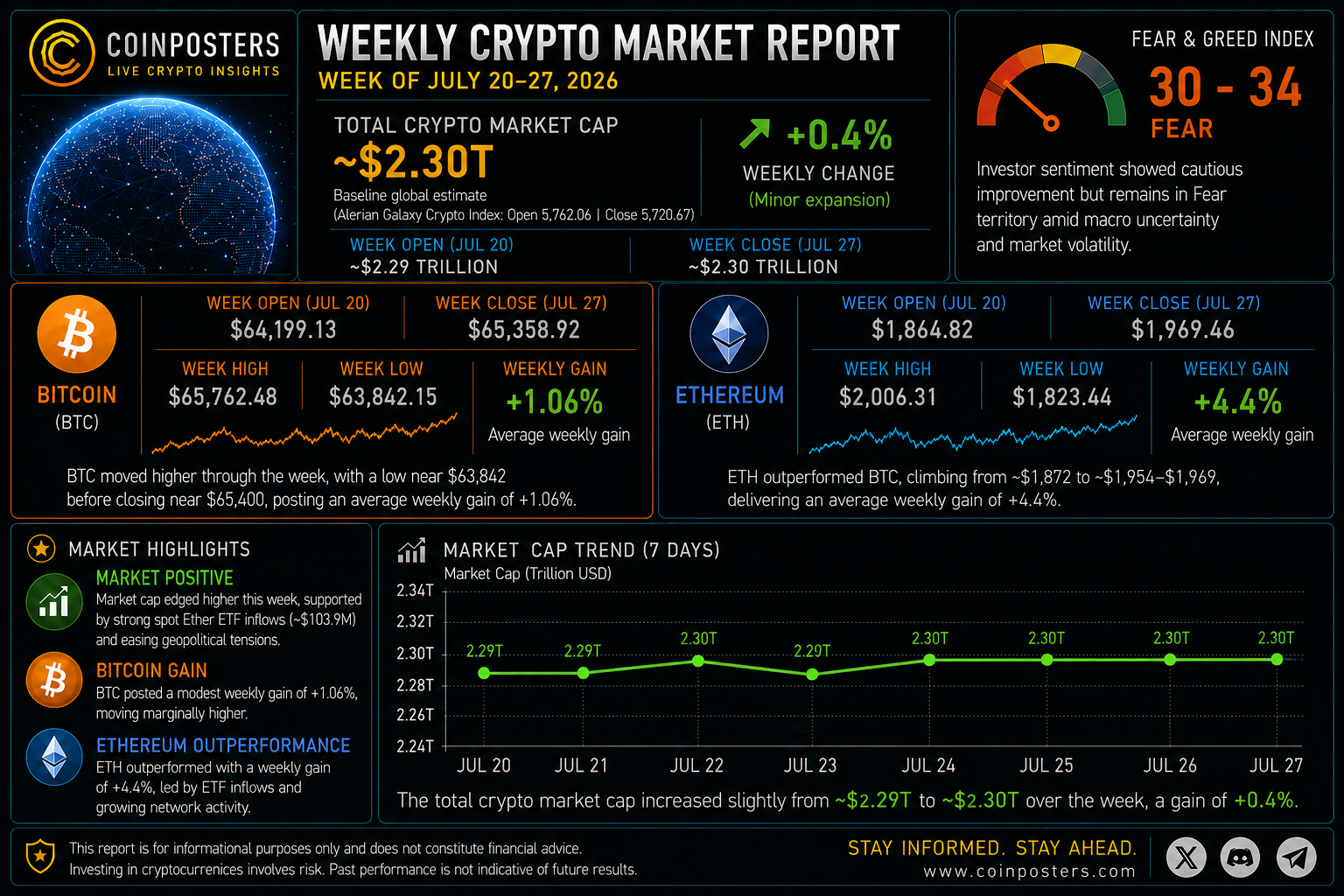
The regulatory environment for no-KYC exchanges is genuinely unsettled. In 2023, the U.S. Department of Justice charged Tornado Cash developers with money laundering conspiracy — a case that sent a clear signal that decentralized protocols are not automatically outside the reach of financial regulators. Multiple countries have issued guidance or enforcement actions targeting exchanges that operate without AML compliance frameworks, and several previously no-KYC platforms have introduced mandatory verification under regulatory pressure. For those looking to stay informed on financial regulations and crypto trends, you might want to check out the crypto market report.
This does not make no-KYC trading illegal for users in most jurisdictions — but it does mean the landscape you are trading in today may look different in 12 months. Platforms can change their policies, introduce KYC retroactively, or become inaccessible in your jurisdiction with limited notice. Diversifying across multiple platforms rather than relying exclusively on one service is a practical hedge against regulatory disruption to any single exchange.
How to Reduce Risk Without Sacrificing Privacy
The most important step is keeping your trading funds in a self-custody wallet and only moving assets to custodial no-KYC platforms when actively trading. Leaving large balances on any centralized platform — regardless of its KYC policy — exposes you to custodial risk that a hardware wallet or non-custodial software wallet eliminates entirely.
Using a privacy-focused wallet address strategy also matters. Reusing the same wallet address across multiple swaps and platforms creates an on-chain trail that analytical tools can link over time. Creating fresh wallet addresses for different purposes, and using mixing or privacy protocols where legally permitted in your jurisdiction, significantly reduces your on-chain footprint even when the exchange itself is no-KYC.
Finally, keep records of your own transactions. Even when using no-KYC platforms that do not log your activity, you have tax reporting obligations in most countries. Tools like CoinTracking let you import and track your on-chain transaction history so your portfolio records stay accurate without requiring you to surrender that data to an exchange.
No KYC Exchanges Are Legitimate, But Know What You Are Signing Up For
The most trusted no KYC crypto exchanges serve a legitimate purpose, and the best ones — Uniswap, PancakeSwap, Bisq, ChangeNOW, Godex.io, dYdX, and others covered here — are genuinely trustworthy platforms with real track records and verifiable security properties. Choosing one over a KYC-required exchange is a reasonable, legal choice for most retail traders in most jurisdictions.
What Separates Trustworthy No-KYC Exchanges from Risky Ones:
Publicly audited smart contracts or transparent operational history
Non-custodial architecture or clearly disclosed custodial risk
No data retention beyond what a transaction technically requires
A documented track record of processing volume without major incidents
Transparent terms that clearly state when KYC could be triggered
Active community presence and independently verifiable reputation
The platforms that deserve your trust share consistent traits regardless of their model — DEX, swap service, or limited-KYC CEX. To navigate these DeFi protocols safely, it’s essential to understand the nuances and security measures they implement.
What no-KYC status does not give you is immunity from tax obligations, protection from your own transaction errors, or a guarantee that the platform will operate under the same terms indefinitely. Privacy is a feature of these exchanges, not a legal shield. For those interested in understanding more about the financial landscape, exploring Bitcoin consolidation trends can provide valuable insights.
Trade with that clarity and no-KYC exchanges become powerful tools. Trade without it and the same privacy that protects you can also leave you without recourse when something goes wrong.
Frequently Asked Questions
Here are answers to the most common questions traders have about most trusted no-KYC crypto exchanges, from legality to practical limits.
Are No KYC Crypto Exchanges Legal?
Yes, using a no-KYC crypto exchange is legal for individual traders in most countries. The legal obligations around KYC compliance fall primarily on the exchange operators, not the users. Traders are still subject to their local tax reporting requirements regardless of which platform they use — but choosing a no-KYC exchange is not itself a legal violation in the vast majority of jurisdictions, including the United States, the United Kingdom, and the European Union.
Can I Use a No KYC Exchange for Large Transactions?
It depends on the platform. Fully decentralized exchanges like Uniswap and dYdX have no built-in transaction size limits — your only constraints are liquidity depth and slippage tolerance. Very large trades on thin liquidity pools will result in significant price impact, but that is a market mechanics issue rather than a platform restriction.
For swap services and limited-KYC centralized exchanges, large transactions are more likely to trigger compliance review. Platforms like ChangeNOW and Changelly process large swaps without issue in most cases, but both reserve the right to request verification for amounts that flag their AML systems. If you regularly transact in amounts above $10,000 to $50,000 equivalent, it is worth testing a platform with a smaller transaction first and reviewing its published terms on large swap handling.
Do No KYC Exchanges Report to Tax Authorities?
Decentralized exchanges do not report to tax authorities because there is no company to do the reporting — the protocol runs on smart contracts with no central operator. However, your on-chain transaction history is publicly visible on the blockchain, and tax authorities in multiple countries have developed tools to analyze on-chain activity. The IRS in the United States, HMRC in the United Kingdom, and equivalent agencies elsewhere have all invested in blockchain analytics capabilities. Not being reported to does not mean not being observed.
What Is the Safest No KYC Exchange for Beginners?
For beginners, the safest starting points are non-custodial swap services with customer support rather than pure DEXs. ChangeNOW and Changelly both offer straightforward interfaces, do not require account creation, and provide support if a transaction stalls — removing the most common failure points for new users. If you want to use a DEX directly, PancakeSwap on BNB Chain is more forgiving than Ethereum mainnet due to much lower gas fees, which means a failed transaction costs far less to learn from.
Best Most Trusted No-KYC Crypto Exchanges for Beginners:
Best for simplicity: ChangeNOW or Changelly
Best for DEX with low fees: PancakeSwap on BNB Chain
Best for full self-custody: Best Wallet with built-in DEX
Avoid for beginners: Bisq (complex setup), dYdX (derivatives trading), Uniswap mainnet (high gas fees)
Whichever platform you start with, always send a small test transaction before moving significant amounts, verify wallet addresses carefully, and keep your assets in a self-custody wallet when you are not actively trading.
Can I Convert Fiat to Crypto on a No KYC Exchange?
Directly converting fiat currency to crypto without any identity verification is genuinely difficult. Fiat payment processing — whether via bank transfer, credit card, or payment apps — involves traditional financial infrastructure that almost always requires at least basic identity confirmation at the payment processor level. This is one of the most significant practical limitations of no-KYC platforms compared to fully verified exchanges.
The closest options available are Bisq, which supports fiat-to-Bitcoin peer-to-peer trades using payment methods like cash by mail or in-person cash trades with zero identity checks, and Bitcoin ATMs in certain jurisdictions, which may allow cash-to-crypto purchases up to a small daily limit without ID. Best Wallet’s fiat on-ramp via third-party processors may also work with minimal verification for small card purchases depending on the processor and your location.
For most users, the practical reality is that the fiat on-ramp step involves some degree of identity exposure — either through a payment processor, a peer exchange like Bisq where your counterparty may see a payment account name, or a Bitcoin ATM that records transaction data. Once your funds are in crypto, the no-KYC exchange landscape is wide open. The fiat entry point is simply the one area where complete anonymity is hardest to maintain.
For comprehensive crypto tax tracking that keeps your records accurate without requiring you to share data with exchanges, CoinTracking offers powerful portfolio and tax reporting tools built specifically for privacy-conscious traders who manage activity across multiple no-KYC platforms.
DYOR Disclaimer: This article is for educational purposes only and should not be considered financial or legal advice. Cryptocurrency trading involves substantial risk, and using no-KYC platforms carries unique security, regulatory, and operational risks. Always conduct your own research (DYOR) and consult with qualified financial and legal advisors before making trading decisions. The most trusted no-KYC crypto exchanges reviewed here represent current conditions as of 2026, and exchange policies, features, and security standards are subject to change. Platform security, regulatory status, and withdrawal limits may vary by jurisdiction. Always verify current terms and conditions directly with each platform before depositing funds. Regulatory environments are evolving rapidly — what is permitted today may change tomorrow. Your responsibility for tax reporting obligations remains unchanged regardless of which exchange you use.