best crypto for transfers
cheapest crypto to transfer
cross-border crypto payments
crypto payment options
crypto transfer comparison
cryptocurrency transaction fees
Dogecoin proof-of-work
Dogecoin reliability
Dogecoin transfer fees
Dogecoin transfer speed
fastest cryptocurrency transfer
international money transfer
low-fee crypto transfers
money transfer coins
XRP ledger consensus
XRP reliability
XRP transfer fees
XRP transfer speed
XRP vs Dogecoin for transfers
XRP wallet reserve

Coinposters
XRP vs Dogecoin: Which Is the Better Low-Fee Money Transfer Option?
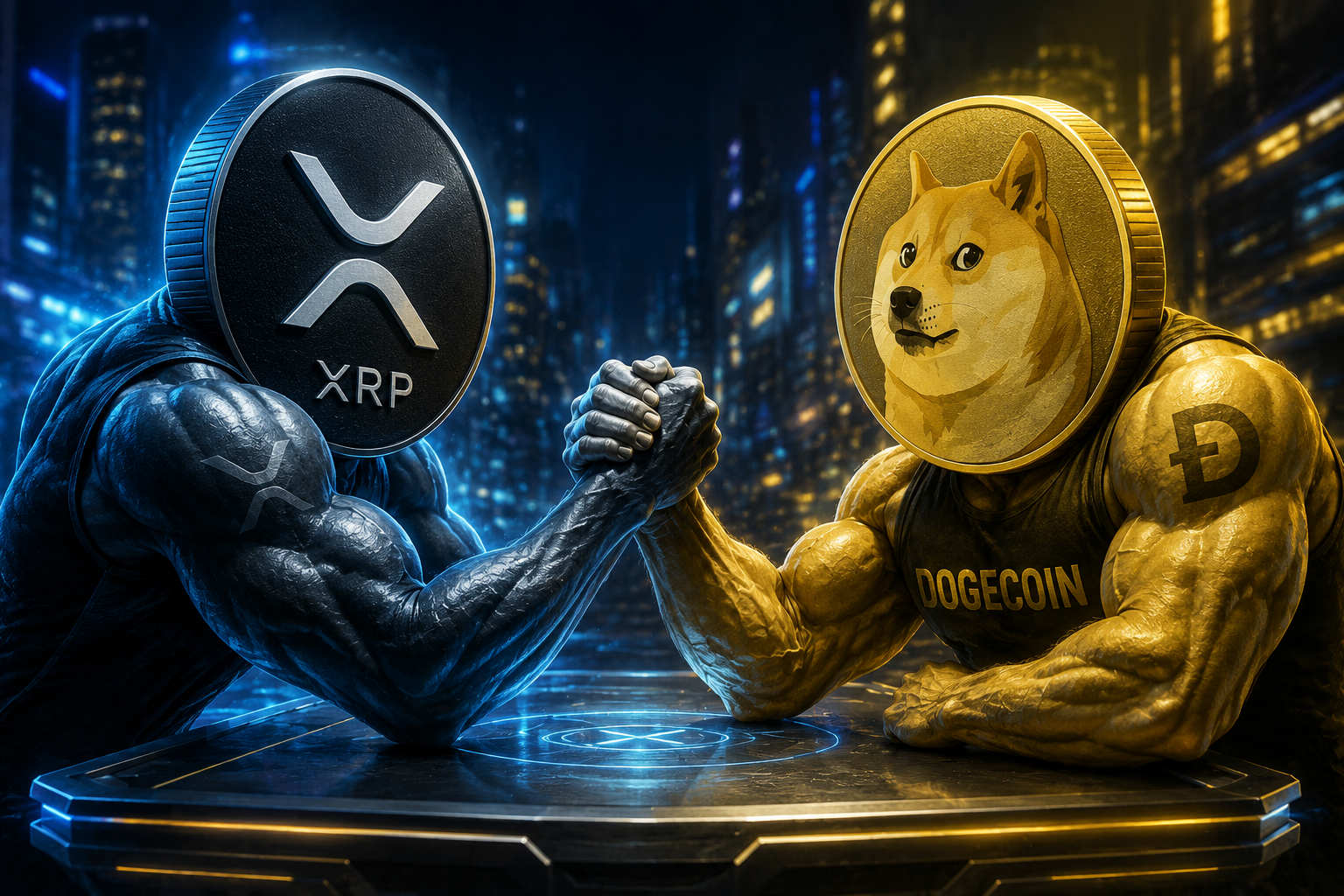
XRP vs Dogecoin for Transfers: Which Costs Less and Settles Faster?
When moving cryptocurrency across borders or between exchanges, every cent and second counts. XRP vs Dogecoin for transfers represents a clear choice between two fundamentally different approaches to blockchain efficiency, and understanding their differences will save you money and frustration.
Article at a Glance
- XRP is dramatically cheaper to transfer — costing less than $0.001 per transaction compared to Dogecoin’s average fee of around $0.055.
- Both XRP and Dogecoin confirm transactions in seconds, making them far faster than Bitcoin or Ethereum for everyday transfers.
- XRP has a hidden cost new users often miss — a 10 XRP wallet reserve requirement that locks up funds until the account is closed.
- Dogecoin fees can spike unpredictably during periods of high network demand, making it less reliable for time-sensitive transfers.
- CoinCodex tracks real-time fee data for both XRP and Dogecoin, making it a useful resource for comparing transfer costs before you send.
Table of Contents
- XRP Wins on Fees — But Dogecoin Has Its Own Strengths
- What Makes a Crypto Good for Low-Fee Transfers?
- XRP Transaction Fees and Speed
- Dogecoin Transaction Fees and Speed
- XRP vs Dogecoin: Head-to-Head Comparison
- Which One Should You Use for Money Transfers?
- The Verdict: XRP Is the Superior Low-Fee Transfer Option
- Frequently Asked Questions
If you’re moving crypto and every cent counts, the coin you choose for transfers matters more than most people realize.
XRP and Dogecoin are two of the most recognizable names in crypto, and both have built strong reputations for low-cost, fast transfers. But they’re not equal — and depending on what you’re trying to do, one will serve you significantly better than the other. Whether you’re sending funds between exchanges, paying someone across borders, or just moving value quickly, this breakdown cuts through the noise and gives you exactly what you need to make the right call.
XRP Wins on Fees — But Dogecoin Has Its Own Strengths
The short answer is XRP is cheaper. But the fuller picture is more interesting than that. Dogecoin has carved out a loyal community and offers a surprisingly practical transfer option for smaller, informal transactions — especially when the network isn’t congested. XRP, on the other hand, was engineered from the ground up for efficient value transfer and remains one of the lowest-fee cryptocurrencies available anywhere.
XRP vs Dogecoin for transfers — Quick Facts:
XRP fees: less than $0.001 per transaction
Dogecoin fees: ~$0.055 per transaction
Fee difference: XRP is 55x cheaper
XRP confirmation: 3–5 seconds
Dogecoin confirmation: 1–5 minutes
Here’s what sets them apart at a glance:
- XRP fees sit at less than $0.001 per transaction under normal conditions
- Dogecoin averages around $0.055 per transaction — still cheap, but 55x more expensive than XRP
- XRP confirms in 3 to 5 seconds; Dogecoin takes approximately 1 minute per block
- XRP is purpose-built for payments; Dogecoin started as a meme and evolved into a functional payment coin
- Neither requires smart contracts for basic value transfers, keeping both lean and efficient
The gap in fees is significant, but speed and reliability under load are where the real differences emerge. Let’s look at what actually makes a crypto worth using for transfers.
What Makes a Crypto Good for Low-Fee Transfers?
Not all blockchains are built equally when it comes to moving money. Three factors determine whether a cryptocurrency is genuinely practical for transfers: the cost per transaction, how fast the network confirms it, and how well it holds up when traffic surges.
Transaction Speed
Speed matters most when you’re transferring between exchanges to catch a price, or sending an urgent cross-border payment. A crypto that takes 10 minutes or longer to confirm — like Bitcoin — creates real-world friction. Anything under 60 seconds is generally considered fast enough for practical use.
Average Transaction Fee
This is the cost you pay to have your transaction processed and recorded on the blockchain. Fees aren’t fixed for most cryptocurrencies — they fluctuate based on network demand. For transfer-focused use cases, you want a coin whose fees stay consistently low, not just low during quiet periods. To keep track of important crypto market events, consider using a reliable calendar.
Network Reliability Under Heavy Load
A crypto might look cheap on paper but become expensive and slow during periods of high activity. This is where architecture matters. Coins with robust consensus mechanisms and high throughput capacity maintain stable fees even when demand spikes — a critical factor if you rely on fast, predictable transfers.
XRP Transaction Fees and Speed
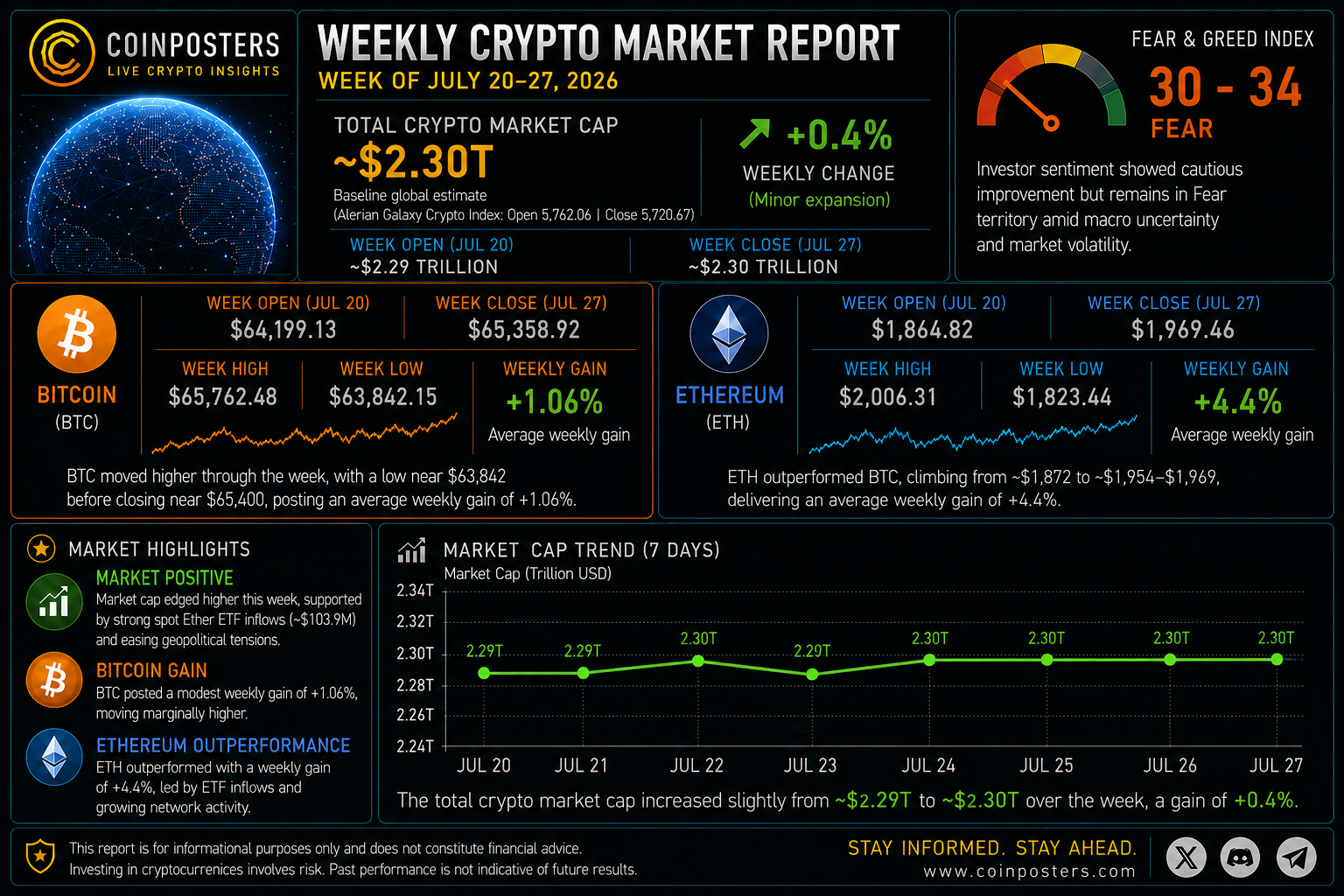
XRP was designed with one primary goal: move value efficiently. Developed by Ripple Labs, it doesn’t use proof-of-work or proof-of-stake. Instead, it relies on the XRP Ledger Consensus Protocol, which allows validators to agree on transaction validity rapidly without the energy overhead of mining. The result is a network that processes transactions faster and cheaper than almost anything else at scale. For more insights into the crypto market, you can check out this crypto market report.
XRP consistently ranks among the top performers when comparing cheapest cryptos to transfer, sitting alongside Stellar and Solana in terms of fee efficiency — but with a longer track record for cross-border payment use cases.
How Much Does an XRP Transfer Actually Cost?
XRP Transaction Cost
Less than $0.001
Often cited as approximately $0.0002
An XRP transaction costs less than $0.001 — often cited as approximately $0.0002. That’s a fraction of a cent regardless of how much XRP you’re sending. Whether you’re moving $10 or $10,000, the fee stays essentially the same, which makes XRP especially powerful for larger transfers where percentage-based fees on other networks would become significant.
How Fast Does XRP Confirm Transactions?
XRP settles in 3 to 5 seconds. That’s not an estimate under ideal conditions — that’s the consistent, real-world performance of the XRP Ledger. For context, Bitcoin takes an average of 10 minutes per block confirmation, and Ethereum typically takes 12 to 15 seconds with additional wait time for finality. XRP’s speed makes it one of the most practical options for time-sensitive transfers.
The 10 XRP Wallet Reserve Requirement
Hidden XRP Cost: The 10 XRP Reserve
Every XRP wallet requires a minimum reserve of 10 XRP that cannot be sent or spent while the account is active.
This amount is locked the moment you activate a wallet as a spam-prevention mechanism.
For new users moving small amounts, this reserve can represent a meaningful portion of holdings. It’s not a fee you lose — but it’s capital you can’t access until you close the account.
Here’s the catch most new XRP users don’t see coming. The XRP Ledger requires every wallet to hold a minimum reserve of 10 XRP — and that amount cannot be sent or spent while the account is active. It’s a spam-prevention mechanism built into the protocol, but it does mean your first 10 XRP are effectively locked. For someone moving small amounts, this reserve can represent a meaningful portion of their holdings. It’s not a fee you lose — but it’s capital you can’t access until you close the account.
Dogecoin Transaction Fees and Speed
Dogecoin started as a joke in 2013, but its transfer capabilities are no laughing matter. Built on a modified version of Litecoin’s codebase, DOGE uses a Scrypt proof-of-work consensus mechanism with a deliberately short block time. What emerged from meme culture is actually a surprisingly functional payment coin — one that processes transactions faster than Bitcoin and at a fraction of the cost. For more insights into the market, check out the crypto market report.
How Much Does a DOGE Transfer Actually Cost?
Dogecoin Transaction Cost
~$0.055
According to BitInfoCharts data — still cheap, but 55x more than XRP
The average Dogecoin transaction fee sits at approximately $0.055, according to BitInfoCharts data. That’s still remarkably cheap compared to Bitcoin or Ethereum during congested periods, but it’s roughly 55 times more expensive than a typical XRP transfer. For casual, small-scale payments between friends or for tipping online, that cost is barely noticeable. For more insights on the market, check out the Crypto Market Report.
Where it starts to matter is volume. If you’re making frequent transfers — moving funds between exchanges daily, for example — those $0.055 fees add up faster than XRP’s sub-cent costs ever would. For high-frequency transfer use cases, the difference becomes genuinely significant over time.
How Fast Does Dogecoin Confirm Transactions?
Dogecoin produces a new block approximately every 1 minute, which is 10 times faster than Bitcoin’s 10-minute block time. In practice, most exchanges and wallets consider a DOGE transaction sufficiently confirmed after a handful of blocks, meaning real-world settlement typically lands somewhere between 1 and 5 minutes. That’s fast enough for most everyday use cases, but noticeably slower than XRP’s 3-to-5-second finality.
How Dogecoin Fees Spike During High Demand
Dogecoin’s fee structure isn’t immune to demand pressure. During periods of intense network activity — often triggered by viral social media moments or major price rallies — DOGE fees can climb well above their typical average. The Scrypt proof-of-work system has limited throughput, and when more transactions flood the network than miners can immediately process, fees rise and confirmation times stretch out.
This unpredictability is one of Dogecoin’s real weaknesses for transfer use cases that require reliability. If you need to move funds during a DOGE hype cycle, you might pay more and wait longer than you expected. XRP’s consensus protocol doesn’t face this same bottleneck, maintaining consistent performance regardless of market sentiment around the coin.
XRP vs Dogecoin: Head-to-Head Comparison
Now that we’ve broken down each coin individually, here’s how they stack up directly against each other across the metrics that matter most for transfers.
Fee Comparison: XRP vs Dogecoin for Transfers
There’s no debate here — XRP is dramatically cheaper. At less than $0.001 per transaction versus Dogecoin’s average of $0.055, XRP wins on cost by a wide margin. The table below puts this in perspective. For those interested in exploring more about the crypto world, you might find insights from crypto market reports valuable.
| Cryptocurrency | Average Transaction Fee | Fee Stability |
|---|---|---|
| XRP | Less than $0.001 | Very stable |
| Dogecoin | ~$0.055 | Can spike during demand surges |
| Bitcoin | Varies widely ($1–$30+) | Highly volatile |
| Ethereum | Varies widely ($0.50–$50+) | Highly volatile |
Speed Comparison: XRP vs Dogecoin
XRP settles in 3 to 5 seconds. Dogecoin confirms in roughly 1 minute per block, with practical settlement often taking several minutes. For most use cases, both are fast enough — but when seconds matter, XRP has a clear edge.
Consider what that speed difference means in practice. If you’re arbitraging price differences between two exchanges, a 5-second XRP transfer versus a 3-minute DOGE wait could be the difference between a profitable trade and a missed window. Speed compounds in value the more actively you’re using your crypto, especially when using crypto monitoring tools.
- XRP confirmation time: 3–5 seconds
- Dogecoin confirmation time: ~1 minute per block, often 2–5 minutes for practical finality
- Bitcoin confirmation time: ~10 minutes per block
- Ethereum confirmation time: 12–15 seconds per block with additional finality delay
For straightforward value transfers where a few minutes of waiting is acceptable, Dogecoin holds its own. For anything requiring near-instant settlement, XRP is the stronger choice.
Network Reliability: XRP vs Dogecoin
XRP’s XRP Ledger Consensus Protocol gives it a structural advantage in reliability. Unlike proof-of-work systems, it doesn’t depend on miners competing for block rewards — meaning transaction processing continues smoothly regardless of miner incentives or network congestion from unrelated demand spikes.
Dogecoin, running on proof-of-work, is subject to the same reliability constraints as Bitcoin and Litecoin. When the network gets congested, transactions queue up and miners prioritize higher-fee transactions. During peak DOGE activity periods, this can translate to real delays and unexpected costs.
Network Reliability Comparison
XRP: Consistent sub-second processing initiation, finality in under 5 seconds regardless of market conditions
Dogecoin: Reliable during low-to-moderate network activity, but susceptible to delays during viral demand spikes
XRP Ledger uptime: The network has maintained continuous operation since 2012
Dogecoin mining: Merge-mined with Litecoin, which helps maintain miner participation but doesn’t eliminate congestion risk
- XRP: Consistent sub-second processing initiation, finality in under 5 seconds regardless of market conditions
- Dogecoin: Reliable during low-to-moderate network activity, but susceptible to delays during viral demand spikes
- XRP Ledger uptime: The network has maintained continuous operation since 2012
- Dogecoin mining: Merge-mined with Litecoin, which helps maintain miner participation but doesn’t eliminate congestion risk
For anyone building a consistent transfer workflow — whether for business payments, regular remittances, or exchange arbitrage — XRP’s reliability advantage is a real operational benefit.
That said, Dogecoin’s proof-of-work model does offer something XRP’s consensus system doesn’t: a more decentralized miner base that some users find philosophically preferable. Whether that decentralization matters to your transfer use case is a personal call.
Accessibility and Exchange Availability
Both XRP and Dogecoin are widely available across major cryptocurrency exchanges. You’ll find both listed on Coinbase, Binance, Kraken, and most other top-tier platforms. Neither presents a meaningful access barrier for most crypto users globally.
Which One Should You Use for Money Transfers?
The right choice depends almost entirely on your specific transfer scenario. Here’s how to think about it: You might want to consider which cryptocurrencies have the cheapest transaction fees to make an informed decision.
- Sending large amounts cross-border: XRP’s near-zero fees and fast settlement make it the clear winner — especially for amounts where even small percentage differences in fees matter
- Frequent exchange-to-exchange transfers: XRP again — the fee savings compound quickly at high volume
- Casual payments to friends or small tips: Dogecoin works perfectly well and its community familiarity makes it socially frictionless
- Time-sensitive arbitrage transfers: XRP’s 3-to-5-second finality is purpose-built for this
- Sending during high DOGE hype periods: Avoid Dogecoin during these windows — fees spike unpredictably and confirmation times lengthen
- New to crypto and setting up your first wallet: Factor in XRP’s 10 XRP reserve requirement before choosing — it’s a hidden upfront cost that catches beginners off guard
Neither coin is a bad choice in absolute terms — both leave Bitcoin and Ethereum’s fee structures in the dust. But for pure transfer efficiency, XRP is simply engineered better for the job.
If your priority is moving value quickly, cheaply, and predictably — especially across borders or between exchanges — XRP is the more purpose-built tool. Dogecoin earns its place for community payments and informal transfers, but it wasn’t designed with the same transfer-first architecture that makes XRP so consistently effective.
When XRP Is the Better Choice
XRP is the stronger option any time transfer efficiency is the top priority. Its sub-cent fees and near-instant settlement make it the go-to for moving real value across borders or between exchanges where speed and cost predictability matter most.
- You’re sending large amounts internationally and want fees to stay flat regardless of transaction size
- You’re making frequent exchange-to-exchange transfers and fee savings compound over time
- You need near-instant finality — 3 to 5 seconds versus Dogecoin’s 1-to-5-minute window
- You’re operating in a high-volume transfer workflow where reliability and consistent fees matter operationally
- You’re moving funds during a period when Dogecoin’s network is congested from a hype cycle or viral moment
The XRP Ledger has been live since 2012 and has continuously processed transactions without downtime — a track record that matters when you’re depending on a network for regular financial activity. For a deeper understanding of how these networks function, consider exploring navigating DeFi protocols safely.
The one scenario where XRP creates friction is for brand-new wallet holders. That mandatory 10 XRP reserve is locked the moment you activate a wallet. If you’re only planning to transfer a small amount of XRP, make sure you account for that reserve before you move funds — otherwise you may find yourself unable to send as much as you expected.
When Dogecoin Is the Better Choice
Dogecoin earns its spot when the transfer is casual, community-driven, or small-scale. Its average fee of around $0.055 is still extremely low in absolute terms, and for tipping creators, paying friends back, or making informal peer-to-peer transactions, DOGE carries a cultural familiarity that XRP simply doesn’t have. The Dogecoin community is active and enthusiastic, which means wide recognition across platforms that support crypto payments.
If you’re transferring funds within a community or ecosystem that already uses DOGE — such as certain gaming platforms, online communities, or social tipping environments — sticking with Dogecoin removes unnecessary conversion steps and friction. Just be mindful of timing: avoid sending DOGE during network surges when fees spike and confirmation times stretch unpredictably.
The Verdict: XRP Is the Superior Low-Fee Transfer Option
When the sole criterion is transfer efficiency — cost, speed, and reliability — XRP wins clearly and consistently.
XRP for transfers: Fees under $0.001, settlement in 3-5 seconds, consensus protocol that doesn’t buckle under demand pressure.
Dogecoin for transfers: 55 times more expensive per transaction, with confirmed susceptibility to fee spikes during high-activity periods.
When the sole criterion is transfer efficiency — cost, speed, and reliability — XRP wins clearly and consistently. With fees under $0.001, settlement in 3 to 5 seconds, and a consensus protocol that doesn’t buckle under demand pressure, XRP delivers what Ripple Labs built it to do. Dogecoin is a legitimate and affordable transfer coin, but at 55 times the cost per transaction and with confirmed susceptibility to fee spikes during high-activity periods, it simply can’t compete with XRP on a technical level.
That said, the best crypto for transfers is always the one that fits your specific situation. If your recipient only accepts DOGE, or if you’re embedded in a community built around it, Dogecoin is a perfectly reasonable choice. But if you’re optimizing purely for moving value as cheaply and quickly as possible — especially at scale or across borders — XRP is the tool that was purpose-built for exactly that job.
Frequently Asked Questions
Here’s a quick reference covering the most common questions about XRP and Dogecoin transfers, with straightforward answers based on current network data.
Quick Comparison: XRP vs Dogecoin Transfer Facts
XRP Average Fee: Less than $0.001 | DOGE Average Fee: ~$0.055
XRP Confirmation Time: 3–5 seconds | DOGE Confirmation Time: ~1–5 minutes
XRP Consensus: XRP Ledger Consensus Protocol | DOGE Consensus: Scrypt Proof-of-Work
XRP Reserve Requirement: 10 XRP locked per wallet | DOGE Reserve Requirement: None
XRP Fee Stability: Very stable | DOGE Fee Stability: Can spike during demand surges
Both coins are listed on major exchanges including Coinbase, Binance, and Kraken, making access straightforward for most users globally. The fee and speed differences listed above reflect normal network conditions — always check current data on resources like CoinCodex or BitInfoCharts before executing time-sensitive transfers. For more insights into cryptocurrency trends, you might find this crypto news calendar helpful.
It’s also worth noting that internal transfers on cryptocurrency exchanges may carry no fee at all for either coin — check with your specific exchange before sending on-chain if cost is your primary concern.
Is XRP cheaper to send than Dogecoin?
Yes — XRP is significantly cheaper to send than Dogecoin. XRP transactions cost less than $0.001, while Dogecoin averages around $0.055 per transaction under normal conditions. That makes XRP roughly 55 times cheaper per transfer, a gap that becomes substantial at high transaction volumes.
Can I use XRP or Dogecoin for international money transfers?
Yes, both can be used for international transfers. XRP is particularly well-suited for cross-border payments — it was specifically designed by Ripple Labs to facilitate fast, affordable global value transfers, and financial institutions have adopted it for exactly that purpose. Dogecoin can also be used internationally, but its slower confirmation times and less stable fees make it a less optimal choice for high-value or time-sensitive cross-border transactions.
Does Dogecoin have a fixed transaction fee?
No — Dogecoin does not have a fixed transaction fee. Fees fluctuate based on network demand, similar to how Bitcoin and Litecoin fees work. The average fee sits around $0.055 during normal conditions, but this can rise noticeably during periods of high network activity or viral DOGE moments that drive a surge in transactions.
This fee variability is one of Dogecoin’s practical weaknesses for users who need cost predictability. If you’re planning a transfer during or after a major DOGE news cycle, it’s worth checking current fee conditions on BitInfoCharts before sending to avoid unexpected costs.
What is the minimum XRP wallet reserve and why does it exist?
The XRP Ledger requires every wallet to maintain a minimum reserve of 10 XRP, which cannot be spent or transferred while the account is active. This requirement exists as an anti-spam mechanism — it prevents bad actors from flooding the network with throwaway wallets and low-value transactions. The reserve isn’t lost; it can be reclaimed if you close the account. However, for new users moving smaller amounts, this locked reserve is an important cost to factor in before setting up an XRP wallet.
Are there faster and cheaper alternatives to both XRP and Dogecoin?
Yes — a few other cryptocurrencies compete at or below XRP’s fee level. Stellar (XLM) offers transaction fees of less than $0.001 with a 3-to-5-second confirmation time, making it a direct XRP competitor for cross-border payments. Solana (SOL) charges approximately $0.000988 per transaction with 3-second finality and smart contract capability, making it versatile beyond simple transfers.
Monero (XMR) and Dash (DASH) also offer low fees — Monero typically under $0.15 and Dash under $0.01 — but come with different trade-offs around privacy, accessibility, and exchange listings. For pure fee minimization with broad exchange availability, XRP and Stellar remain the strongest options. For more insights on market trends, you might want to check out the Crypto Market Report.
DYOR Disclaimer: This article is for educational purposes only and should not be considered financial advice. Cryptocurrency markets are highly volatile, and all investments carry risk. Always conduct your own research (DYOR) and consult with a qualified financial advisor before making investment decisions. The information presented reflects conditions as of 2026 and may change. Fees, settlement times, and network performance are subject to change. Always verify current data directly with official sources and your preferred exchange before executing transfers.