Coinposters
Crypto Portfolio Rebalancing: Active Trading vs. a Passive HODL Approach
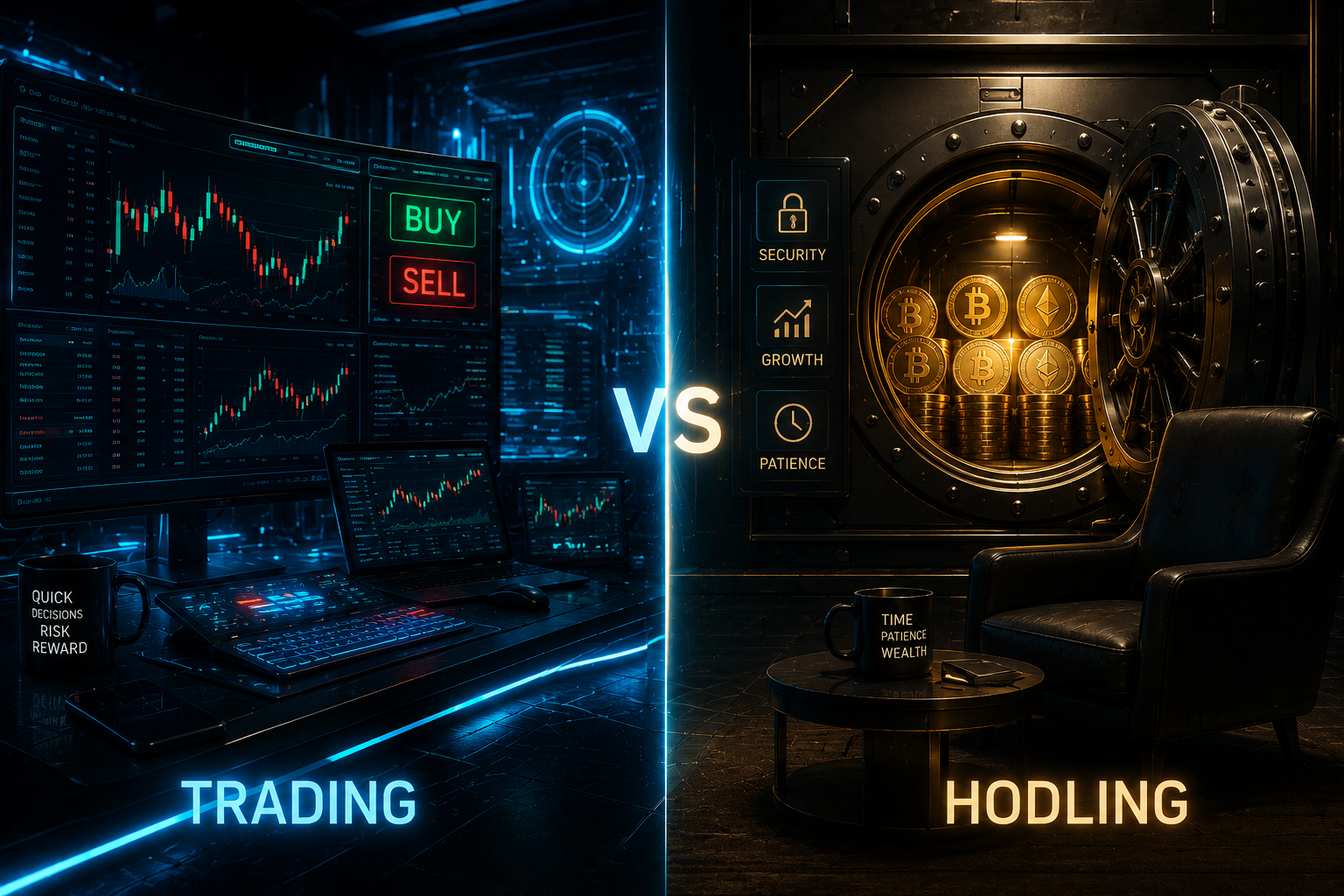
Crypto portfolio rebalancing comes down to a choice between two approaches: the passive HODL strategy, which accepts drift in exchange for simplicity and tax efficiency, and active rebalancing, which manages risk more precisely but costs more in fees, taxes, and attention, most experienced investors land somewhere in between.
Article at a Glance
Here’s the short version of crypto portfolio rebalancing:
- Rebalancing your crypto portfolio means realigning your asset allocations back to your original target, and doing it strategically can be the difference between compounding gains and watching profits evaporate.
- Two dominant approaches exist: the passive HODL strategy and active rebalancing through trading, each with distinct risk profiles, tax consequences, and time commitments.
- Most investors overlook drift, the gradual shift in portfolio weights caused by price movement, which silently increases risk exposure over time without a single trade being made.
- Tax efficiency matters more than most people realize, frequent rebalancing triggers capital gains events that can significantly erode net returns, especially in short-term positions.
- A hybrid approach combining a core HODL position with a smaller active trading allocation is increasingly popular among experienced investors who want stability without sacrificing opportunity.
Table of Contents
- Your Crypto Portfolio Is Either Working for You or Against You
- What Crypto Portfolio Rebalancing Actually Means
- The HODL Approach to Portfolio Management
- Active Trading as a Rebalancing Strategy
- Tax Implications of Each Rebalancing Method
- Which Strategy Fits Your Risk Profile
- Rebalancing Tools and Platforms Worth Using
- The Strategy You Choose Today Shapes Your Portfolio Tomorrow
- Frequently Asked Questions
Your Crypto Portfolio Is Either Working for You or Against You – Crypto Portfolio Rebalancing
Most crypto investors obsess over which coins to buy, but the investors who actually build lasting wealth obsess over how their portfolio is structured over time. Crypto portfolio rebalancing is how that structure gets maintained.
Without a rebalancing strategy, a portfolio that starts perfectly diversified can quietly become a concentrated bet on a single asset. Bitcoin doubles, your altcoin allocation shrinks in relative terms, and suddenly you’re carrying far more risk than you originally planned, without making a single conscious decision. That’s portfolio drift, and it happens to almost everyone who doesn’t have a system in place.
Resources like Coinposters focus on empowering crypto investors to recognize this problem and offer tools and education to help enthusiasts make smarter, more deliberate decisions about portfolio management, not just entry points.
What Crypto Portfolio Rebalancing Actually Means
Crypto portfolio rebalancing is the process of realigning your holdings back to a predetermined target allocation. If you started with 50% Bitcoin, 30% Ethereum, and 20% altcoins, and a bull run pushed Bitcoin to 70% of your total value, rebalancing means selling some Bitcoin and redistributing into the other assets to restore that original balance.
It sounds simple, but the execution, and the strategy behind it, varies wildly depending on your goals, risk tolerance, and how actively you want to manage your investments.
How Target Allocations Drift Over Time
Crypto markets move fast. A 40% price surge in a single asset over a few weeks can completely reshape your portfolio’s weight distribution. What starts as a balanced spread becomes a lopsided position. Over time, this drift doesn’t just change your allocations, it changes your actual risk exposure, often without you realizing it. A portfolio that was once diversified now behaves more like a single-asset bet.
The Difference Between Rebalancing and Panic Selling
This distinction matters enormously. Rebalancing is a planned, systematic process, you set rules in advance and execute them regardless of how you feel about the market in the moment. Panic selling is emotional and reactive, triggered by fear during a downturn. To better understand how to determine your best approach to crypto investing, you can explore more about holding or flipping strategies.
“Rebalancing can actually mean selling assets that have performed well, which is counterintuitive for many investors.”
Rebalancing can actually mean selling assets that have performed well (not poorly), which is counterintuitive for many investors. That’s precisely why having a written strategy before market volatility hits is so important. The plan keeps emotion out of the decision. For example, understanding the dynamics of Bitcoin vs. Ethereum as long-term investments can be crucial in forming such strategies.
The HODL Approach to Portfolio Management
HODL, originally a typo for “hold” in a 2013 Bitcoin forum post, evolved into one of the most recognized philosophies in crypto investing. It means buying and holding assets for the long term, regardless of short-term market swings. But within the context of portfolio management, HODLing has a more specific meaning: it’s a deliberately passive approach to allocation.
Rather than actively adjusting positions based on price movements or market cycles, a HODL-based portfolio management strategy accepts drift as part of the process. The belief is that high-conviction assets, primarily Bitcoin and Ethereum, will appreciate significantly over multi-year time horizons, and that frequent trading creates more risk and cost than it eliminates.
What HODL Actually Means in Practice
In practice, a pure HODL approach means setting your allocation once and revisiting it infrequently, perhaps annually or only after major life changes. You’re not monitoring price charts daily. You’re not reacting to corrections. You’re holding through volatility with the conviction that your assets will be worth more in three to five years than they are today. If you’re interested in learning more about long-term investment strategies, you might want to read about Bitcoin vs. Ethereum.
This works best when your portfolio is concentrated in high-cap, fundamentally strong assets. Holding a diversified basket of low-cap altcoins without active management is a different risk profile entirely, one that can lead to significant permanent loss if underperforming assets are never trimmed.
The key discipline of HODL isn’t just patience, it’s not selling during downturns. During the 2022 crypto bear market, Bitcoin dropped over 75% from its all-time high. Long-term HODLers who held through that period and into 2024 saw full recoveries and new highs. Investors who sold during the drawdown locked in losses and often missed the recovery entirely.
When a Passive Strategy Outperforms Active Trading
Research consistently shows that the majority of active traders underperform a simple buy-and-hold strategy over long time horizons. In crypto, this is amplified by extreme volatility, timing the market correctly requires getting both the exit and re-entry right, and most retail investors don’t.
Transaction fees, emotional decision-making, and the tax drag of frequent trading all work against active strategies. In a strong bull market especially, simply holding quality assets often outperforms the sophisticated trader who keeps moving in and out of positions.
The Hidden Costs of Doing Nothing
A passive HODL strategy isn’t free of consequences. When you let drift go unchecked, you may end up holding a portfolio that no longer matches your risk tolerance. A portfolio that’s drifted to 80% Bitcoin in a bull run looks very different during a 60% correction. The hidden cost isn’t a trading fee, it’s the risk you didn’t know you were carrying.
Active Trading as a Rebalancing Strategy
Active rebalancing treats your portfolio like a living system that needs regular calibration. Instead of setting an allocation and leaving it, active traders and rebalancers monitor portfolio weights and adjust them based on either time-based schedules or predefined thresholds, selling what has grown too large and buying what has shrunk below target.
Calendar Rebalancing vs. Threshold Rebalancing
Active rebalancing splits into two primary methods, and choosing between them depends on how hands-on you want to be and how volatile your holdings are.
- Calendar Rebalancing: You rebalance on a fixed schedule, monthly, quarterly, or annually, regardless of how much your allocations have shifted. It’s predictable, easy to automate, and removes the guesswork of timing. The downside is that it can trigger unnecessary trades during periods of low drift.
- Threshold Rebalancing: You set a percentage band around each asset’s target weight, say, ±5%, and only rebalance when an asset drifts outside that band. This approach is more responsive to actual market conditions and reduces unnecessary trades, but it requires more active monitoring.
- Hybrid Rebalancing: Many experienced investors combine both, they check on a calendar schedule but only execute trades if allocations have breached a threshold. This is widely considered the most efficient approach for crypto portfolios specifically, given how fast prices can move.
In highly volatile markets like crypto, threshold rebalancing tends to be more practical than rigid calendar schedules. An asset can swing 30% in a week, waiting for a quarterly review means you may miss the optimal rebalancing window entirely.
The right rebalancing frequency also depends on transaction costs. On-chain transactions carry gas fees, and frequent small rebalancing trades can eat into returns faster than you’d expect. Consolidating rebalancing activity into fewer, more deliberate trades, when drift is meaningful, typically produces better net outcomes.
How Active Traders Lock In Gains During Bull Runs
Bull markets are where active rebalancing earns its reputation. When an asset like Solana surges 200% in a quarter, its weight in a diversified portfolio balloons far beyond its original target. Active rebalancers sell a portion of those gains systematically, not out of fear, but to lock in profit and redistribute into underweight assets that may have more room to run. This disciplined profit-taking prevents the common mistake of letting a winning position become the entire portfolio, only to watch those gains evaporate in the inevitable correction. It’s not about predicting tops, it’s about systematically reducing concentration risk as prices rise.
The Skills and Tools Active Rebalancing Requires
Active rebalancing isn’t passive by any stretch. It requires a clear understanding of your target allocation, the discipline to execute trades based on rules rather than emotions, and the tools to track your portfolio accurately in real time. Platforms like Shrimpy, CoinStats, and Kubera are specifically designed for crypto portfolio tracking and automated rebalancing. Shrimpy, in particular, allows you to set threshold-based rebalancing rules across multiple exchanges and execute them automatically, removing human emotion from the equation entirely.
Beyond tools, active rebalancing requires tax awareness. Every trade is a potential taxable event, and without tracking cost basis across dozens of transactions, your tax liability can spiral quickly. Tools like Koinly and CoinTracker integrate with most major exchanges and wallets to calculate your gains, losses, and tax obligations in real time, something every active rebalancer should have running in the background.
Tax Implications of Each Rebalancing Method
Taxes are where rebalancing strategy gets brutally practical. In most jurisdictions, every time you sell a crypto asset, even to rebalance into another crypto, it’s treated as a taxable disposal. That means capital gains tax applies to the difference between what you paid and what you sold for, regardless of whether you ever converted to fiat currency.
This is one of the most overlooked aspects of active rebalancing. Investors focus on gross returns, how much their portfolio grew, without accounting for the tax drag that frequent rebalancing creates. In a high-conviction bull market, the tax liability from quarterly rebalancing can meaningfully reduce net returns compared to simply holding.
The specific tax treatment depends on how long you’ve held the asset before selling. This single variable, holding period, has a dramatic impact on how much of your rebalancing gains you actually keep.
How Frequent Trades Trigger Capital Gains Events
In the United States, the IRS treats crypto as property. Every sale, swap, or exchange, including trading Bitcoin for Ethereum, is a taxable event. Short-term capital gains (assets held under 12 months) are taxed at ordinary income rates, which can reach as high as 37% for high earners. Long-term capital gains (assets held over 12 months) are taxed at preferential rates of 0%, 15%, or 20% depending on income. An active rebalancer executing monthly trades will almost always be generating short-term gains, a significantly less tax-efficient outcome than a HODLer who holds the same assets for years before selling.
Long-Term Holding and Tax Efficiency
The HODL strategy’s biggest underrated advantage isn’t patience, it’s tax efficiency. By holding assets for longer than 12 months before any sale, investors qualify for long-term capital gains rates, which are substantially lower than short-term rates in most jurisdictions. For high-income earners, this difference alone can represent tens of thousands of dollars on a meaningful portfolio. To explore more on the potential returns of long-term crypto investments, check out this comparison of Bitcoin vs. Ethereum.
There’s also the concept of tax-loss harvesting, which applies to both strategies but is often more relevant for HODLers navigating a bear market. By strategically selling underperforming assets at a loss, you can offset gains elsewhere in your portfolio, reducing your overall tax bill without permanently exiting your positions. Many investors repurchase the same asset shortly after (noting that crypto currently lacks wash-sale rules in the U.S., though this regulatory landscape is evolving).
For investors using tax-advantaged accounts, such as a self-directed IRA that permits crypto holdings, rebalancing within those accounts doesn’t trigger immediate capital gains events. This structure makes active rebalancing far more viable from a tax standpoint and is worth exploring for long-term investors who want the flexibility of active management without the annual tax headache.
Which Strategy Fits Your Risk Profile
There’s no universally correct rebalancing strategy, the right approach is the one you’ll actually execute consistently and that aligns with your financial situation, time availability, and emotional relationship with volatility. Both strategies have delivered results for different types of investors, and both have delivered failures when applied without discipline.
The most important question isn’t “which strategy is better?”, it’s “which strategy will I stick to when the market drops 40% in a week?” The answer to that question tells you more about your ideal approach than any performance comparison.
Low Risk Tolerance: Why HODL Works Best
If market volatility keeps you up at night, or if you find yourself checking prices compulsively and second-guessing every move, the HODL strategy is structurally better for you. It removes decision points, and with them, the opportunity to make emotionally driven mistakes. You buy, you hold, and you let time do the work. The fewer decisions you make during volatile periods, the fewer chances you have to panic-sell at the bottom.
HODLing also suits investors with limited time. If you’re not prepared to monitor markets regularly, set up tracking tools, and stay current on tax implications, active rebalancing will likely create more harm than good. A well-constructed passive portfolio in Bitcoin and Ethereum, held consistently over a multi-year horizon, has historically been one of the most reliable strategies in the crypto space.
High Risk Tolerance: Maximizing Gains Through Active Rebalancing
For investors who are comfortable with complexity, have time to monitor their portfolios, and understand the tax implications of frequent trading, active rebalancing offers real advantages, particularly in sideways or cyclical markets where buy-and-hold underperforms. The ability to systematically take profits at highs and redeploy into undervalued assets at lows is a genuine edge when executed with discipline. But it demands emotional control, consistent execution, and a willingness to sell assets that are still rising, which is psychologically harder than it sounds.
The Hybrid Approach: Core HODL Position Plus an Active Trading Allocation
The hybrid approach is where theory meets reality for most serious crypto investors. The structure is straightforward: allocate the majority of your portfolio, typically 70% to 80%, into high-conviction, long-term holds like Bitcoin and Ethereum, and leave the remaining 20% to 30% for active rebalancing and opportunistic trading. The core position gives you stability and long-term upside. The active allocation gives you flexibility to capitalize on market cycles without putting your entire portfolio at risk.
This isn’t a compromise, it’s a deliberate architecture. The core HODL position is never touched during short-term volatility. It sits, compounds, and benefits from long-term capital gains treatment. The active allocation operates on its own rules: threshold-based rebalancing, systematic profit-taking during rallies, and redeployment into underweight positions or emerging opportunities. These two layers operate independently but reinforce each other. The passive core keeps you in the market during upswings. The active layer keeps your portfolio calibrated and captures incremental gains that a pure HODL approach would leave on the table.
In practice, many investors start with a 70/30 split and adjust over time based on their comfort with active management. As their experience grows and their tracking systems improve, some shift more toward active allocation. Others find the 80/20 split is the right long-term balance. There’s no fixed answer, the point is intentionality. Every percentage of your portfolio should have a job and a set of rules governing how it’s managed.
Rebalancing Tools and Platforms Worth Using
Choosing the right tools is what separates investors who execute their rebalancing strategy consistently from those who let it slip during busy periods or high-volatility events. The ecosystem of crypto portfolio management tools has matured significantly, and several platforms stand out for different use cases.
- Shrimpy: Built specifically for crypto portfolio automation. Supports threshold and calendar-based rebalancing across multiple exchanges simultaneously. Ideal for investors who want to set rules once and let the system execute without manual intervention.
- CoinStats: A comprehensive portfolio tracker that aggregates holdings across wallets and exchanges in real time. Strong on visualization and performance analytics, with basic rebalancing alerts built in.
- Kubera: Best suited for investors with diverse asset classes beyond crypto, it tracks traditional investments alongside digital assets and gives a true net worth picture, useful for investors using the hybrid approach.
- Koinly: The go-to tax reporting tool for active rebalancers. Automatically calculates cost basis, short-term and long-term gains, and generates tax reports compatible with most major jurisdictions.
- CoinTracker: Similar to Koinly in function, with particularly strong integration with TurboTax and a clean interface for tracking cost basis across complex transaction histories.
- Binance Rebalancing Bot: For investors who primarily use Binance, this built-in tool allows automatic portfolio adjustments within the exchange, triggered by fixed intervals or ratio deviation, without needing third-party software.
For investors just getting started, CoinStats paired with Koinly covers the two most critical needs, real-time tracking and tax compliance, without overwhelming complexity. As your portfolio grows in size and across more platforms, Shrimpy’s automation capabilities become increasingly valuable. The right stack depends on your portfolio’s complexity, but having at least a tracker and a tax tool running simultaneously is non-negotiable for any active rebalancer.
The Strategy You Choose Today Shapes Your Portfolio Tomorrow
Rebalancing isn’t glamorous. It doesn’t come with the dopamine hit of catching a 10x altcoin or timing a perfect market entry. But it’s one of the few portfolio management practices with a consistent, evidence-backed track record of improving risk-adjusted returns over time, and in crypto, where volatility is the constant, that matters more than almost anything else.
Whether you choose a pure HODL approach, active threshold rebalancing, or the hybrid model, the most important step is committing to a written strategy before the next major market move. Define your target allocations. Set your rebalancing triggers. Choose your tools. Know your tax situation. Do all of that in advance, not in the middle of a 30% correction when emotions are running the show.
The investors who build lasting wealth in crypto aren’t necessarily the ones who find the best coins, they’re the ones who manage their portfolios with the most discipline. Rebalancing is how discipline becomes a system, and a system is what turns a good investment idea into a compounding portfolio over the long term.
Frequently Asked Questions
How often should I rebalance my crypto portfolio?
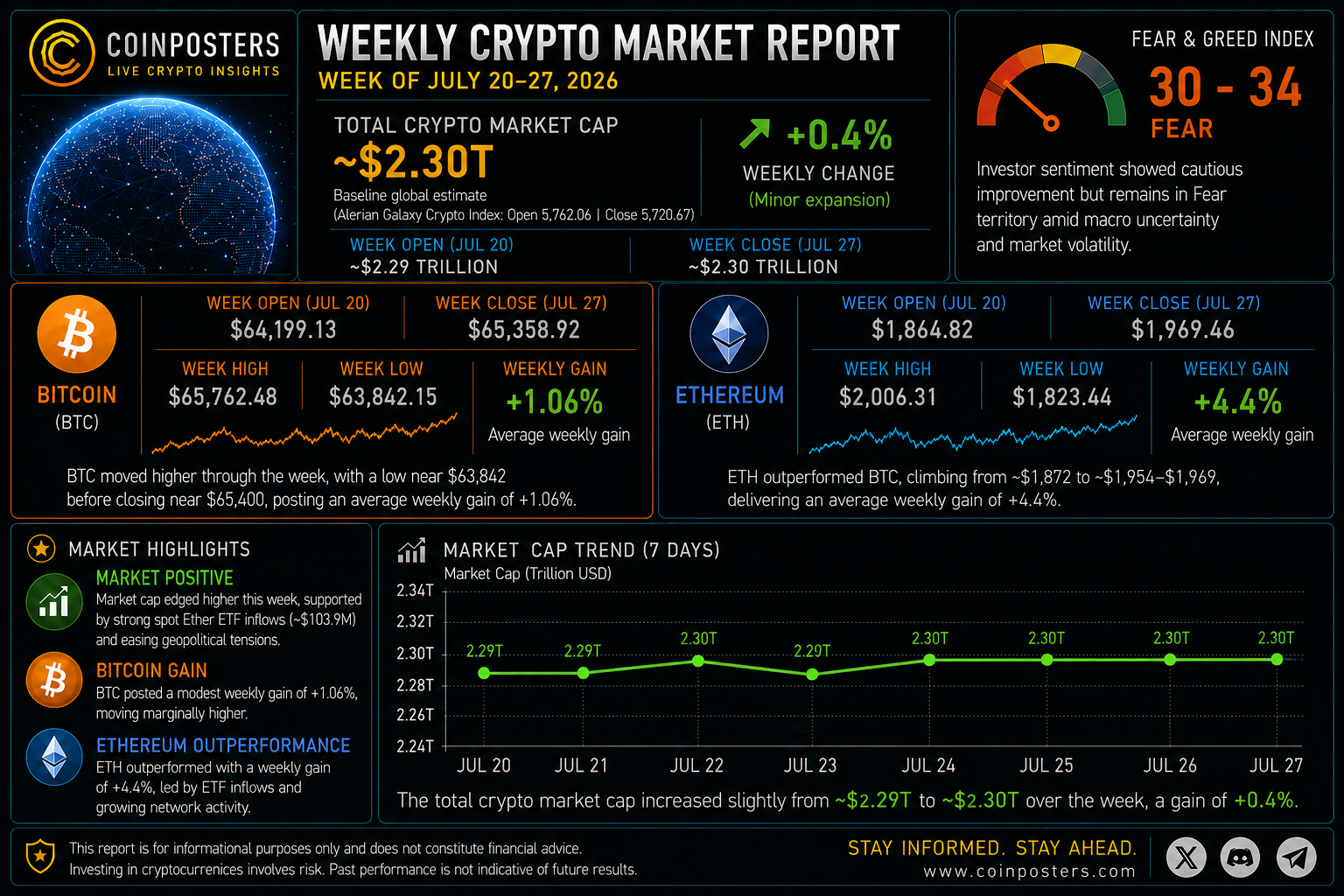
There’s no universal answer, but a practical starting point is a hybrid approach: check your allocations monthly, and only execute trades when an asset has drifted more than 5% to 10% from its target weight. This reduces unnecessary trades while keeping your portfolio calibrated. In highly volatile periods, your thresholds may be breached more frequently, that’s expected. In calmer markets, you may go several months without needing to rebalance at all. Frequency should be driven by drift, not by a rigid schedule. For a deeper understanding of market trends, you might want to explore the crypto market report.
Does rebalancing guarantee better returns in crypto?
No, rebalancing does not guarantee better returns. What it does is systematically manage risk and prevent unintended concentration. In strongly trending bull markets, a pure HODL strategy in the leading asset will often outperform a rebalanced portfolio in raw percentage terms. Rebalancing earns its value over full market cycles, bull and bear, by locking in gains at highs and maintaining diversification through downturns. Think of it as a risk management tool first, and a return enhancement tool second.
Can I rebalance a crypto portfolio without triggering taxes?
In most jurisdictions, any sale or swap of crypto assets, including trading one crypto for another, is a taxable event. However, there are strategies to minimize the tax impact of rebalancing. First, prioritize rebalancing within tax-advantaged accounts such as a self-directed crypto IRA, where trades don’t trigger immediate capital gains. Second, time your rebalancing trades to ensure assets have been held for longer than 12 months, qualifying for long-term capital gains rates. Third, use tax-loss harvesting to offset rebalancing gains with losses elsewhere in your portfolio.
Another approach is to minimize rebalancing frequency by using wider threshold bands, say, 10% instead of 5%, so you’re only trading when drift is substantial. Fewer trades mean fewer taxable events. Some investors also direct new capital contributions toward underweight assets instead of selling overweight ones, achieving rebalancing without triggering a taxable disposal at all. This is one of the most tax-efficient rebalancing methods available and works particularly well during accumulation phases.
It’s worth noting that the regulatory landscape around crypto taxes is evolving rapidly. Wash-sale rules, which prohibit repurchasing a “substantially identical” asset within 30 days of selling it at a loss, currently apply to stocks but not explicitly to crypto in the U.S., though legislative changes are being discussed. Always consult a qualified tax professional familiar with digital assets before making rebalancing decisions with significant tax implications.
What percentage shift should trigger a portfolio rebalance?
Most portfolio management frameworks suggest a 5% drift threshold as a starting point, meaning if any asset’s weight moves more than 5 percentage points above or below its target, you rebalance it back. In crypto, where 20% to 30% price swings in a week are not unusual, some investors use wider bands of 10% to give positions more room to run before triggering a trade. Tighter bands mean more frequent rebalancing and higher transaction costs; wider bands mean less friction but more prolonged exposure to drift. Test your threshold against your portfolio’s historical volatility and adjust from there.
Is the HODL strategy still effective in today’s crypto market?
Yes, particularly for Bitcoin and Ethereum, which have demonstrated consistent long-term appreciation across multiple market cycles. Bitcoin’s four-year halving cycles have historically produced new all-time highs following each halving event, and long-term HODLers who held through the 2018, 2020, and 2022 bear markets were rewarded significantly. The strategy remains effective precisely because most retail investors can’t outperform it with active trading over comparable time horizons.
That said, HODLing a poorly constructed portfolio, one heavy in low-cap altcoins without periodic review, is not the same as HODLing Bitcoin or Ethereum. Many altcoins from the 2017 and 2021 bull markets never recovered their all-time highs. Asset selection matters enormously in a passive strategy, because when you’re not actively managing, the quality of what you hold becomes your primary defense against permanent loss of capital.
The HODL strategy works best when paired with a clear entry framework, high-conviction asset selection focused on fundamentally strong projects, and the psychological resilience to hold through 50% to 80% drawdowns without panic-selling. For investors who have those three elements in place, it remains one of the most reliable approaches in the crypto space, and for many, it outperforms everything else simply by staying in the game long enough for the market to do its work.
DYOR Disclaimer
This article is for informational purposes only and does not constitute financial, investment, or tax advice. Crypto portfolio rebalancing decisions have real tax consequences that vary by jurisdiction. Always do your own research (DYOR) and consult a qualified financial and tax professional before making any investment decisions.