2026 Bitcoin mining profitability
ASIC mining profitability
Bitcoin halving 2024 impact
Bitcoin mining breakeven
Bitcoin mining profitable 2026
Bitcoin mining still worth it
Bitmain S21 Pro profitability
cloud mining risks
crypto mining ROI
hashprice mining metric
home mining vs hosted mining
is Bitcoin mining worth it
mining calculator guide
mining difficulty 2026
mining electricity costs US
mining hardware depreciation
mining hardware ROI
mining power costs 2026
mining regulations US 2026
mining tax treatment 2026

Coinposters
Crypto Mining Profitability 2026: Is Bitcoin Mining Still Worth It?
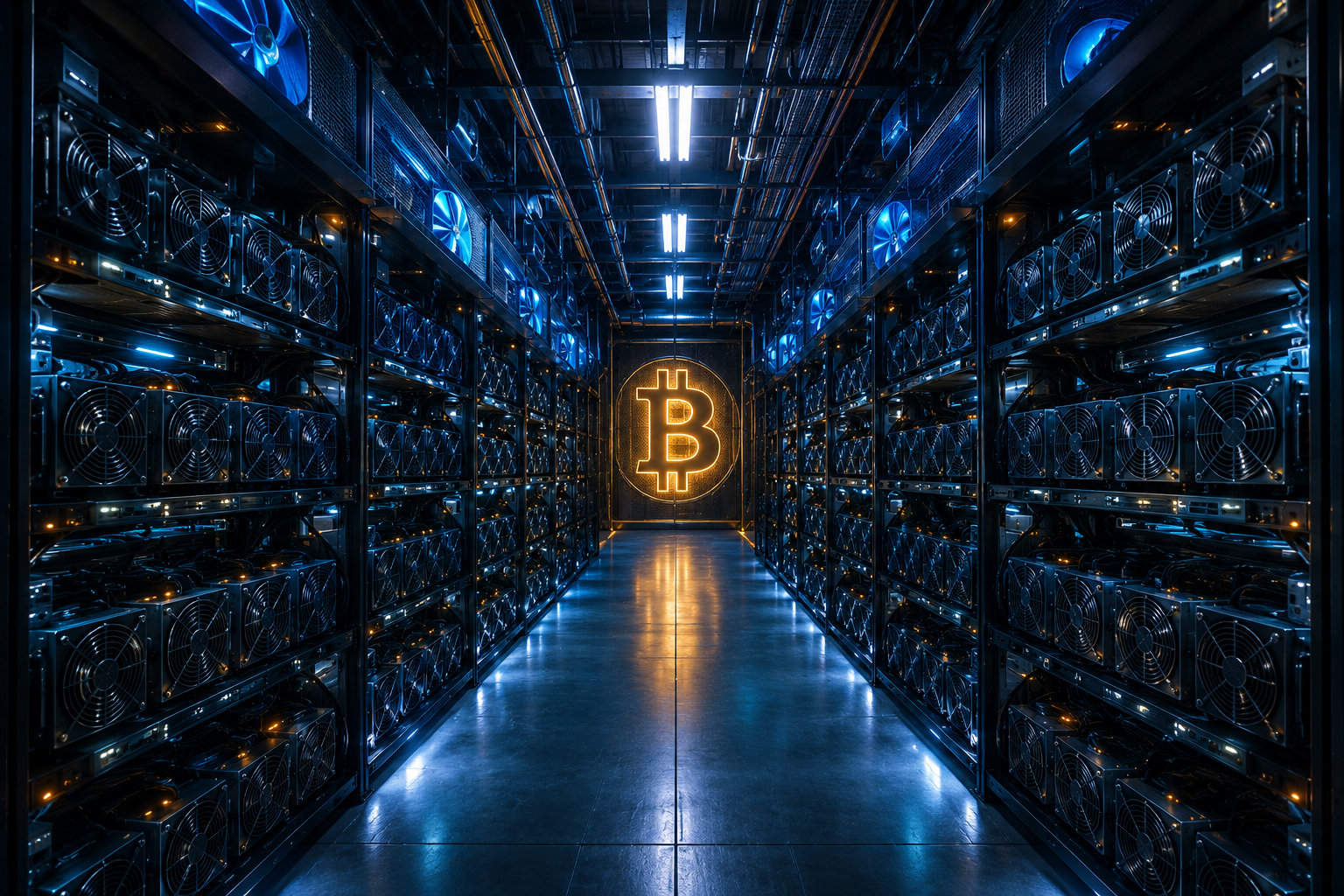
In 2026: Is Bitcoin Mining Still Worth It? The answer depends entirely on your power rate, hardware efficiency, and whether you are comparing mining to buying Bitcoin directly — because the economics have shifted dramatically since the April 2024 halving cut block rewards in half. For most US home miners on residential electricity, the honest answer is no — but for operators with access to cheap industrial power and efficient hardware, meaningful profitability remains.
Article at a Glance
- Bitcoin mining is still profitable in 2026, but only for operators running hardware under 20 J/TH with electricity costs below $0.10/kWh — everyone else is likely losing money.
- The April 2024 halving cut block rewards to 3.125 BTC, permanently compressing margins and forcing miners to optimize every variable or exit the market.
- Industrial-scale miners are running 20–50% margins in 2026, while most US home miners on residential power rates of $0.16–$0.20/kWh are operating at a loss.
- The next halving in 2028 will drop the reward to 1.5625 BTC — meaning hardware investment decisions made today need to account for that future squeeze.
- There is still a path to profit for US miners, but it runs through low-cost power states, efficient ASIC hardware, and a clear-eyed look at the numbers before spending a dollar.
Table of Contents
- Bitcoin Mining Is Still Profitable in 2026, But Only If You Do This
- How Bitcoin Mining Actually Makes Money
- The Real Cost to Mine One Bitcoin in 2026
- Home Mining vs. Hosted Mining: Which One Wins in 2026
- Best ASIC Miners for US Operators in 2026
- US Electricity Rates and Where to Mine Profitably
- Bitcoin Mining Profitability Calculator: How to Run the Numbers
- Is Cloud Mining Worth It in 2026
- Bitcoin Mining Regulations US Miners Must Know in 2026
- Mining Bitcoin vs. Buying Bitcoin: Which Path Builds More Wealth
- Frequently Asked Questions
Bitcoin Mining Is Still Profitable in 2026, But Only If You Do This
The profitable miners in 2026 share three things: power costs under $0.10/kWh, ASIC hardware rated under 20 joules per terahash, and consistently high uptime. Strip away any one of those and the math gets painful fast. Industrial operators who locked in cheap energy contracts before the halving are currently running margins between 20% and 50%, depending on their specific hardware stack and hosting arrangements.
Home miners using residential electricity — which averages $0.16 to $0.20/kWh across most US states — are in a different situation entirely. At those rates, most setups are generating revenue that does not cover operating costs, let alone hardware depreciation. The breakeven line in 2026 sits squarely around $0.10/kWh when running current-generation S21-class equipment.
Quick Profitability Snapshot — 2026
🟢 Under $0.08/kWh + sub-15 J/TH hardware: Strong margins (20–50%)
🟡 $0.08–$0.10/kWh + current-gen ASIC: Breakeven zone — manageable with optimization
🔴 $0.16–$0.20/kWh (US residential average): Operating at a loss in most cases
⚠️ Next halving (2028): Reward drops to 1.5625 BTC — plan hardware cycles now
The core lesson here is that profitability in 2026 is not binary. It is a spectrum determined by your specific inputs. Bitcoin’s price matters, but it is not the only lever — and for most operators, it is not even the most controllable one.
The April 2024 Halving Changed Everything
Every four years, Bitcoin’s protocol cuts the block reward miners receive in half. The April 2024 halving was the fourth time this happened, dropping the reward from 6.25 BTC to 3.125 BTC per block. That single event cut mining revenue in half for every operator on the network simultaneously — with no adjustment period and no warning beyond the scheduled date. Miners who were not already running lean operations felt it immediately in their margins.
What followed was a period of hashprice compression — the revenue earned per unit of hashing power declined as the network adjusted. Weaker, less efficient miners started shutting off equipment because it was no longer worth the electricity cost to keep it running. That dynamic is exactly how the halving is supposed to work: it accelerates the exit of inefficient operations and leaves a leaner, more competitive network behind.
Where the Profit Line Sits Right Now
In mid-2026, Bitcoin’s network hashrate has climbed above 900 exahashes per second (EH/s), which is a direct reflection of how much industrial-grade hardware is online. More hashrate means more competition for each block reward. The profit line today is defined by your power rate relative to your hardware efficiency — and the gap between winners and losers has never been wider.
Why US Miners Face a Unique Set of Challenges
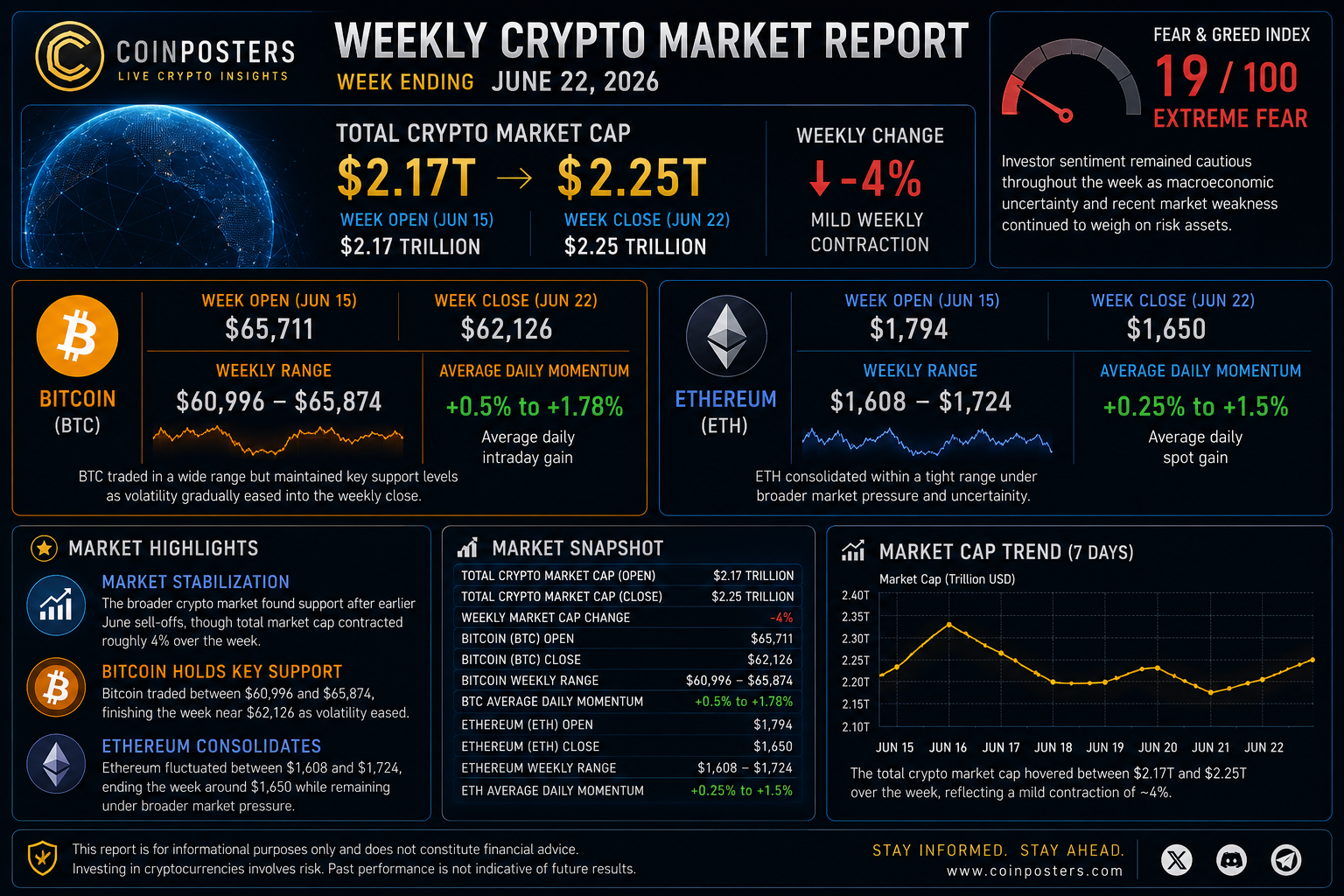
US miners are operating inside one of the most complex regulatory and energy pricing environments in the world. Residential electricity rates are among the highest of any major mining region globally, federal tax treatment of mined Bitcoin adds accounting complexity, and state-level zoning rules vary wildly from Texas to New York. Despite those headwinds, certain US states — particularly in the South and Midwest — still offer industrial power rates competitive with international benchmarks, which is where most serious domestic operators are concentrated. For those interested in the latest trends, the crypto market report provides insights into Bitcoin’s consolidation in the market.
How Bitcoin Mining Actually Makes Money
Bitcoin mining generates revenue through two mechanisms: block rewards and transaction fees. Every time a miner successfully adds a block to the blockchain — roughly every 10 minutes across the entire network — they collect both the fixed block reward and all the transaction fees attached to the transactions in that block. In 2026, with the block reward at 3.125 BTC, transaction fees have taken on more financial weight than they held in earlier cycles, especially as miners explore trusted crypto exchanges to maximize their earnings.
Block Rewards vs. Transaction Fees in 2026
Transaction fees fluctuate based on network congestion. During high-activity periods — major market moves, Ordinals activity, or protocol upgrades — fees can spike meaningfully and add real dollars to a miner’s daily revenue. During quiet periods, fees are a smaller slice of total income. For large mining operations processing thousands of blocks collectively through pools, fee revenue smooths out over time. For solo miners, fee variance is a genuine wildcard that makes revenue forecasting harder.
What Hashprice Tells You That Price Alone Cannot
Hashprice is the single most useful metric for understanding mining profitability in real time. It measures how much revenue one terahash per second (TH/s) of mining power earns per day, combining Bitcoin’s price, the block reward, total network difficulty, and transaction fee levels into one number. When Bitcoin’s price rises but difficulty rises faster, hashprice can actually fall — meaning miners earn less even as the asset they are mining becomes more valuable. Tracking hashprice rather than just Bitcoin’s spot price gives operators a far more accurate read on whether their operation is actually in the money.
The Real Cost to Mine One Bitcoin in 2026
Mining profitability is not just about revenue — it is about what you spend to generate that revenue. The total cost stack for a mining operation in 2026 includes electricity, hardware acquisition and depreciation, cooling and maintenance, and pool fees. Each of those inputs can quietly erode margins if left unmanaged, and together they determine whether a mining operation is a business or an expensive hobby. For insights into the broader market trends that may affect these costs, consider reading the crypto market report.
1. Electricity: The Number That Makes or Breaks You
Electricity is the dominant operating cost in Bitcoin mining, typically representing 60–80% of total expenses for an efficient operation. The formula is straightforward: take your hardware’s wattage, divide by 1,000, multiply by 24 hours, then multiply by your cost per kilowatt-hour to get your daily electricity spend. A single Bitmain Antminer S21 Pro drawing 3,500 watts at $0.08/kWh costs roughly $6.72 per day to run — compare that to its daily revenue output to know instantly whether it is profitable.
At $0.08/kWh, most current-generation ASICs produce positive cash flow. At $0.12/kWh, margins tighten to a point where only the most efficient machines stay in the green. At $0.16/kWh — the US residential average — the same hardware is operating at a loss in nearly every scenario at current hashprice levels. This is why power rate is not just one variable among many; it is the variable that determines whether everything else matters.
The Power Rate Reality Check
Locking in cheap power through industrial contracts, co-location hosting deals, or proximity to stranded energy sources like flared natural gas or curtailed renewables is the single highest-leverage move any US miner can make in 2026.
Everything else is secondary.
2. ASIC Hardware Cost and Depreciation
Current-generation ASIC miners like the Bitmain Antminer S21 Pro or MicroBT Whatsminer M60S carry price tags ranging from $2,000 to over $5,000 per unit depending on market conditions and bulk purchase pricing. Hardware depreciates quickly in mining — newer, more efficient models enter the market regularly, and older machines get priced out by rising difficulty. Operators need to factor the full purchase cost across an estimated useful life (typically 2–4 years for top-tier hardware) when calculating true profitability.
3. Cooling, Maintenance, and Downtime
ASIC miners generate substantial heat and run continuously, which means cooling infrastructure is not optional — it is a core operational cost. Industrial immersion cooling systems, while expensive upfront, can improve efficiency and extend hardware lifespan meaningfully. Unplanned downtime from equipment failure or power interruptions directly cuts into revenue, and a machine sitting idle during a high-hashprice window is a cost that never shows up on a power bill but hits the bottom line just as hard.
4. Pool Fees and Network Difficulty
Most miners join mining pools to smooth out the variance of solo block discovery, and pools charge fees typically ranging from 1% to 3% of mining revenue. That sounds small, but on a large operation it adds up to real money monthly. Network difficulty — which adjusts every 2,016 blocks to keep block times near 10 minutes — is the other cost factor that miners cannot control. As more hashrate joins the network, difficulty rises, and each individual miner’s share of the reward shrinks proportionally. With network hashrate now above 900 EH/s, difficulty is at historically high levels, which is why hardware efficiency measured in joules per terahash matters more than raw hashrate output.
Home Mining vs. Hosted Mining: Which One Wins in 2026
The choice between running hardware at home and paying for hosted mining space is one of the most consequential decisions a US miner can make in 2026. It is not just about convenience — it is about whether your operation can reach the power costs and uptime levels that profitability actually requires. For most US residents, the honest answer points strongly in one direction. If you want to stay informed on the latest trends, check out the Crypto Market Report for the most recent analysis.
Home mining feels appealing because it puts you in direct control of your hardware and eliminates hosting fees. But control over hardware means nothing if your electricity rate is working against you from day one. Hosted mining flips that equation by trading some control for access to industrial power rates that home miners simply cannot replicate through a residential meter.
What Home Mining Actually Costs US Residents
The average US residential electricity rate sits between $0.16 and $0.20/kWh depending on state and season. Running a single Bitmain Antminer S21 Pro at 3,500 watts on $0.18/kWh electricity costs approximately $15.12 per day — just in power. At current hashprice levels, that machine generates somewhere in the range of $10 to $14 per day in revenue depending on Bitcoin’s price and network difficulty. The math does not clear. Add in noise complaints, heat management challenges in a residential space, and the wear on home electrical systems, and the picture gets worse before it gets better.
How Hosted Mining Changes the Math
Hosted mining facilities — also called co-location or colo operations — give miners the ability to place their own hardware inside industrial data centers that have negotiated bulk power rates, often between $0.04 and $0.08/kWh. That same S21 Pro running at $0.06/kWh costs roughly $5.04 per day in electricity instead of $15.12. The hosting fee typically adds another $1 to $2 per day per machine, but the net operating position is dramatically better. For US miners who own their hardware but cannot access cheap local power, co-location is often the most direct path to profitability.
When Home Mining Still Makes Sense
Home mining is not dead for every US operator — it just requires the right circumstances. If you have access to genuinely cheap electricity through a rural cooperative, a net metering arrangement with solar panels, or a time-of-use rate plan with very low off-peak pricing, the numbers can work. Some miners in states like Wyoming, Idaho, or parts of Texas find residential or semi-commercial power rates low enough to stay marginally profitable with efficient hardware.
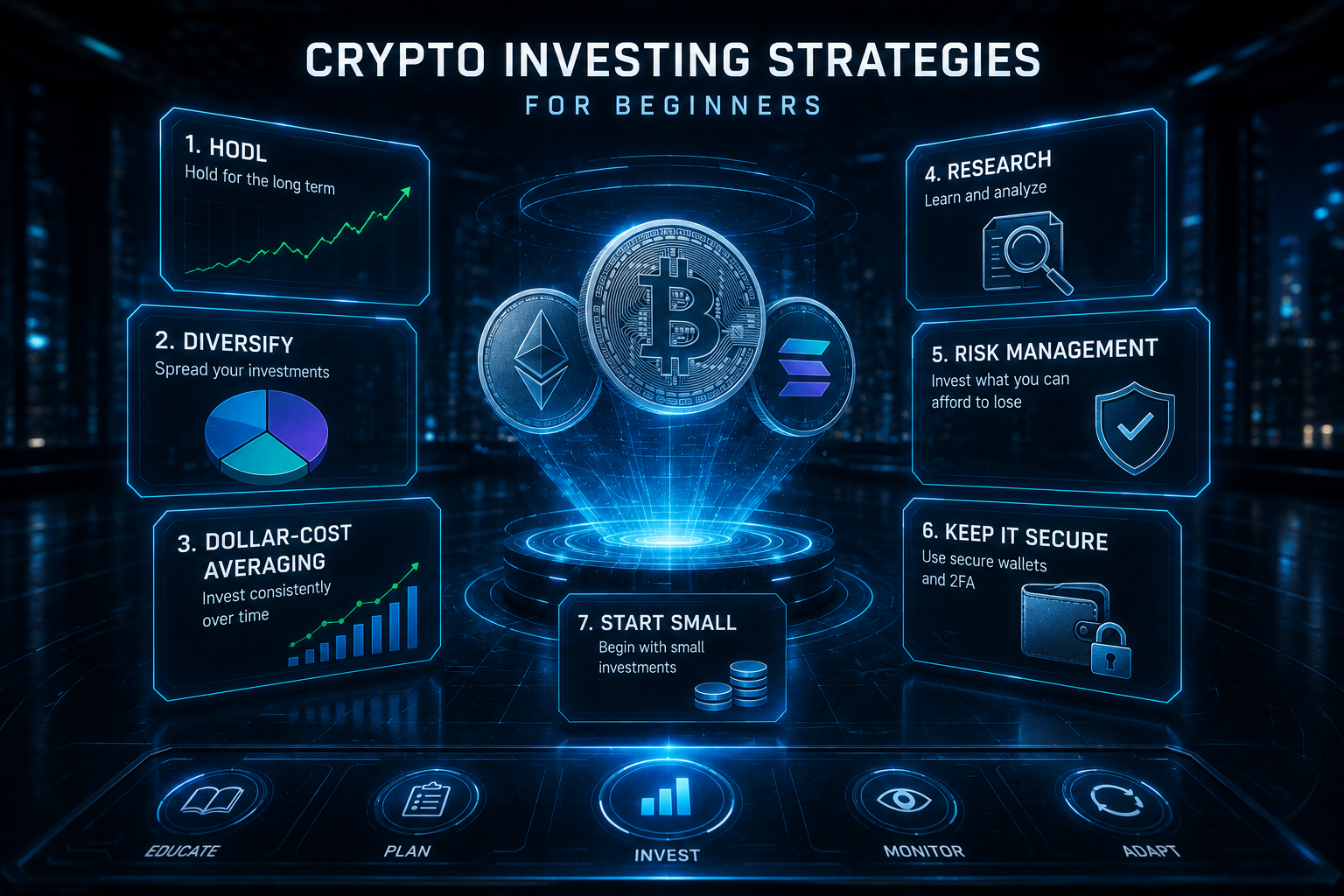
There is also a use case for mining as a heat offset strategy — running one or two ASICs in a garage or workshop space where the heat output displaces propane or electric heating costs in winter months. In that scenario, the effective electricity cost of mining is reduced by what you would have spent on heat anyway, which can tip a marginally unprofitable setup into positive territory during colder months. For those interested in exploring more about cryptocurrency investments, here’s a guide on how beginners can invest in cryptocurrency.
Additionally, some miners simply value the sovereignty of holding and controlling their own hardware without trusting a third-party facility. For those operators, the premium paid in higher electricity costs is a deliberate tradeoff, not an oversight. That is a valid choice — as long as it is made with clear eyes on what it actually costs. For secure storage of mined assets, operators may consider using one of the safest hardware wallets available in 2026.
| Factor | Home Mining | Hosted Mining |
|---|---|---|
| Typical Power Rate | $0.16–$0.20/kWh | $0.04–$0.08/kWh |
| Daily Power Cost (S21 Pro) | ~$13–$17 | ~$3–$7 (incl. hosting fee) |
| Hardware Control | Full | Partial (third-party managed) |
| Setup Complexity | High (heat, noise, electrical) | Low (facility handles infrastructure) |
| Uptime Reliability | Variable | High (industrial-grade systems) |
| Profitability Potential in 2026 | Low for most US residents | Moderate to strong with efficient hardware |
Best ASIC Miners for US Operators in 2026
Hardware selection is where profitability gets locked in or lost before a single block is mined. In 2026, the efficiency benchmark that separates competitive machines from money-losers sits at approximately 20 joules per terahash — and the top machines are pushing well below that threshold.
Bitmain Antminer S21 Pro: The Current Benchmark
The Bitmain Antminer S21 Pro delivers around 234 TH/s at approximately 15 J/TH, making it one of the most efficient air-cooled ASIC miners available to US operators in 2026. At industrial power rates, it generates meaningful positive cash flow and has become the de facto standard for new deployments at serious mining facilities. Its acquisition cost has stabilized in the $3,500 to $4,500 range depending on market timing and order volume, with ROI timelines running between 12 and 24 months at sub-$0.08/kWh power.
MicroBT Whatsminer M60S: The Competitor Worth Considering
The MicroBT Whatsminer M60S runs at roughly 186 TH/s with an efficiency rating around 18.5 J/TH, placing it in the same competitive tier as the S21 Pro. MicroBT has built a reputation for hardware durability and strong after-sales support, which matters when a failed machine means lost revenue every hour it sits offline. The M60S typically comes in slightly under the S21 Pro on price per terahash, making it an attractive option for operators building out larger fleets where bulk pricing and reliability track record carry real weight.
Comparing both machines side by side, the differences are marginal at the individual unit level — but at scale, even small efficiency gaps compound into significant monthly revenue differences. A 100-unit deployment running the S21 Pro versus the M60S at 18.5 J/TH represents a meaningful spread in electricity spend per month, which at $0.07/kWh can translate to thousands of dollars in additional profit annually.
Hardware Selection Guidelines for 2026
Bitmain Antminer S21 Pro: ~234 TH/s, ~15 J/TH, best-in-class air-cooled efficiency, $3,500–$4,500 per unit
MicroBT Whatsminer M60S: ~186 TH/s, ~18.5 J/TH, strong durability record, competitive bulk pricing
Avoid sub-25 J/TH legacy hardware: Older generation machines like the S19 series are increasingly uncompetitive at current difficulty levels
Immersion-cooled variants: Both manufacturers offer immersion-ready versions that push efficiency further, relevant for large-scale deployments
Before committing to any hardware purchase, run the full ROI calculation using current hashprice data rather than optimistic Bitcoin price projections. Hardware decisions made on hoped-for price appreciation instead of current operating economics are how miners end up with expensive paperweights when the market moves sideways.
How to Calculate ROI Before You Buy Any Machine
The calculation is not complicated, but it has to be done honestly. Take your machine’s daily revenue — pulled from a current mining profitability calculator using real-time hashprice — and subtract your daily electricity cost (watts ÷ 1,000 × 24 × your $/kWh rate) plus any hosting or pool fees. That number is your daily net profit. Divide the purchase price of the hardware by daily net profit to get your breakeven timeline in days. If that number is over 36 months, think carefully before committing capital.
The key mistake most new miners make is using an optimistic Bitcoin price assumption to make the numbers work. Use today’s price as your base case, model a 30% downside scenario, and only proceed if the operation survives both. Mining hardware is a depreciating asset in a competitive market — the machine you buy today will be less competitive in 18 months. Your ROI window needs to account for that reality, not ignore it.
US Electricity Rates and Where to Mine Profitably
Geography is destiny in Bitcoin mining. The US is a large country with wildly varying electricity costs — industrial rates in the cheapest states can be three to four times lower than rates in the most expensive ones. For a mining operation running dozens or hundreds of machines, that difference is the entire business model.
States With the Lowest Industrial Power Rates
The most competitive US states for Bitcoin mining in 2026 are concentrated in the South, Midwest, and parts of the Northwest — areas with abundant energy generation relative to local demand. Texas leads in terms of total mining activity, offering deregulated energy markets where miners can access wholesale power rates and participate in demand response programs that pay them to curtail operations during grid stress events, adding an additional revenue stream. Kentucky, Wyoming, Nebraska, and parts of Montana also offer industrial power rates that can support profitable mining operations, with some locations accessing rates as low as $0.03 to $0.05/kWh through direct utility agreements or co-location facilities already established in those regions.
How to Negotiate Better Power Rates as a Small Operator
Small operators rarely have the volume to negotiate directly with utilities the way large mining companies do — but that does not mean you are stuck with the standard tariff. Co-location facilities already have those power contracts in place, and buying rack space or hosting slots inside them effectively buys you access to their rate. For operators trying to set up their own small facility, approaching a rural electric cooperative rather than a major utility often opens more flexible conversations, particularly in agricultural regions where cooperatives have experience working with high-consumption customers on customized rate structures.
Time-of-use rate plans are another lever available to smaller operators in deregulated states. Running hardware primarily during off-peak hours — typically overnight and on weekends — can reduce effective power costs by 20% to 40% compared to peak rates on the same meter. Pairing that with smart power management software that automatically curtails machines during high-rate windows is how small operators in medium-cost states bridge the gap toward profitability without relocating their entire operation.
Bitcoin Mining Profitability Calculator: How to Run the Numbers
Every serious mining decision should start with a profitability calculator, and the inputs matter as much as the tool itself. Sites like CryptoCompare, NiceHash, and WhatToMine allow you to enter your hardware’s hashrate, power consumption, electricity cost, and pool fee to generate estimated daily, monthly, and annual profit figures. The most important discipline is using real current data — today’s Bitcoin price, today’s network difficulty, and your actual electricity rate — rather than projections that make the math look better than it is.
Run three scenarios every time: a base case using current conditions, a bear case with Bitcoin’s price 30–40% lower, and a difficulty increase scenario where network hashrate grows another 20% over the next six months. If your operation is profitable in all three, you have a resilient business. If it only works in the optimistic scenario, you are speculating on price recovery rather than running a mining operation. Those are two very different risk profiles, and the calculator is what forces you to see the difference clearly.
Is Cloud Mining Worth It in 2026
Cloud mining — where you pay a company to mine Bitcoin on your behalf using their hardware and infrastructure — sounds like the easiest entry point into Bitcoin mining. No hardware to buy, no power bill to manage, no noise or heat. That simplicity is real. But so are the significant risks that most cloud mining platforms do not volunteer upfront when you are browsing their contract options.
The core problem with cloud mining in 2026 is that the economics rarely favor the buyer. Contract prices are set by the platform based on current hashprice, which means they have already priced in their profit margin before you sign up. When Bitcoin’s price rises and mining becomes more valuable, your fixed-rate contract captures some of that upside — but the platform captures most of it. When hashprice falls, you keep paying the contract fee while your daily returns shrink. The space also has a documented history of fraudulent operators running exit scams or Ponzi structures, which means due diligence on the company’s legitimacy is not optional. For most US miners who can access hardware and even modest co-location arrangements, owning physical ASICs almost always beats a cloud mining contract on a risk-adjusted return basis over a 12-to-24-month horizon.
How Cloud Mining Contracts Work
Cloud mining contracts are essentially rental agreements for hashing power. You pay a platform — typically in Bitcoin or USD — for a set amount of TH/s over a fixed contract period, usually 12 to 36 months. The platform handles all hardware, maintenance, cooling, and electricity on their end. Your account receives daily payouts calculated against the hashing power you purchased, minus a maintenance fee that covers the platform’s operating costs. It sounds clean on paper, and operationally it can be — but the financial structure is where things get complicated. For those interested in spending Bitcoin, exploring crypto debit cards might offer additional ways to utilize your earnings.
The Risks Most Cloud Mining Sites Hide From You
The first risk is contract pricing. Cloud mining platforms set their contract rates based on current market conditions, which means they have already baked in their margin before you click purchase. You are essentially buying a derivative of mining revenue at retail pricing in a market where industrial operators are running at wholesale cost. The spread between what you pay and what the platform earns is their profit — and it comes directly out of your potential returns. For those looking to invest in cryptocurrency with low-risk strategies, understanding these risks is crucial.
The second risk is platform legitimacy. The cloud mining space has an extensive and well-documented history of fraud. Platforms have disappeared overnight with customer funds, run Ponzi structures where early payouts were funded by new signups rather than actual mining revenue, and misrepresented their physical infrastructure. Before sending a dollar to any cloud mining service, verify proof of their mining facilities, check independent reviews from sources outside their own marketing materials, and treat any guaranteed return promise as an immediate red flag. No legitimate mining operation can guarantee returns in a market as volatile as Bitcoin.
Bitcoin Mining Regulations US Miners Must Know in 2026
The US regulatory environment for Bitcoin mining in 2026 is more defined than it was two years ago, but it is still far from uniform. Federal and state-level rules interact in ways that create real operational complexity for miners — particularly around energy consumption reporting, tax obligations, and local zoning restrictions. Understanding these requirements is not optional; it is part of running a compliant, sustainable operation.
At the federal level, the IRS has maintained its position that mined Bitcoin is taxable income at the moment of receipt, valued at fair market price on the day each block reward is earned. That means every single block reward or pool payout creates a taxable event — regardless of whether you sell the Bitcoin or hold it. When you eventually sell, you also owe capital gains tax on any appreciation from your original cost basis. The accounting burden this creates for active miners is significant and requires either dedicated software or a tax professional familiar with crypto-specific treatment.
On the energy side, the federal government and several states have pushed for greater transparency around large-scale mining operations’ energy consumption. While a broad federal mining tax has not been enacted as of 2026, the discussion has not gone away, and operators running at industrial scale should be monitoring legislative developments closely. Energy-intensive operations in regulated utility territories may also face demand charge structures that dramatically increase effective power costs beyond the simple per-kWh rate.
Tax and Regulatory Checklist for US Miners
IRS treatment: Mined Bitcoin is ordinary income at fair market value on the date received — every payout is a taxable event
Capital gains: Selling mined Bitcoin triggers a separate capital gains event based on appreciation from your cost basis at receipt
Self-employment tax: Miners operating as a business (not a hobby) may owe self-employment tax on net mining income
State income tax: Varies by state — some states with no income tax (Texas, Wyoming) offer additional advantage to miners
Energy reporting: Large-scale operations in certain states may face mandatory energy consumption disclosure requirements
Zoning restrictions: Residential and light commercial zoning prohibits commercial mining in many municipalities due to noise and electrical load
Record-keeping is not glamorous, but it is what protects a mining operation from an IRS audit turning into a financial catastrophe. Every pool payout, every hardware purchase, every electricity bill, and every sale of mined Bitcoin needs to be documented with dates and USD values at time of transaction. Mining tax software like CoinLedger or Koinly can automate much of this, and the cost is trivial relative to the liability it manages.
Federal Tax Treatment of Mined Bitcoin
The IRS classifies Bitcoin mining income as ordinary income, not capital gains, at the point of receipt. This means if your mining pool pays out 0.005 BTC on a day when Bitcoin is trading at $80,000, you have $400 of ordinary income to report — even if you never touch that Bitcoin for two years. When you eventually sell or spend that Bitcoin, the difference between $400 (your cost basis) and the sale price is then taxed as a capital gain, either short-term or long-term depending on your holding period. Mining operators running at scale need a tax strategy built around this structure, not discovered at tax time.
State-Level Energy and Zoning Rules That Affect Miners
State-level regulation varies dramatically across the US. Texas has positioned itself as the most mining-friendly state through its deregulated energy market, minimal regulatory barriers, and active engagement between grid operators and large mining facilities through demand response programs. Wyoming has passed legislation clarifying the legal status of digital assets and offers a favorable tax environment. On the opposite end, New York’s moratorium on certain fossil-fuel-powered mining operations — passed in 2022 — remains a significant constraint for operators in that state, and several other northeastern states have explored similar restrictions.
Zoning is a practical constraint that catches many new miners off guard. Running commercial-scale mining equipment in a residential zone is prohibited in most US municipalities — the noise output of multiple ASICs operating continuously can exceed local ordinances, and the electrical load can trigger utility scrutiny. Before scaling beyond one or two machines at a home address, check local zoning codes and HOA rules, and consider whether a light industrial or commercial property makes more operational and legal sense for your intended scale.
Mining Bitcoin vs. Buying Bitcoin: Which Path Builds More Wealth
This is the question that cuts to the core of why anyone considers mining in the first place. If you have $10,000 to deploy into Bitcoin exposure, the honest comparison is between spending that $10,000 on ASIC hardware to mine Bitcoin over time versus simply buying $10,000 worth of Bitcoin directly. Mining gives you a stream of Bitcoin earned over time, with the dollar cost of each coin determined by your operating costs — effectively a form of dollar-cost averaging with operational overhead attached. Buying Bitcoin directly gives you immediate, full exposure to price appreciation with no operational complexity, no equipment depreciation risk, and no electricity bill. For most US residents paying residential power rates, direct purchase of Bitcoin has outperformed mining on a risk-adjusted basis over most comparable periods in recent history. Mining wins when you have access to genuinely cheap power, efficient hardware, and the operational discipline to run a tight operation — it is a business, not a passive investment, and it should be evaluated as one.
Frequently Asked Questions
Bitcoin mining in 2026 generates more questions than most topics in the crypto space — because the answers depend so heavily on individual circumstances. The questions below address the most common decision points US miners face when evaluating whether to enter or continue in the space.
The core variables that determine every answer are the same ones that drive profitability: power rate, hardware efficiency, Bitcoin’s price, and network difficulty. Understanding how those inputs interact is what separates miners who make informed decisions from those who learn expensive lessons after the fact.
What Is the Minimum Power Rate Needed to Mine Bitcoin Profitably in 2026?
The minimum power rate for profitable Bitcoin mining in 2026 is approximately $0.10/kWh when running current-generation hardware rated at 15 to 18 J/TH, such as the Bitmain Antminer S21 Pro or MicroBT Whatsminer M60S. At that rate, margins are thin — roughly breakeven after pool fees depending on Bitcoin’s current price and network difficulty. To run with meaningful margin and resilience against price downturns, target power rates below $0.08/kWh. Industrial operators with rates under $0.05/kWh are the ones generating the strongest returns in 2026.
Can You Mine Bitcoin at Home in the US in 2026?
You can mine Bitcoin at home in the US in 2026 — but for most people in most states, it will cost more in electricity than it generates in mining revenue. The US residential average of $0.16 to $0.20/kWh puts home miners firmly in the loss column when running any current-generation hardware at current hashprice levels.
The exceptions are narrow but real: access to very cheap residential rates through rural cooperatives, net metering arrangements that reduce effective electricity costs, time-of-use plans with extremely low off-peak rates, or a use case where the machine’s heat output offsets another heating expense. Outside of those specific circumstances, hosted mining at an industrial facility is the more financially rational path for US-based operators who want to mine rather than simply buy Bitcoin.
How Long Does It Take to Break Even on an ASIC Miner in 2026?
Break-even timelines for ASIC miners in 2026 range from roughly 12 months at the most favorable power rates to 30 months or longer at mid-range rates — and some setups never break even before the hardware becomes obsolete. The calculation depends on four inputs that all need to be run with current data rather than optimistic projections. For those considering long-term investments, exploring how beginners can invest in cryptocurrency might provide additional insights into managing risks and returns.
How to Calculate Your Break-Even Timeline
Step 1: Calculate daily revenue using current mining profitability calculator (CryptoCompare, WhatToMine)
Step 2: Calculate daily electricity cost: (Hardware watts ÷ 1,000) × 24 hours × your $/kWh rate
Step 3: Subtract pool fees (1–3% from daily revenue)
Step 4: Calculate daily net profit: Revenue minus electricity minus pool fee
Step 5: Calculate break-even: Hardware purchase price ÷ daily net profit = break-even days
If break-even exceeds 24 months, stress-test against 30% Bitcoin price decline before committing capital
To calculate your specific break-even timeline, work through these steps in order. If your break-even timeline exceeds 24 months, stress-test the numbers against a 30% Bitcoin price decline before committing capital. Hardware that only breaks even under current conditions has very little margin for the market volatility that is a guaranteed feature of the Bitcoin space.
One additional factor worth building into your model is difficulty growth. If network hashrate continues climbing at its current pace, difficulty will increase over the next 12 months — which reduces your daily revenue even if Bitcoin’s price stays flat. Conservative models assume 10–20% difficulty growth annually; aggressive models assume more. Build in at least 15% to avoid being caught off guard.
What Happens to Mining Revenue When Bitcoin Prices Drop?
When Bitcoin’s price drops, mining revenue falls in direct proportion — because miners are paid in Bitcoin and that Bitcoin is worth less in USD terms. A 30% Bitcoin price decline produces approximately a 30% decline in daily USD revenue while electricity costs remain completely fixed. This is the asymmetric risk that makes mining fundamentally different from simply holding Bitcoin: your costs do not move with the market, but your income does. Efficient, low-cost operators can absorb significant price drops before hitting their shutdown threshold — the price at which it costs more to mine a Bitcoin than that Bitcoin is worth. Operators running at high power rates have almost no buffer and are the first to shut off machines when price declines compress hashprice below their breakeven point.
Is Bitcoin Mining Legal in All US States?
Bitcoin mining is legal at the federal level in the United States, and there is no federal prohibition on mining activity. However, state and local regulations create a patchwork of constraints that miners need to navigate carefully depending on where they operate.
New York is the most restrictive state for Bitcoin mining as of 2026, with a moratorium in place on new or significantly expanded fossil-fuel-powered mining operations under a law passed in 2022. The restriction targets the carbon footprint of proof-of-work mining and applies specifically to operations using carbon-based energy sources rather than renewables. Mining powered by certified renewable energy sources operates under different provisions in the state.
At the local level, zoning codes and noise ordinances present legal constraints that have nothing to do with Bitcoin specifically. A residential neighbor filing a noise complaint against a home mining operation in a residentially zoned area is enforcing general municipal code, not crypto-specific law — but the result for the miner is the same. Commercial-scale mining in a residential zone is a compliance risk in most US municipalities regardless of what state you are in.
For operators planning a serious mining business in 2026, the practical legal checklist includes confirming state energy regulations, verifying local zoning classification allows the intended operation, understanding utility interconnection requirements for large electrical loads, and ensuring proper business entity structure for tax purposes. The legal landscape is manageable — but it requires actual homework, not assumptions. If you are ready to run those numbers and build a real operation, the Bitcoin Foundation remains a credible starting point for staying current on regulatory developments that affect US miners at every scale.
The Bottom Line: 2026: Is Bitcoin Mining Still Worth It?
Bitcoin mining has evolved significantly from the early days of mining on personal computers. Today, it requires serious operational discipline, access to cheap power, and efficient hardware to remain profitable. Many people question whether it’s still viable in 2026 given rising electricity costs and increasing mining difficulty.
The honest answer is that mining is still worth it — but only if you meet the profitability criteria outlined in this guide. Advancements in ASIC technology and access to industrial power rates continue to attract serious operators. However, the margin for error has shrunk dramatically.
If you have access to sub-$0.08/kWh power and can run efficient, current-generation hardware, mining can generate meaningful returns. If you are operating on residential power rates, direct Bitcoin purchase almost always makes more financial sense than mining. Know your numbers before you commit capital — the calculator is what separates informed decisions from expensive mistakes.
DYOR Disclaimer: This article is for educational purposes only and should not be considered financial or investment advice. Bitcoin mining carries substantial financial, regulatory, and operational risks. Hardware costs, electricity expenses, market volatility, and difficulty adjustments make mining profitability highly dependent on specific circumstances. Always conduct your own research (DYOR) and consult with financial advisors, tax professionals, and legal experts before making mining decisions. Past profitability does not guarantee future results. The information reflects conditions as of 2026 and is subject to change as network difficulty, Bitcoin price, and regulatory environments evolve. Mining should only be undertaken with capital you can afford to lose entirely. Electricity rates and regulatory treatment vary significantly by jurisdiction — verify all applicable requirements in your specific location before deploying hardware or capital.