altcoin rewards
best crypto debit cards 2026
Bitcoin debit card
Bitcoin rewards
card rewards
cashback rewards crypto
Coinbase Card
crypto card cashback
crypto card comparison
Crypto debit cards
crypto spending
Crypto.com Visa Card
debit card vs credit card
digital currency cards
Fold Card
MetaMask Card
passive income crypto
self-custody card
spend cryptocurrency
Staking Rewards

Coinposters
Best Crypto Debit Cards 2026: Spend Bitcoin & Earn Passive Income Rewards
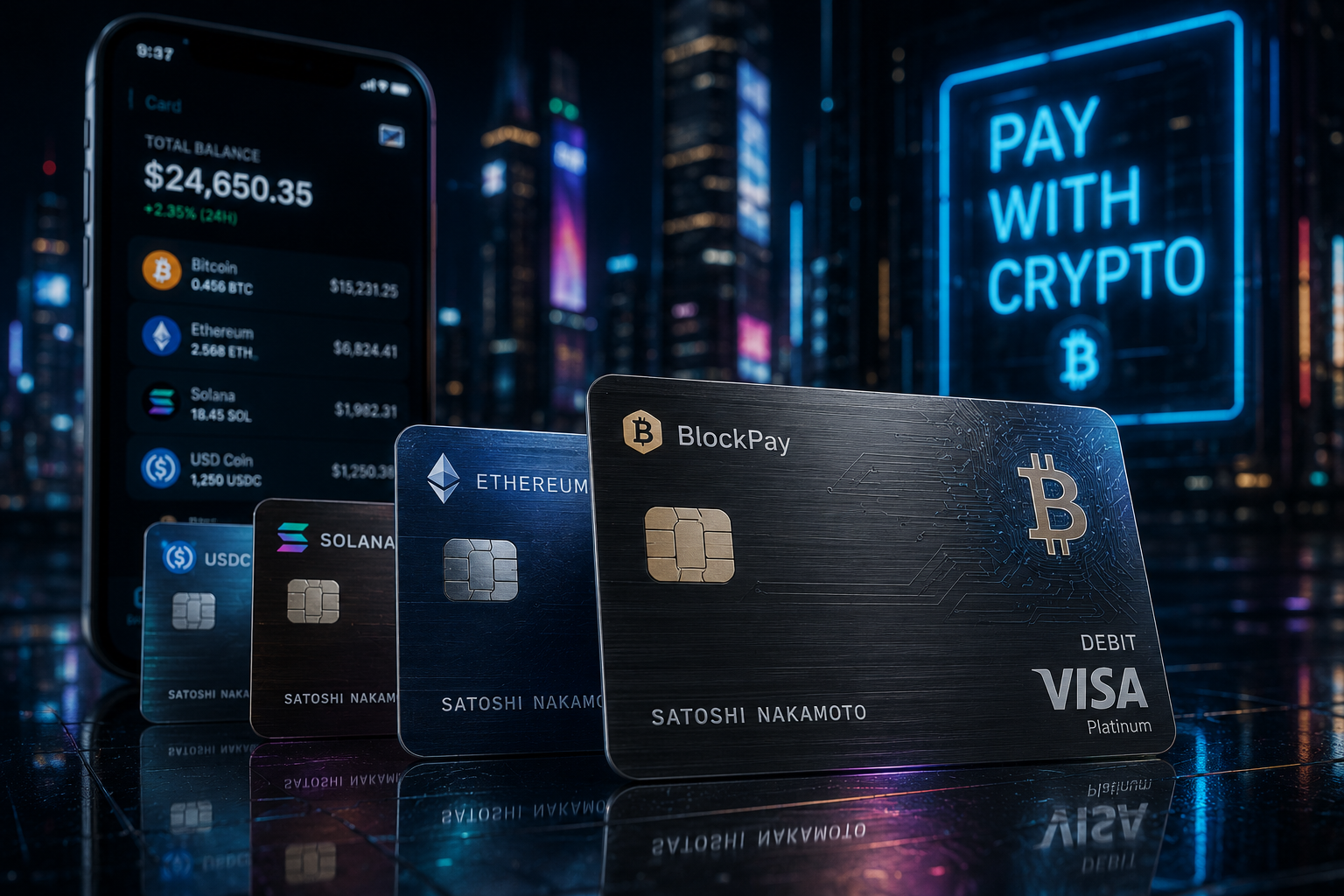
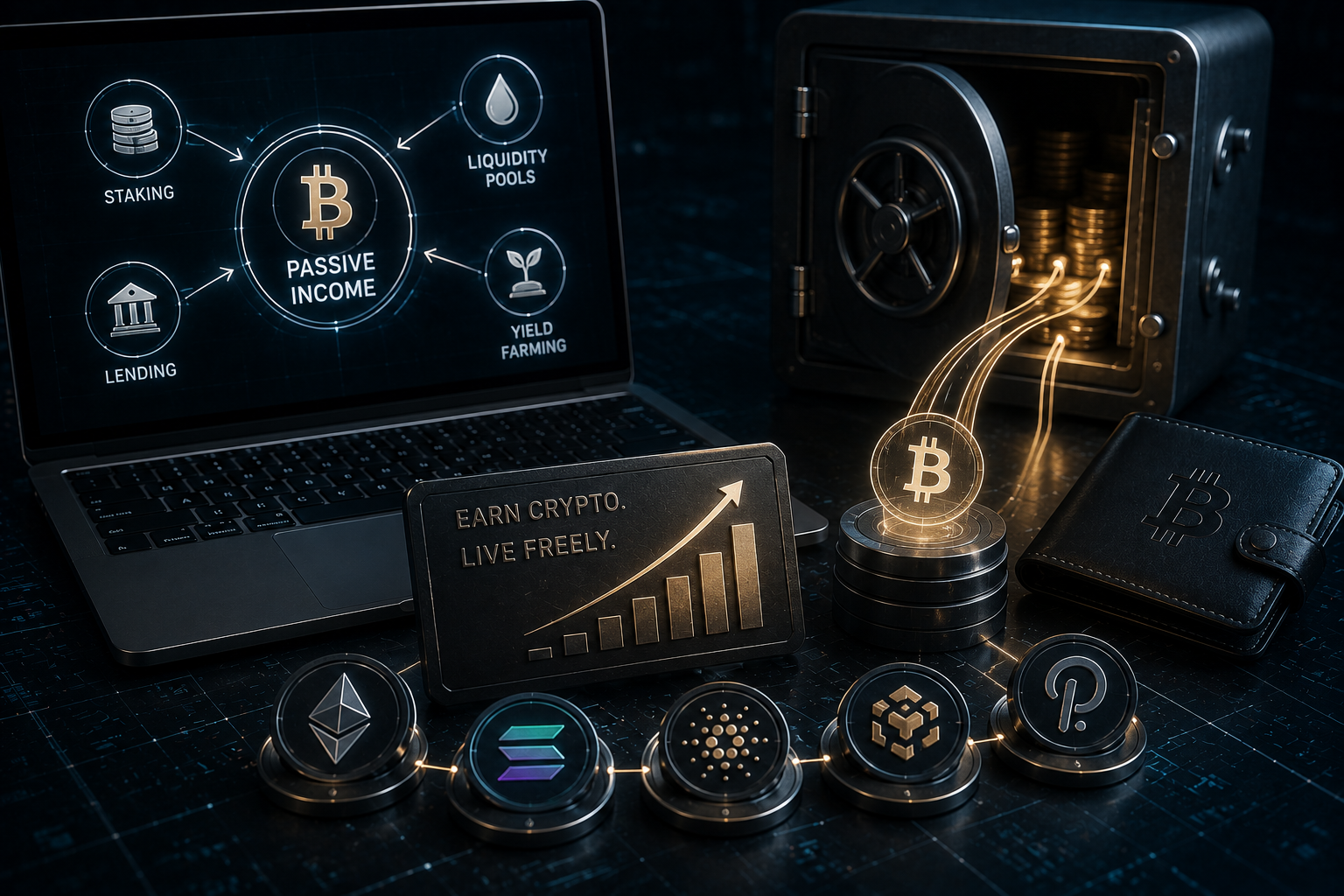
The best crypto debit cards in 2026 let you spend Bitcoin and altcoins anywhere Visa or Mastercard is accepted — automatically converting crypto to fiat at the point of sale while earning cashback rewards in crypto that can compound into meaningful passive income. Whether you prioritize maximum cashback, self-custody control, or tax-efficient spending, the right best crypto debit cards option turns every purchase into an opportunity to accumulate more crypto.
Key Takeaways: Best Crypto Debit Cards 2026
- •The best crypto debit cards offer 1-8% cashback in native tokens, Bitcoin, or user-selected crypto — but conversion spreads and staking costs can dramatically reduce actual returns.
- •Self-custody cards like MetaMask Card and 1inch Card let you spend crypto without handing your funds to an exchange — a game-changer for custody-conscious users.
- •Staking requirements lock up thousands of dollars just to unlock top reward tiers — opportunity cost analysis is critical before committing capital.
- •Geographic restrictions eliminate most cards before you compare features — Binance and Plutus cards are unavailable in the US; Fold is US-only.
- •The best crypto debit cards for passive income stack cashback with staking yields — combining multiple income streams on the same capital.
Article at a Glance: This comprehensive guide covers the 13 best crypto debit cards available in 2026, ranked by real-world use cases. You’ll discover why the best crypto debit cards require deep analysis beyond headline cashback rates, how self-custody cards eliminate exchange custodial risk, why staking requirements create hidden opportunity costs that many users overlook, and exactly how to stack card rewards with staking yields for maximum passive income. The guide includes detailed comparisons of 13 leading cards — from Crypto.com’s 5-tier system to MetaMask Card’s self-custody model — plus a decision framework that matches each card to specific spending volumes, geographic locations, and custody philosophies. Whether you’re a Bitcoin maximalist wanting sat-stacking through Fold Card, a yield-focused user stacking Nexo Card’s credit-backed model with staking income, or a DeFi native seeking true self-custody spending, this guide to the best crypto debit cards in 2026 provides the analysis you need to pick the right card for your situation.
Table of Contents
- The Best Crypto Debit Cards in 2026 Let You Spend and Earn at the Same Time
- How Crypto Debit Cards Work in 2026
- Crypto Debit Cards vs. Crypto Credit Cards
- What to Look for Before Picking a Card
- 1. Crypto.com Visa Card
- 2. Coinbase Card
- 3. Binance Visa Card
- 4. MetaMask Card
- 5. Bybit Card
- 6. Nexo Card
- 7. BitPay Mastercard
- 8. Wirex Card
- 9. Fold Card
- 10. Gemini Credit Card
- 11. Plutus Card
- 12. Brex Crypto-Linked Business Card
- 13. 1inch Card
- How to Pick the Right Crypto Debit Card for Your Situation
- The Passive Income Angle Most Crypto Card Users Miss
- Frequently Asked Questions
The right best crypto debit cards option turns every coffee, grocery run, and online purchase into a chance to earn Bitcoin or altcoin rewards — and in 2026, the options have never been more powerful or more varied. This guide covers 13 of the best crypto debit cards available in 2026, ranked by real-world use cases.
Whether you want maximum cashback, self-custody control, travel perks, or Bitcoin-only rewards, there is a card on this list built for how you actually spend.
The Best Crypto Debit Cards in 2026 Let You Spend and Earn at the Same Time
Crypto debit cards have moved well beyond the novelty stage. In 2026, they function as full-featured spending tools with reward structures that rival — and in many cases beat — traditional cashback credit cards. The key difference is that your rewards land in crypto, not airline miles or bank points that quietly expire.
How Crypto Debit Cards Work in 2026
When you swipe a crypto debit card, the card issuer pulls from your connected crypto balance and converts it to the local fiat currency in real time. The merchant sees a normal card payment. You never need to pre-convert your crypto manually. Most cards run on Visa or Mastercard rails, which means they work at hundreds of millions of merchants worldwide.
Some cards, like the BitPay Mastercard, require you to load a fiat balance in advance by converting your crypto inside the app before you spend. Others, like the Coinbase Card, convert at the moment of purchase directly from your crypto wallet. Self-custody cards like the MetaMask Card go even further — your funds stay in your own wallet until the exact moment a transaction is processed.
Crypto Debit Cards vs. Crypto Credit Cards: Which One Is Right for You
A crypto debit card spends value you already hold. A crypto credit card — like the Gemini Credit Card or Nexo Card in credit mode — lets you spend against a credit line, sometimes backed by your crypto as collateral. Debit cards are simpler, carry no interest risk, and are available in more countries. Credit cards can offer higher rewards tiers but introduce debt risk and credit checks. For most crypto holders in 2026, a debit or prepaid card is the lower-friction starting point.
What to Look for Before Picking a Card
- → Conversion spread: The hidden margin between market rate and card’s rate when converting crypto to fiat — often 0.5% to 2%
- → Cashback rate and format: Whether rewards are paid in a native token, BTC, or your choice of crypto
- → Staking requirements: Many high-tier cards require you to lock up thousands of dollars in a native token to unlock top rewards
- → Geographic availability: Cards like Binance Visa are unavailable in the US; Fold is US-only
- → ATM withdrawal limits: Free ATM limits vary widely, from $200/month to unlimited on premium tiers
- → Custody model: Whether your funds sit on an exchange or remain in your own wallet
1. Crypto.com Visa Card
The Crypto.com Visa Card is the most recognized crypto card on the market and still one of the most competitive in 2026. It comes in five tiers — Midnight Blue, Ruby Steel, Royal Indigo/Jade Green, Frosted Rose Gold/Icy White, and Obsidian — each offering progressively higher cashback rates and perks like free Spotify, Netflix, and airport lounge access.
Rewards and Cashback Structure
Cashback is paid in CRO, Crypto.com’s native token, and ranges from 1% on the no-stake Midnight Blue card up to 5% on the Obsidian tier. The mid-tier Jade Green and Royal Indigo cards offer 3% CRO cashback and require staking $4,000 USD worth of CRO for 180 days. The Frosted Rose Gold and Icy White tiers deliver 4% cashback with a $40,000 CRO stake requirement.
CRO Token Staking Requirements
The staking model is what separates Crypto.com’s card tiers. You stake CRO directly in the Crypto.com app, and those funds are locked for 180 days. If CRO drops significantly during that period, your effective cashback rate in USD terms shrinks. This is the core risk most new users underestimate — a 5% CRO cashback rate on a token that falls 40% is a net loss in fiat terms. High-tier cardholders should factor CRO’s price trajectory into their total return calculation. For more insights on market trends, check out our weekly analysis.
Supported Countries and Card Tiers
The Crypto.com Visa Card is available in the US, UK, EU, Australia, Canada, Singapore, and several other markets. Card issuance and specific perks can vary by region. US cardholders receive a physical Visa card while some regions offer virtual cards for instant use.
| Card Tier | CRO Stake Required | Cashback Rate | Key Perks |
|---|---|---|---|
| Midnight Blue | None | 1% | Basic cashback only |
| Ruby Steel | ~$400 USD in CRO | 2% | Spotify reimbursement |
| Jade Green / Royal Indigo | ~$4,000 USD in CRO | 3% | Spotify + Netflix + lounge access |
| Rose Gold / Icy White | ~$40,000 USD in CRO | 4% | All above + Amazon Prime |
| Obsidian | ~$400,000 USD in CRO | 5% | All above + private jet perks |
2. Coinbase Card
The Coinbase Card is one of the most beginner-friendly crypto debit cards available in 2026. It links directly to your Coinbase account and converts crypto to fiat in real time at point of sale, with no need to preload a balance. There are no annual fees, and the card runs on the Visa network.
- •No annual fee or card issuance fee
- •Spend directly from your Coinbase balance across 100+ supported cryptocurrencies
- •Real-time conversion at point of sale — no manual preloading required
- •Available in the US and select European countries
- •Up to 4% back in select crypto rewards depending on chosen reward asset
How Rewards Are Paid Out
Unlike most crypto cards that default to their native token, Coinbase Card lets you choose which crypto you receive as cashback. Options include 1% back in Bitcoin, 2% back in Stellar Lumens (XLM), up to 4% back in certain assets depending on current promotions, and others. Rewards are deposited directly to your Coinbase wallet after each transaction, with no minimum threshold to receive them.
Supported Cryptocurrencies for Spending
You can spend from over 100 cryptocurrencies held in your Coinbase account. The card automatically sells the crypto you designate as your spending source at the time of purchase. Coinbase charges a 2.49% transaction fee on crypto liquidations, which is the most important cost to factor in — it can easily outweigh the cashback rewards on smaller purchases.
3. Binance Visa Card
The Binance Visa Card converts crypto from your Binance Spot Wallet at point of sale and offers up to 8% cashback in BNB — making it one of the highest headline cashback rates of any crypto card in 2026. It is available in Europe and select other regions, but notably unavailable in the United States.
BNB Cashback and How It Compounds
Cashback is paid in BNB and deposited to your Binance account daily. The actual cashback rate you receive depends on your average daily BNB balance held in your Binance account over the previous month. Hold more BNB, earn a higher tier. Since BNB can itself be staked or used in Binance Earn products, there is a genuine compounding opportunity here — cashback BNB earns yield on top of the spending rewards. The base rate for users holding minimal BNB starts at 0.1%, while higher tiers scale up to 8%. For more on maximizing yield, explore stablecoin yield strategies in DeFi.
Global Availability and Fee Structure
The Binance Visa Card has zero annual fees and no issuance fee. It supports spending from any crypto held in your Binance Spot Wallet. Foreign transaction fees are zero. ATM withdrawals are free up to a monthly limit, after which a 1.8 EUR fee applies per withdrawal. The card currently supports EEA countries and a handful of additional markets outside the US.
4. MetaMask Card
The MetaMask Card is the most significant development in self-custody spending since crypto cards launched. Issued in partnership with Mastercard and backed by Baanx, it lets users spend directly from their MetaMask wallet — meaning your funds are never held on a centralized exchange at any point.
This matters more than most people realize. When you use an exchange-based card, your crypto sits in a custodial account that can be frozen, restricted, or lost in an exchange insolvency event. With MetaMask Card, you retain private key control right up until a transaction fires.
Self-Custody Spending: What Makes It Different
The MetaMask Card works by connecting to your MetaMask wallet on supported networks. When you make a purchase, the required amount is pulled from your wallet and converted to fiat through the Baanx infrastructure. You approve transactions through the MetaMask app, which means there is no hidden custodian holding your balance. Currently the card focuses on USDC and select ERC-20 tokens for spending.
Mastercard Integration and Where It Works
The MetaMask Card runs on the Mastercard network, giving it acceptance at tens of millions of merchants globally. It launched initially in the UK and Europe, with broader rollout expected through 2026. Virtual card functionality is available immediately on approval, with a physical card shipped afterward.
Cashback Options and Wallet Control
MetaMask Card rewards are still evolving as the product matures, with cashback structures announced on a rolling basis. The core value proposition is not necessarily the highest cashback rate — it is the combination of self-custody security with the convenience of everyday card spending. For DeFi-native users and privacy-conscious holders, this tradeoff is worth more than an extra 1% in rewards from a custodial card.
5. Bybit Card
The Bybit Card is a Mastercard-powered crypto debit card tied to the Bybit exchange. It converts crypto from your Bybit account at point of sale and offers tiered cashback in USDT, BTC, or other supported assets. It has gained significant traction in 2025 and 2026 due to its competitive fee structure and straightforward rewards model.
The card is available across Europe and a growing list of international markets. There is no annual fee, and the card supports real-time crypto liquidation from your Bybit Funding Account. One standout feature is that cashback is not locked to a native token — Bybit lets users select their preferred reward asset, which gives it more flexibility than exchange-native cards that push their own token.
ATM withdrawals are available with a free monthly allowance that varies by account tier. Beyond the free limit, a standard withdrawal fee applies. The card supports Apple Pay and Google Pay, making contactless payments seamless without needing the physical card.
Real-World Example: Bybit Card Stablecoin Rewards
A Bybit Card user spending $2,000/month at the base cashback tier earns rewards deposited directly in USDT — a stablecoin — meaning cashback value does not fluctuate with token price. This makes Bybit’s reward model one of the most predictable in terms of actual USD return.
Crypto Cashback Tiers Explained
Bybit structures its cashback tiers based on your Bybit account activity and holdings. The base tier offers a flat cashback rate on all purchases. Higher tiers unlock increased rates for users with greater Bybit balances or trading volume. Cashback is credited daily and visible in your Bybit wallet, with no minimum spend threshold required to trigger rewards.
ATM Withdrawal Limits and Fees
Bybit Card ATM withdrawals are free up to a set monthly limit that scales with your account tier. Once you exceed that limit, a small per-transaction fee applies. For most everyday users who primarily spend at merchants rather than withdrawing cash, the free allowance is more than sufficient. The card also supports international ATM withdrawals wherever Mastercard is accepted, with no additional foreign transaction fees on top of the standard conversion spread.
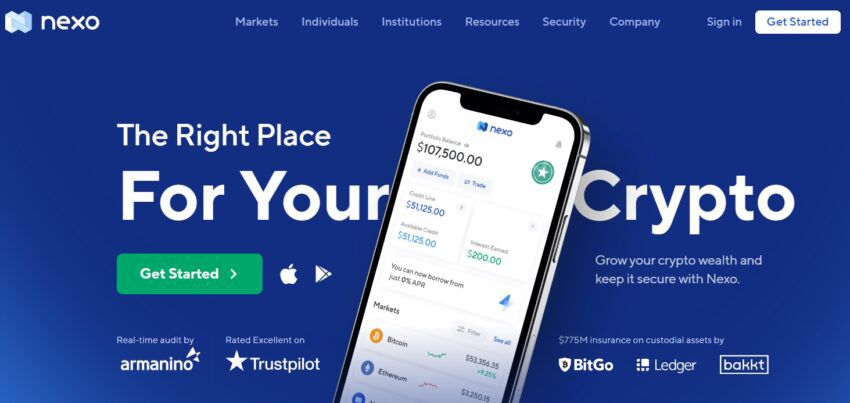
6. Nexo Card
The Nexo Card operates on a model that no other card on this list replicates at the same level — it lets you spend against your crypto holdings without ever selling them. Your crypto acts as collateral, and you draw from a credit line instead. This means no capital gains tax event at the point of purchase in most jurisdictions, and your underlying crypto assets continue to appreciate if the market moves in your favor while you spend.
Spend Without Selling: The Crypto Credit Line Model
When you make a purchase with the Nexo Card, the charge is drawn from your Nexo credit line rather than liquidating your crypto. The credit line is backed by crypto collateral you deposit into Nexo — Bitcoin, Ethereum, and a range of other supported assets. Interest only accrues if you carry a balance, and many users repay with incoming crypto yield or fresh deposits rather than paying interest at all. The card runs on the Mastercard network and is accepted wherever Mastercard operates globally.
Bitcoin and Crypto Rewards on Every Purchase
Despite being a credit-backed card, Nexo still pays out crypto rewards on every purchase. You can choose to receive rewards in Bitcoin or in NEXO tokens — the platform’s native asset. Choosing NEXO tokens as your reward asset unlocks a higher reward rate, while selecting Bitcoin gives you a lower but more stable reward denomination.
The reward rate you receive is directly tied to your Nexo Loyalty Tier, which is determined by the ratio of NEXO tokens to total assets held in your Nexo account. This creates a layered incentive — hold more NEXO tokens, unlock better rewards, and earn crypto on every swipe without ever triggering a taxable sell event on your collateral.
Key Advantage: Tax-Efficient Spending
A user holding 10 BTC as collateral on Nexo can spend freely using their credit line, earn Bitcoin rewards on every purchase, and never trigger a capital gains event on their Bitcoin — all while that 10 BTC continues to sit in their portfolio accruing potential appreciation. This is a fundamentally different financial model than any standard debit card.
The Nexo Card is available as a virtual card immediately upon approval and as a physical gold card for higher-tier users. It supports contactless payments and integrates with Apple Pay and Google Pay. Nexo operates under regulatory licenses in multiple jurisdictions, adding a layer of compliance credibility that matters for users moving larger sums.
One important caveat: if your collateral value drops significantly due to a crypto market downturn, Nexo may issue a margin call requiring you to top up your collateral or repay part of the credit line. Managing your loan-to-value ratio is a critical discipline for Nexo Card users.
Loyalty Tiers and How They Affect Your Rewards
Nexo uses four loyalty tiers — Base, Silver, Gold, and Platinum — each unlocking progressively better interest rates, reward rates, and card perks. Your tier is determined by what percentage of your total Nexo portfolio is held in NEXO tokens. Platinum tier requires at least 10% of your portfolio in NEXO and delivers the highest cashback rates alongside zero fees on ATM withdrawals and priority customer support.
The practical implication is that Nexo rewards disciplined platform users. If you are already using Nexo for crypto-backed loans or earning yield on your assets, the card becomes a natural extension that layers additional passive rewards onto an existing strategy rather than requiring a separate behavioral change.
7. BitPay Mastercard
BitPay has been a cornerstone of crypto payments infrastructure since 2011, and its Mastercard is built around the same philosophy — straightforward, Bitcoin-forward, and designed for users who want to spend crypto without the complexity of exchange-native ecosystems. The card is available to US residents and requires a BitPay Wallet or supported external wallet to load funds.
Bitcoin-First Design and Supported Wallets
The BitPay Mastercard is a prepaid card, which means you convert crypto to USD inside the BitPay app before spending, rather than converting at point of sale. Supported assets for loading include Bitcoin, Ethereum, XRP, Litecoin, Dogecoin, Bitcoin Cash, and several stablecoins including USDC and DAI. This prepaid model gives you more control over when you trigger a conversion — useful if you want to time your crypto sales strategically.
BitPay also supports loading the card from external wallets beyond just the BitPay Wallet itself, including hardware wallets. This gives Bitcoin maximalists and security-conscious users a path to spending crypto without maintaining an exchange account balance. The card works with Apple Pay, Google Pay, and Samsung Pay for contactless transactions.
Fee Breakdown for Everyday Use
BitPay charges a $0 card issuance fee and no monthly maintenance fee. However, there is a 1% fee when loading the card with crypto, which functions similarly to the conversion spread other cards embed invisibly into exchange rates. ATM withdrawals cost $2.00 per transaction domestically, and there is a $2.50 fee per international ATM withdrawal.
There is also a $0.00 fee for purchases made in USD, but a 3% foreign transaction fee applies when spending in non-USD currencies. For US-based users who spend primarily domestically in USD, BitPay’s fee structure is among the cleaner ones available — the costs are transparent and predictable rather than hidden in spread calculations. For more on how the market is adapting to these changes, check out the Crypto Market Report.
BitPay does not offer a cashback or rewards program on the Mastercard. The value proposition is not rewards — it is simplicity, Bitcoin compatibility, broad wallet support, and the credibility of an operator with over a decade of crypto payment processing history behind it.
8. Wirex Card
Wirex occupies a unique space in the crypto card market as both a multi-currency wallet and a Visa-powered spending card with its own in-house rewards token. Founded in 2014, it has grown to serve millions of users across Europe, the UK, Asia-Pacific, and Canada. The card blends traditional banking features with crypto-native rewards in a way that appeals to users who hold both fiat and crypto simultaneously.
Cryptoback Rewards Program
Wirex’s rewards system is called Cryptoback, and it pays out in WXT — Wirex’s native token — on all in-store purchases. The base Cryptoback rate starts at 0.5% for standard users and scales up to 2% for users on higher Wirex X-tras subscription tiers. Rewards are paid in real time after each in-store transaction and land directly in your Wirex wallet.
Like Crypto.com’s CRO model, WXT’s value as a reward asset is tied to the token’s own price performance. However, Wirex also allows users to instantly swap WXT into Bitcoin, Ethereum, or other supported assets within the app — so you are never forced to hold WXT if you prefer to accumulate a different asset. This instant swap flexibility partially mitigates the token volatility risk inherent in native-token reward programs.
Multi-Currency Wallet and DeFi Integration
Wirex supports over 40 currencies including both fiat and crypto, all manageable from a single app. You can hold GBP, EUR, USD, BTC, ETH, and dozens of other assets simultaneously and choose which one to spend from at any given moment. The app includes built-in exchange functionality with competitive rates for moving between currencies on the fly. For those interested in exploring more about decentralized finance, check out our article on stablecoin yield strategies and DeFi risk assessment.
Wirex has also pushed into DeFi territory through Wirex Token staking and partnerships with decentralized protocols. While the DeFi integration is not as deep as MetaMask Card’s self-custody model, it gives Wirex users exposure to yield-generating opportunities directly within the same app they use to manage their spending card — a convenient consolidation for users who do not want to juggle multiple platforms.
9. Fold Card
Fold is a US-based debit card built specifically for Bitcoin enthusiasts who want to stack sats on every purchase. Unlike most crypto cards that reward in a native platform token, Fold pays rewards exclusively in Bitcoin — making it a standout choice for anyone running a Bitcoin-only or Bitcoin-primary strategy.
The card is a Visa debit card that connects to your Fold account balance, which can be funded with USD via bank transfer. You do not spend crypto directly — instead, Fold converts your dollar spending into Bitcoin rewards after each purchase. This structure keeps the spending experience identical to a regular debit card while routing rewards into BTC accumulation automatically.
Fold offers both a free tier and a paid Fold+ subscription at $9.99 per month. The paid tier unlocks higher Bitcoin reward rates, bonus spin opportunities, and premium perks. For users spending $1,000 or more per month, the Fold+ subscription cost is generally recovered through increased rewards within the first few hundred dollars of spending.
Fold Card Tier Comparison
Free Tier: Base Bitcoin rewards on every swipe + one daily spin
Fold+ ($9.99/month): Boosted Bitcoin reward rates + increased spin rewards + bonus spins on qualifying purchases + premium merchant offers
Bitcoin Rewards on Every Swipe
Every purchase made with the Fold Card earns a percentage back in Bitcoin, deposited to your Fold Bitcoin wallet after the transaction settles. Reward rates vary by merchant category, with some partner merchants offering significantly boosted rates — similar to how traditional cashback cards offer higher rates at specific retailers. The Bitcoin you earn is real BTC, not a synthetic or wrapped version, and can be withdrawn to an external Bitcoin wallet once you meet the minimum threshold.
Fold also runs periodic promotions where specific merchant categories earn 2x, 3x, or higher Bitcoin reward multipliers. For users who strategically time larger purchases during these promotions, the effective Bitcoin accumulation rate can climb substantially above the baseline rate.
Spin-to-Win Bonus Feature and How It Works
Every day, Fold Card users get at least one spin on a Bitcoin rewards wheel. Each spin has a chance to land on prizes ranging from a few hundred satoshis up to a full Bitcoin — though the probability of landing on the top prize is extremely small. The spin feature adds a gamified layer to the daily Bitcoin stacking habit, and Fold+ subscribers receive additional spins triggered by qualifying purchases throughout the day. It is a small but psychologically engaging mechanic that reinforces daily app engagement and keeps Bitcoin accumulation front of mind.
10. Gemini Credit Card
The Gemini Credit Card is technically a credit card rather than a debit card, but it earns its place on this list because of its real-time crypto rewards model and the credibility of Gemini as a regulated US crypto exchange. It is issued by WebBank, runs on the Mastercard network, and requires a credit check for approval — standard for any credit product.
Real-Time Crypto Rewards With No Conversion Delay
What sets the Gemini Credit Card apart from most rewards cards — crypto or traditional — is that rewards are deposited in real time, the instant a transaction is made. There is no waiting for a monthly statement cycle to see your rewards credited. The card offers 3% back on dining, 2% back on groceries, and 1% back on all other purchases. These are competitive rates even against traditional cashback cards, and the fact that rewards land in crypto immediately means you benefit from any price appreciation between the moment you earn and the moment you spend or hold. For those interested in diversifying their crypto investments, exploring stablecoin yield strategies can be a valuable addition to your financial strategy.
Which Cryptocurrencies You Can Earn
Gemini lets you choose from over 60 cryptocurrencies as your reward asset — including Bitcoin, Ethereum, Solana, and many others. You can change your reward asset at any time through the Gemini app. All rewards are deposited directly into your Gemini exchange account and can be withdrawn to an external wallet, traded, or left to accumulate. There is no annual fee on the base card, making it one of the highest-value no-fee crypto reward cards available to US residents in 2026.
11. Plutus Card
Plutus is a European crypto debit card that has carved out a loyal user base by offering one of the most flexible reward structures on the market. Based in the UK, it operates on the Visa network and rewards users in PLU — Plutus’s own ERC-20 token — on all card spending. The card has strong traction in the UK and across the EU, with no requirement to hold exchange account balances or stake on a centralized platform.
PLU Token Rewards and Long-Term Value Potential
Plutus pays 3% back in PLU on all purchases, with no category restrictions. PLU is an Ethereum-based token with a capped supply of 20 million, which Plutus positions as a deflationary feature supporting long-term value. Unlike many platform tokens that are minted aggressively to fund reward programs, PLU’s capped supply creates a genuine scarcity dynamic if demand for the card grows over time. For those interested in exploring similar strategies, understanding stablecoin yield strategies can provide additional insights into managing crypto assets.
PLU can be held, traded on decentralized exchanges, or used to unlock higher Plutus subscription tiers that come with additional perks. The token has maintained trading liquidity on platforms including Uniswap and several centralized exchanges, giving cardholders a real exit path if they choose to convert rewards to another asset rather than holding PLU long-term.
European Availability and Mastercard Coverage
Plutus is available across the UK and EEA, making it one of the strongest European-specific options on this list. Card issuance is straightforward through the Plutus app, with virtual card access available immediately and a physical Visa card issued within days. The app supports GBP and EUR accounts, and spending in foreign currencies is handled at the Visa exchange rate with no additional foreign transaction fee on standard tiers.
Plutus also offers a perks marketplace within the app where cardholders can claim monthly subscription reimbursements — including Netflix, Spotify, and Amazon Prime — by staking PLU tokens. The number of perks you can activate scales with how much PLU you stake, creating a layered value system for committed users who want to extract maximum monthly value from the card. For those interested in exploring similar opportunities, you might want to navigate DeFi protocols safely to maximize your crypto assets.
| Feature | Plutus Standard | Plutus Hero | Plutus Elite |
|---|---|---|---|
| PLU Cashback Rate | 3% | 3% | 3% |
| Monthly Spending Cap for Rewards | £2,000 | £5,000 | Unlimited |
| Perk Slots (subscription reimbursements) | 1 | 3 | 6 |
| PLU Stake Required for Perks | 250 PLU | 500 PLU | 1,000 PLU |
| Foreign Transaction Fee | None | None | None |
One limitation to note is the monthly spending cap on rewards. Standard tier users only earn PLU rewards on the first £2,000 of spending per month — purchases above that threshold do not generate rewards. Heavy spenders should factor this cap into their actual return calculation and consider whether upgrading to Hero or Elite tier is worthwhile based on their monthly card volume.
Overall, Plutus delivers a compelling value package for European crypto holders who want consistent flat-rate rewards in a token with genuine scarcity mechanics, without being required to stake thousands of dollars on a centralized exchange just to access the top reward tier.
12. Brex Crypto-Linked Business Card
Brex is primarily known as a corporate charge card for startups and technology companies, but its crypto integration features make it relevant for business owners who want to bridge traditional corporate spending with digital asset management. Unlike the consumer cards on this list, Brex is designed for businesses with structured spending, employee cards, and accounting integrations.
Brex allows businesses to hold a portion of their treasury in crypto through integrated custody partners, and the card’s rewards can be directed toward crypto assets depending on the active reward structure. Brex points can be redeemed for various assets, and the platform integrates with crypto-friendly financial infrastructure providers. It is not a pure crypto card in the way BitPay or Coinbase Card are — but for business owners managing both corporate spending and crypto treasury positions, Brex offers a consolidated layer that competitors in the pure-crypto card space do not match.
Business Spending Perks With Crypto Integration
Brex offers up to 7x points on rideshare, 4x on travel, 3x on restaurants, 2x on software subscriptions, and 1x on everything else. For crypto-native businesses that spend heavily on SaaS tools, cloud infrastructure, and travel — common spending patterns for tech startups and crypto firms alike — the rewards stack can be genuinely substantial. Points can be redeemed for statement credits, travel, or transferred to partners, with crypto redemption options available through connected treasury features.
Who This Card Is Best Suited For
Brex is best suited for incorporated businesses — specifically startups, crypto funds, Web3 companies, and tech firms that want to manage employee spending, automate expense reporting, and maintain some level of crypto treasury exposure from within a single platform. It is not the right fit for individual retail crypto users or anyone without a registered business entity, as Brex requires a business account and does not offer personal cards.
13. 1inch Card
The 1inch Card is a DeFi-native Visa debit card that launched as part of 1inch Network’s broader push to bring decentralized finance tools into everyday spending. It is issued in partnership with Baanx and operates across the UK and EEA, targeting the DeFi-native user base that already uses 1inch’s decentralized exchange aggregator for on-chain swaps.
What makes the 1inch Card genuinely different from the other cards on this list is its design philosophy. Rather than being built by an exchange that added a card as a secondary feature, the 1inch Card was conceived as an extension of on-chain DeFi activity — letting users spend value derived from decentralized wallets while earning rewards in the protocol’s own governance and utility token.
DeFi-Native Design and How It Stands Apart
The 1inch Card connects to a non-custodial wallet infrastructure, meaning users retain meaningful control over their assets in the same spirit as the MetaMask Card. Spending triggers conversions from supported crypto assets held in your linked wallet, processed through compliant fiat rails to the Visa network. This architecture reflects the broader DeFi ethos — minimize centralized custody, maximize user control — while still delivering a functional everyday spending card that works at any merchant accepting Visa.
For users already active in DeFi — managing liquidity positions, executing on-chain swaps, and interacting with decentralized protocols daily — the 1inch Card offers a natural on-ramp to spending without the philosophical compromise of depositing funds onto a centralized exchange just to access a card product. It sits alongside MetaMask Card as one of the two genuinely DeFi-aligned card options available in 2026.
Cashback Paid in 1INCH Tokens
Rewards on the 1inch Card are paid in 1INCH — the native token of the 1inch Network — on qualifying purchases. The 1INCH token serves both as a governance token and a utility token within the 1inch ecosystem, meaning rewards are not merely speculative assets but functional tokens usable within the protocol itself. Users who are already active 1inch governance participants receive additional utility value from cashback rewards beyond pure price speculation. For those interested in securing their crypto assets, it’s important to consider safest hardware wallets to ensure their tokens are protected.
The cashback rate varies by tier and spending volume, with promotional rates offered during the card’s growth phase in 2025 and 2026. Like all token-based reward programs, the real-world value of 1INCH cashback depends heavily on the token’s price trajectory — a consideration every potential cardholder should weigh against the DeFi-native benefits the card delivers.
One practical consideration: 1INCH tokens earned through card rewards can be put to work immediately within the 1inch ecosystem — staked for governance participation, used in Fusion mode swaps, or swapped for other assets directly through the 1inch aggregator at best available rates across dozens of DEXs. This creates a closed-loop ecosystem where card spending generates rewards that feed directly back into on-chain DeFi activity, a genuinely novel value cycle that no custodial exchange card can replicate.
Here Is How to Pick the Right Crypto Debit Card for Your Situation
Thirteen cards have been covered here, and the honest answer is that no single one is universally the best. The right card depends entirely on where you live, how you hold crypto, how much you spend monthly, and what you want to do with your rewards. Here is how to cut through the noise and make a decision based on your actual situation.
Prioritize Low Conversion Spreads Over Headline Cashback Rates
A card advertising 8% cashback while charging a 2.5% conversion spread on every purchase is delivering a net of roughly 5.5% — and that is before factoring in any token price depreciation on the reward asset. Always identify the conversion spread a card charges when liquidating crypto to fiat, and subtract it from the stated cashback rate to get a realistic picture of your true return. Coinbase Card’s 2.49% liquidation fee is a prime example — it can fully consume the reward on smaller transactions.
Match the Card to Where You Live and Where You Spend
Geographic restrictions eliminate many cards before you even compare features. US residents cannot use the Binance Visa Card or Plutus Card. Fold and BitPay are US-only. MetaMask Card and 1inch Card are currently UK and EEA focused. Crypto.com, Coinbase Card, and Wirex cover the widest geographic footprints. Before deep-diving into any card’s reward mechanics, confirm it is actually available and fully functional in your country — including ATM access, top-up methods, and customer support in your timezone. For more insights on cryptocurrency trends, check out the Crypto Market Report.
Self-Custody vs. Exchange-Held Funds: Why It Matters
If you keep significant crypto holdings on an exchange card platform, you are exposed to custodial risk — the same risk that wiped out FTX users in 2022. For day-to-day spending balances, this risk may be acceptable. For larger holdings, it is not. MetaMask Card and 1inch Card offer the closest thing to true self-custody spending available in 2026. If holding your own keys is a non-negotiable principle, one of these two cards should be your starting point regardless of cashback rates. For everyone else, spreading exposure across a card account and a separate cold storage wallet is basic risk management that takes ten minutes to implement.
How Staking Requirements Affect Your Real Return
Staking Cost Reality Check — Crypto.com Jade Green Card Example
Required CRO Stake: ~$4,000 USD locked for 180 days
Opportunity Cost (estimated): 4,000 USD could earn ~4-6% APY in stablecoin yield elsewhere
Opportunity Cost in USD over 180 days: ~$80–$120
Monthly spending needed to break even on opportunity cost at 3% CRO cashback: ~$267–$400/month
Conclusion: At $1,000+/month in card spending, the Jade Green card delivers positive net return above the staking opportunity cost — assuming CRO holds its USD value. At lower spending volumes, the math is tighter than it appears.
Staking requirements are not just about locking up capital — they are about what that capital could have been doing instead. Every dollar staked in a platform’s native token is a dollar not earning yield in a stablecoin strategy, not appreciating in Bitcoin, and not available for a DeFi opportunity. This opportunity cost is real and measurable, and it should be factored into every high-tier card decision.
The cards that do not require staking — Coinbase Card, BitPay, Bybit Card at base tier, Gemini Credit Card — offer lower headline reward rates but eliminate this hidden cost entirely. For users spending under $500/month, a no-stake card at 1-2% cashback will often outperform a staked card at 3-5% once opportunity cost is accounted for.
One final staking consideration: native token price risk is real. If you stake $4,000 worth of CRO and CRO drops 50% in value during the 180-day lock period, your stake is now worth $2,000 — a $2,000 loss that no amount of 3% cashback offsets in the short term. Cards that pay rewards in Bitcoin, USDT, or user-selected assets are structurally safer from this specific risk.
The Passive Income Angle Most Crypto Card Users Miss
Most people think of crypto card rewards as a spending perk — a nice bonus on top of purchases they would make anyway. But the users extracting the most value from these cards in 2026 are treating rewards as a systematic passive income layer that compounds alongside their broader crypto portfolio strategy. The difference between these two approaches, over 12 months of consistent card use, can be measured in thousands of dollars of additional Bitcoin or altcoin accumulation.
Stacking Cashback With Staking Yields
Consider a Crypto.com Jade Green cardholder who spends $2,000 per month. At 3% CRO cashback, they earn $60 worth of CRO monthly — $720 annually — while their $4,000 CRO stake simultaneously earns staking yield within the Crypto.com ecosystem. That staking yield is separate from the card cashback and runs concurrently. Stack those two income streams together and you have a combined return on the staked capital that materially exceeds what most savings accounts or even moderate DeFi strategies would generate on the same $4,000 base.
The Binance Visa Card operates on similar compounding logic. BNB held in your Binance account to qualify for higher cashback tiers can simultaneously be deployed in Binance Earn products — Simple Earn flexible products, for instance — earning yield on the same BNB balance that determines your card tier. Your BNB is not idle; it is earning on two fronts while your card spending generates a third income stream on top. This three-layer structure — asset appreciation, staking/earn yield, and spending cashback — is how serious crypto card users turn everyday spending into a genuinely productive financial strategy.
How Token-Based Rewards Can Grow Over Time
When a reward token appreciates, the value of every past reward multiplies retroactively. A user who earned 500 PLU tokens through Plutus Card spending in 2024 and held them saw those rewards increase in value as PLU appreciated — turning what was a 3% cashback at the time of spending into a significantly higher effective return in hindsight. This is the upside scenario that makes token-based reward programs more compelling than flat fiat cashback for long-term holders who have conviction in the underlying token.
The reverse is also true — token rewards can depreciate. The users who extract consistent long-term value from token rewards are typically those who either have genuine conviction in the token’s project fundamentals, or who regularly swap earned tokens into Bitcoin or stablecoins to lock in gains rather than holding indefinitely. Building a simple rule — for example, swap rewards to BTC monthly if the token is up more than 20% from your average earn price — removes emotion from the decision and systematizes reward-taking in a way that compounds wealth rather than leaving it to market chance.
The Best Crypto Debit Card in 2026 Depends on How You Use It
For maximum cashback with travel perks, the Crypto.com Visa Card at Jade Green or above remains the benchmark. For Bitcoin-only accumulation in the US, Fold Card is unmatched. For spending without selling and avoiding capital gains, Nexo Card operates in a category of its own. For DeFi-native users who refuse to compromise on self-custody, MetaMask Card and 1inch Card represent the frontier of crypto spending in 2026. And for US beginners who want zero friction and flexible reward choices, the Coinbase Card is still the easiest on-ramp available. Pick the card that matches your custody philosophy, your geography, and your monthly spending volume — and then stack the rewards systematically into a long-term crypto accumulation strategy rather than treating them as pocket change.
Frequently Asked Questions
Crypto debit cards generate questions across three main areas — usability, taxes, and safety. The short answers are: yes they work globally on Visa and Mastercard networks, yes spending crypto is typically a taxable event in most countries, and no, you should not keep large holdings on a card account without understanding the custodial risk involved.
Below are the most common questions answered directly and without jargon, so you can make a confident decision about which card fits your situation.
Can I use a crypto debit card anywhere Visa or Mastercard is accepted?
Yes — crypto debit cards running on Visa or Mastercard rails work at any merchant worldwide that accepts those networks, including online retailers, physical stores, and international purchases. The merchant never sees a crypto transaction; they receive a standard fiat card payment. The crypto-to-fiat conversion happens invisibly on the card issuer’s side before the charge reaches the merchant. The only exceptions are merchants in countries where your card issuer does not have regulatory clearance to operate, which is primarily a geographic licensing issue rather than a Visa or Mastercard acceptance issue.
Do I pay taxes when I spend crypto with a debit card?
In most jurisdictions — including the United States, United Kingdom, Australia, and most of the EU — spending crypto is treated as a taxable disposal event. When your card converts crypto to fiat at the point of purchase, the IRS, HMRC, and equivalent agencies in other countries treat this as a sale of that crypto asset. You owe capital gains tax on any appreciation between your original purchase price and the value at the moment of spending. This is why the Nexo Card’s credit line model is so compelling for tax-aware users — borrowing against collateral is not a taxable event in most jurisdictions, so you spend freely without triggering a capital gains liability on your underlying holdings. Always consult a tax professional familiar with crypto in your specific country before building a spending strategy around any of these cards. For more information on crypto regulations, you can refer to the Trump Clarity Act.
Which crypto debit card gives the highest cashback in 2026?
The Binance Visa Card offers the highest headline cashback rate at up to 8% in BNB, but this top rate requires maintaining a very high BNB balance in your Binance account and is unavailable to US residents. For US users, the Gemini Credit Card’s 3% on dining is among the strongest no-fee options. Crypto.com’s Obsidian Card offers 5% CRO cashback but requires a ~$400,000 CRO stake that puts it out of reach for most users.
The more useful question is which card delivers the highest net cashback after conversion spreads, staking opportunity costs, and token price risk are factored in. By that measure, the Coinbase Card’s 2-4% in user-selected crypto on a no-stake, zero-annual-fee structure is highly competitive for US users spending $500–$2,000 per month — even accounting for the 2.49% liquidation fee on larger transactions where the math still works in the cardholder’s favor.
Is it safe to keep large amounts of crypto on a card account?
No — keeping large amounts of crypto in a card-linked exchange account carries meaningful custodial risk. Exchange platforms can freeze withdrawals, face insolvency, or be subject to regulatory action that restricts your access to funds. The FTX collapse in 2022 demonstrated exactly how quickly and completely exchange-held funds can become inaccessible, affecting millions of users including many who used FTX-linked card products.
The best practice is to maintain only the float you need for monthly spending inside your card account, and keep the majority of your holdings in a hardware wallet or other self-custodial solution. For a user spending $1,000 per month on their Crypto.com card, keeping $1,500–$2,000 in the card account is reasonable — not $50,000. The staking requirement is a separate consideration; those funds are locked on the platform by design, which is a risk you accept when you commit to a staked tier.
Cards like MetaMask Card and 1inch Card partially mitigate this risk by maintaining a non-custodial architecture where your funds stay in your own wallet until the moment of spending. For users for whom custody is a hard requirement rather than a preference, these cards eliminate the exchange insolvency risk almost entirely — though they introduce their own risks around wallet security and private key management that require disciplined operational security practices.
What is the difference between a crypto debit card and a crypto credit card?
A crypto debit card spends value you already hold. When you make a purchase, the card draws from your existing crypto or fiat balance — converting crypto to fiat at point of sale, or spending from a preloaded balance in the case of prepaid cards like BitPay. There is no borrowing, no interest, and no credit check required for most debit products. Your spending is limited to what you already own. For a deeper understanding of crypto market trends, you might find the crypto market report insightful.
A crypto credit card — like the Nexo Card in its credit mode or the Gemini Credit Card — extends a credit line that you repay later. Crypto credit cards backed by collateral, like Nexo, let you borrow against your crypto holdings without selling them. Standard crypto credit cards like Gemini’s function more like traditional credit cards that happen to pay rewards in cryptocurrency rather than points or miles. Both involve a credit check and a repayment obligation, and both can charge interest if you carry a balance.
The practical implication is that debit cards are simpler, carry no debt risk, and are accessible without a credit history — making them the right starting point for most crypto users. Credit cards offer higher potential reward rates and, in the case of collateralized products like Nexo, the powerful advantage of spending without triggering taxable crypto disposals. The right choice depends on whether you want simplicity and no debt risk, or whether you are sophisticated enough to manage a collateralized credit position responsibly within your broader crypto strategy.
DISCLAIMER: This comprehensive guide to the best crypto debit cards in 2026 is for informational purposes only and does not constitute financial, investment, legal, or spending advice. The information provided reflects assessments and analysis accurate at the time of publication, but crypto debit card features, reward structures, card issuer operational status, regulatory status, fees, and geographic availability evolve continuously and may change materially. Always conduct your own research (DYOR), verify information from multiple independent sources, and understand that your optimal choice of the best crypto debit cards for your situation may differ significantly from the recommendations or frameworks provided here. Never make spending, custody, or portfolio allocation decisions based solely on any single guide or analyst opinion. Past card performance and reward rates do not guarantee future results. The best crypto debit cards and their specific features described in this guide are referenced for informational purposes and represent one analytical perspective among many valid approaches. Card issuer insolvency, regulatory actions, conversion spreads, tax consequences, token volatility, and custodial risk are all material factors that should inform your decision but cannot be fully predicted or controlled. Before committing significant capital to any crypto debit card account or spending strategy, ensure you fully understand the specific custody model, fee structure, tax implications, rewards mechanics, and risks involved. If you are uncertain about any aspect of crypto debit cards, tax consequences, or crypto spending, consult with qualified financial advisors, tax professionals, or legal counsel before proceeding. This guide does not constitute an offer to sell or a solicitation to buy any cryptocurrency or card product.

Latest
Business
08 Jul 2026
Business
04 Jul 2026
Business
21 May 2026
Business
13 May 2026
Business
15 Mar 2026