Coinposters
What Are NFTs and How You Can Make Money With Them in 2026
What Are NFTs and How You Can Make Money With Them in 2026
From digital ownership to proven profit strategies—your complete guide to navigating the NFT market and identifying real opportunities
⚡ Key Takeaways
- NFTs remain profitable in 2026, but success requires strategic investment in utility-focused projects rather than speculative purchases
- Creating and selling original NFT content remains the most accessible entry point for newcomers to the space
- NFT royalties provide passive income streams, with creators earning 5-10% on secondary market sales of their work
- Virtual real estate in established metaverses has appreciated by an average of 300% since 2021 for prime locations
- Understanding blockchain fundamentals helps you navigate the complex NFT ecosystem and identify profitable opportunities
NFTs Explained: Digital Ownership in the 2026 Market
NFTs (Non-Fungible Tokens) have evolved from digital curiosities to cornerstone assets in the modern digital economy. Unlike cryptocurrencies such as Bitcoin or Ethereum where each unit is identical, NFTs represent unique digital items with verifiable scarcity and ownership recorded on the blockchain. This technology has revolutionized how we value, trade, and monetize digital content across art, entertainment, real estate, and identity verification.
The NFT market of 2026 bears little resemblance to its early days. Today’s NFTs prioritize utility, integration with physical assets, and community engagement rather than speculation. The current landscape rewards those with a deep understanding of blockchain fundamentals and the specific utilities that drive NFT valuations.
What makes today’s NFTs particularly valuable is their multi-chain interoperability and enhanced security features. No longer limited to a single blockchain ecosystem, modern NFTs can move between networks while maintaining their provenance and utility. Smart contracts have become more sophisticated, enabling complex revenue-sharing models, conditional ownership rights, and automated royalty distributions that benefit creators throughout an NFT’s lifecycle.
6 Proven Ways to Make Money With NFTs in 2026
The NFT economy has matured significantly, offering diverse income streams beyond simple buying and selling. Each monetization strategy requires different skills, risk tolerance, and capital investment. The key to success lies in finding approaches that align with your resources and expertise while delivering sustainable returns in today’s utility-focused market.
1. Create and Sell Your Own Digital Assets
Creating original NFT content remains the most direct path to profitability. Artists, musicians, writers, and other digital creators can mint their work as NFTs and sell directly to collectors, eliminating traditional gatekeepers. The most successful creators build comprehensive collections with clear roadmaps, consistent artistic vision, and ongoing utility for holders.
Today’s NFT creation process has become more accessible thanks to no-code minting platforms and AI-assisted creative tools. Even without traditional artistic skills, entrepreneurs can leverage these resources to develop marketable digital assets. The key differentiator in 2026 is no longer just aesthetic appeal but the ongoing value proposition for collectors—whether through exclusive community access, evolving content, or integration with physical products.
2. Flip NFTs on Secondary Markets
Strategic NFT trading remains viable for those with market knowledge and timing skills. Successful flippers identify undervalued assets with growth potential, purchasing during market dips and selling during uptrends. This approach requires deep research into project fundamentals, community strength, and upcoming catalysts that might drive demand. For those new to the space, exploring blockchain technology can provide valuable insights.
3. Earn Through NFT Staking and Yield Farming
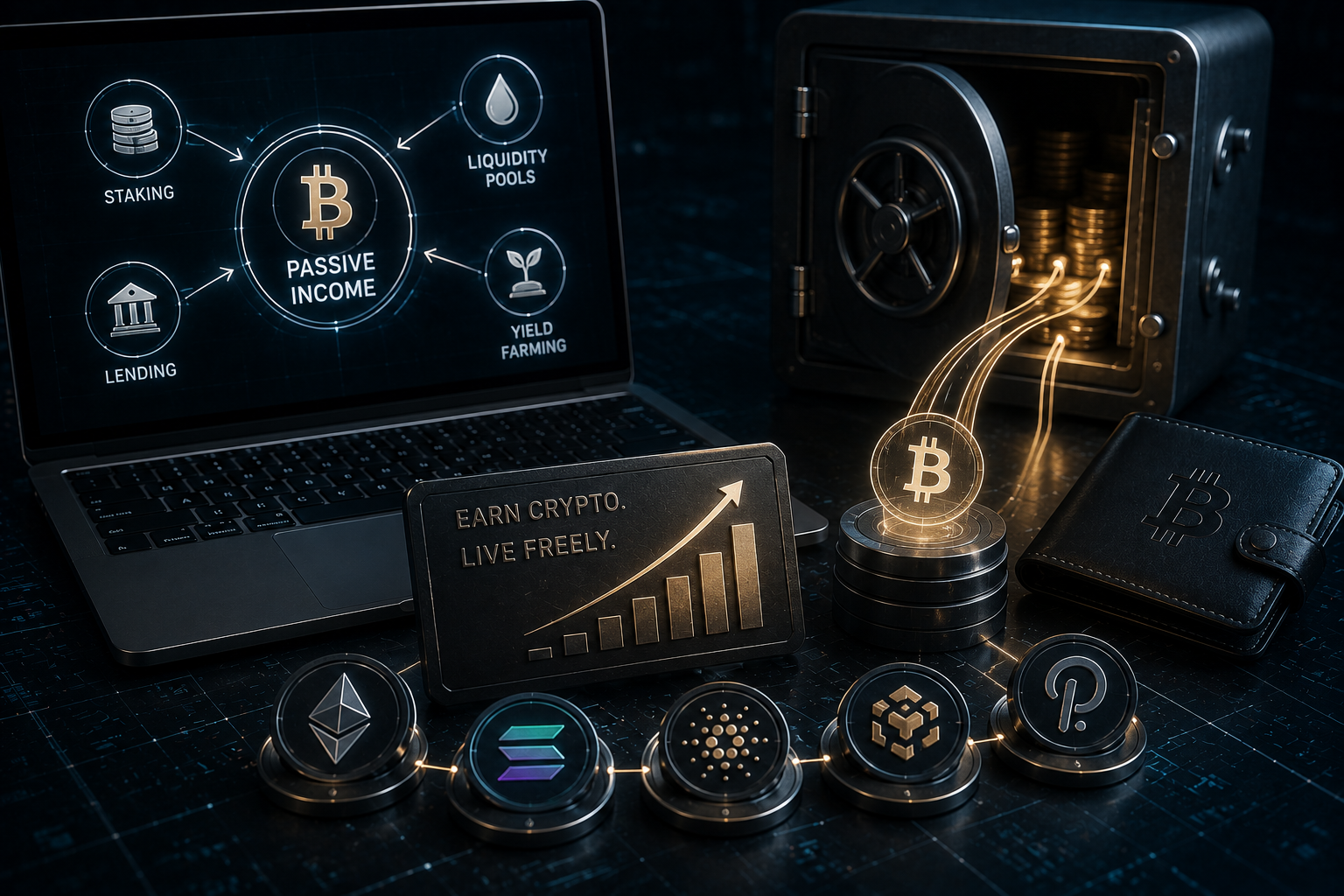
NFT staking has evolved into a sophisticated passive income strategy where holders can lock their digital assets in protocols to earn rewards. Many blue-chip NFT projects now offer staking options that generate native tokens, access to exclusive content, or governance rights. Some collectors earn 15-20% annual returns through careful selection of staking opportunities across established platforms.
4. Generate Income from NFT Royalties
Royalty mechanisms have become one of the most attractive features of NFT creation, providing ongoing passive income whenever your assets change hands on the secondary market. Most NFT marketplaces allow creators to set royalty percentages between 5-10% on all future sales, ensuring you benefit from the long-term appreciation of your work. This model has revolutionized creator economics by ensuring artists participate in the full lifecycle value of their digital assets.
The royalty landscape has evolved considerably since early implementation challenges. Cross-platform royalty enforcement protocols now ensure creators receive their fair share regardless of where their NFTs are traded. For prolific creators with popular collections, royalty income can far exceed initial sale revenues, sometimes generating thousands in monthly passive income years after initial release.
5. Invest in Virtual Real Estate
Virtual land within established metaverse platforms has become a legitimate asset class with impressive returns. Prime locations in platforms like Decentraland, The Sandbox, and newer entrants like NeoWorld have appreciated by an average of 300% since 2021. Savvy investors purchase strategically located plots that benefit from high foot traffic, proximity to brand experiences, or development potential.
The virtual real estate market has matured beyond speculation to focus on rental income and development value. Landowners now earn passive income by leasing their parcels to brands, game developers, and event organizers. Some investors have built virtual businesses on their land, from art galleries to gaming experiences, generating ongoing revenue streams through visitor engagement and virtual commerce.
Virtual Real Estate ROI Comparison (2026)
- Prime Metaverse Districts: 15-25% annual yield
- Developing Platform Areas: 8-12% annual yield
- Frontier Metaverse Platforms: High risk, potential 50%+ returns
- Physical Real Estate Average: 7-9% annual yield
6. Participate in Play-to-Earn Gaming Economies
The play-to-earn gaming model has evolved significantly, creating sustainable economic systems where players earn valuable NFT assets through gameplay. Unlike early models that quickly collapsed under inflationary pressures, today’s gaming ecosystems carefully balance token economics with engaging gameplay. Top players in games like Illuvium, Star Atlas, and MetaOasis can earn substantial monthly incomes by collecting, trading, and renting in-game assets.
Beyond playing, investors now back talented gamers through scholarship programs, sharing profits from the NFTs and tokens these players earn. Guild structures have formalized this arrangement, creating professional paths for skilled players while generating returns for investors. Some gaming guilds have transformed into DAOs managing millions in digital assets across multiple gaming ecosystems.
How to Start Making Money With NFTs Today
Entering the NFT market requires preparation beyond simply loading a wallet with cryptocurrency. The most successful participants approach the space with clear strategies, technical knowledge, and realistic expectations about both potential returns and risks. By building your foundation correctly, you’ll be positioned to take advantage of opportunities across the NFT economy.
Setting Up Your First Crypto Wallet
Your wallet serves as your digital identity and secure storage for your NFTs and cryptocurrencies. Modern self-custody wallets like MetaMask, Phantom, and Rainbow offer multi-chain support essential for navigating today’s diverse NFT ecosystem. Security has become paramount, with hardware wallet integration now standard practice for serious collectors protecting valuable digital assets from increasingly sophisticated attacks.
When setting up your wallet, prioritize security by enabling multi-factor authentication, creating proper backups of your recovery phrase, and considering cold storage solutions for long-term holdings. The days of simple password protection are long gone—today’s NFT investors implement comprehensive security protocols to safeguard their growing digital portfolios across multiple blockchains and platforms.
Choosing the Right Blockchain for Your NFT Strategy
While Ethereum pioneered NFT technology, the ecosystem has expanded to include numerous blockchains optimized for different use cases. Ethereum remains dominant for blue-chip art collections and established projects, while Solana excels for gaming assets and frequent trading due to its lower fees and higher transaction speeds. Newer layer-2 solutions like Immutable X offer gas-free transactions specifically designed for NFT-heavy applications, making them ideal for gaming economies and high-volume markets.
Your blockchain choice should align with your specific NFT strategy. Content creators might prioritize maximum exposure on Ethereum despite higher minting costs. Traders focused on quick flips might prefer Solana’s speed and affordability. Investors in virtual real estate might need presence across multiple chains as the metaverse becomes increasingly cross-chain compatible. Most successful participants eventually maintain wallets across several ecosystems to access the full spectrum of opportunities.
NFT Marketplaces Worth Your Time in 2026
The marketplace landscape has consolidated around platforms that offer specialized features rather than general-purpose trading. OpenSea remains the largest by volume, but category-specific marketplaces now dominate particular niches. Blur has become the go-to platform for professional traders with its advanced analytics and gas optimization. Foundation maintains its position for curated digital art, while newer entrant Parcel dominates physical-backed NFTs with its verification infrastructure. For those interested in the broader context of blockchain technology, check out this complete beginner’s guide to understand its impact on NFTs.
When choosing marketplaces, consider their fee structures, supported blockchains, and liquidity depth for your specific NFT categories. Most serious participants maintain profiles across multiple marketplaces to maximize exposure when selling and access the widest selection when buying. Marketplace aggregators like Gem and Genie have become essential tools, allowing users to view listings across all major platforms and execute bulk transactions with optimized gas fees.
Managing Gas Fees and Transaction Costs
Gas fee optimization has evolved from a niche skill to an essential practice for profitable NFT trading. Modern wallet interfaces now incorporate gas prediction algorithms that recommend optimal transaction timing based on historical network patterns. Many traders schedule their transactions during low-activity windows to save 30-50% on fees, particularly for high-value transactions on Ethereum.
Layer-2 solutions and sidechains have dramatically reduced costs for frequent traders. Polygon, Arbitrum, and Optimism support most major NFT collections with fees that are mere fractions of mainnet costs. Cross-chain bridges have improved significantly, allowing seamless movement of assets between ecosystems when necessary. The most sophisticated traders route their transactions through these optimized pathways, preserving profits that would otherwise be lost to network fees.
NFT Creation: Turn Your Skills Into Digital Assets
Creating profitable NFTs has evolved beyond simple image minting to comprehensive experience design. Successful creators develop collections with clear narratives, technical innovation, and sustainable community value. The market has matured to reward substance over speculation, with the most successful projects delivering ongoing utility through carefully structured token economics and governance mechanisms.
What Makes an NFT Valuable in 2026
Value in today’s NFT market stems primarily from utility, scarcity, and community strength rather than hype or celebrity endorsements. Utility-focused NFTs that provide tangible benefits—access to exclusive content, governance rights, or integration with physical products—command premium valuations compared to purely aesthetic assets. Projects that demonstrate continuous development and ecosystem expansion typically maintain their value even during market downturns.
Provenance and creator reputation remain significant value drivers, with established artists’ work commanding substantial premiums. Historical significance within the NFT space itself has created a new category of valuable assets, with early examples from pioneering collections now preserved in digital museums and traded as cultural artifacts. The most valuable NFTs typically combine multiple value drivers: aesthetic appeal, functional utility, historical significance, and strong community engagement.
Tools for Creating Marketable NFTs
The creation toolkit has expanded dramatically, with specialized solutions for every asset type. Generative platforms like Art Blocks allow artists to create algorithmic collections without coding expertise. Music NFT platforms provide specialized tools for audio minting with embedded licensing and royalty structures. No-code solutions have democratized access, allowing creators to focus on concept and design rather than technical implementation.
AI-assisted creation tools have transformed the production process, helping creators generate variations, optimize metadata, and even predict market reception based on historical data patterns. These tools don’t replace creative vision but amplify it, allowing smaller teams to produce collection quality previously requiring large studios. Smart contract templates now incorporate industry best practices for royalty enforcement, reveal mechanisms, and community governance, reducing technical barriers for non-developers.
Setting the Right Price for Your Digital Creations
Pricing strategy has become a science combining market analysis, production costs, and long-term value projection. Most successful creators now utilize tiered pricing models that include accessible entry points alongside premium offerings. Limited editions typically launch at prices based on the creator’s established market, with floor prices expected to rise 30-50% post-sellout for quality projects. Exclusive one-of-one pieces are often reserved for auction formats where market dynamics determine final valuations.
Underpricing is as dangerous as overpricing in today’s market. Setting prices too low can signal lack of confidence and lead to quick flipping that damages long-term collection value. Setting prices too high can result in failed launches that permanently damage creator reputation. Data-driven pricing tools now analyze comparable sales, creator history, and market conditions to recommend optimal price ranges that maximize both sales success and sustainable value appreciation.
Building a Community Around Your NFT Projects
Community development has become the single most important factor for long-term NFT project success. The strongest projects cultivate engaged communities that contribute to project growth through development, marketing, and governance participation. Discord remains the central hub for most communities, but multi-channel strategies incorporating Twitter, Telegram, and emerging social platforms ensure maximum reach and engagement.
Successful community building begins months before minting, with transparent communication about project goals, roadmap, and team credentials. Post-launch, regular updates, community events, and tangible progress on development milestones maintain momentum and holder confidence. The most innovative projects implement progressive decentralization, gradually transferring decision-making authority to the community through governance systems that reward long-term holders and active participants.
Smart NFT Investment Strategies for 2026
Investment approaches have matured beyond speculation to incorporate fundamental analysis, technical evaluation, and strategic portfolio construction. Today’s successful investors perform comprehensive due diligence across multiple factors before committing capital. They understand both the immediate market dynamics and the long-term vision driving project valuations in an increasingly utility-focused ecosystem.
Identifying High-Potential NFT Projects
Due diligence frameworks have become increasingly sophisticated, evaluating projects across team credentials, technical innovation, community vitality, and tokenomic sustainability. Experienced investors look beyond marketing promises to verify development progress, team track records, and community growth metrics. On-chain analysis tools allow investors to track wallet behaviors, identifying patterns that suggest genuine adoption versus manipulated trading activity.
Early-stage investors prioritize projects showing innovation in previously untapped use cases or significant improvements to existing models. Monitoring developer activity through GitHub repositories provides insight into technical progress beyond public announcements. Community quality indicators like member-to-holder ratios, discussion depth, and contribution levels often predict long-term success more accurately than initial sales performance or celebrity endorsements.
Risk Management in the NFT Market
Portfolio diversification has become essential as the market has segmented into distinct categories with different risk profiles. Most successful investors allocate capital across blue-chip collections, emerging artists, gaming assets, and utility tokens rather than concentrating in a single segment. Position sizing based on risk assessment prevents catastrophic losses from experimental positions while allowing significant upside exposure from successful investments.
Liquidity management has emerged as a critical skill, with investors carefully evaluating trading volumes and buyer depth before committing to assets that may be difficult to sell during market downturns. Setting clear exit criteria before purchasing—whether price targets, time horizons, or project milestone failures—helps investors maintain discipline during both market euphoria and panic selling phases. The most sophisticated participants use options and derivatives markets to hedge positions during uncertain market conditions.
Long-Term vs. Short-Term NFT Investments
Investment timeframes dictate fundamentally different strategies in today’s market. Short-term traders focus on technical indicators, market sentiment, and upcoming catalysts that might drive immediate price action. They typically operate across multiple marketplaces simultaneously, leveraging aggregation tools to identify mispricing and arbitrage opportunities that can be exploited within hours or days.
Long-term collectors build positions in projects with sustainable vision and proven execution capabilities, often accumulating during market downturns when quality assets trade at discounts. They prioritize projects with clear value accrual mechanisms like revenue sharing, token emissions, or expanding utility that compound returns over time. Many maintain separate portfolios for trading and long-term holding, with stricter quality criteria and larger position sizes in their collector accounts.
Diversification Across NFT Categories
The NFT market has fragmented into specialized segments that often move independently of one another. Art NFTs respond strongly to cultural trends and artist development; gaming assets fluctuate with player adoption and in-game economics; virtual real estate correlates with platform development and user growth. This segmentation creates opportunities for strategic diversification that can maintain portfolio stability through category-specific downturns.
A balanced portfolio typically includes established collections with proven longevity, utility-focused assets generating passive returns, speculative positions in emerging categories, and liquid assets that can be quickly deployed during market opportunities. The exact allocation depends on individual risk tolerance, capital constraints, and expertise in specific segments. Regular rebalancing has become standard practice as certain categories outperform others during different market phases.
NFT Market Trends That Will Shape 2026
The NFT landscape continues to evolve rapidly, with several key trends accelerating adoption and expanding use cases. Understanding these developments helps both creators and investors position themselves advantageously as the market continues its maturation process. The most successful participants anticipate these shifts, adapting their strategies to leverage emerging opportunities before they become mainstream.
The Rise of Fractional Ownership
Fractional NFT protocols have democratized access to blue-chip assets previously unattainable for average collectors. These platforms divide high-value NFTs into thousands of fungible tokens, allowing partial ownership of assets worth millions. Beyond accessibility, fractionalization has created entirely new liquidity and valuation mechanisms for premium assets, with real-time price discovery through token trading rather than infrequent whole-item sales.
Advanced fractionalization frameworks now incorporate governance mechanisms where token holders collectively make decisions about the underlying asset. These structures have transformed passive ownership into active participation, with token holders voting on exhibition opportunities, licensing deals, and eventual sale conditions. Some fractionalized collections have evolved into investment DAOs managing entire portfolios of high-value NFTs with sophisticated treasury management and acquisition strategies.
Industry-Specific NFT Applications
Industry adoption has expanded far beyond art and collectibles, with major sectors developing specialized NFT applications. Healthcare now uses patient-controlled health record NFTs that maintain privacy while allowing selective access authorization. Supply chain management has implemented NFT-based authentication for luxury goods and critical components, reducing counterfeiting while creating new secondary market opportunities. Real estate transactions increasingly incorporate NFT components for property rights, simplifying transfers and enabling novel fractional ownership models for physical properties.
Common NFT Pitfalls and How to Avoid Them
Despite market maturation, significant risks remain for unprepared participants. Understanding common pitfalls and implementing protective measures can prevent costly mistakes. The most successful collectors and creators develop systematic risk management practices that become second nature, protecting their assets while maintaining exposure to the market’s substantial upside potential.
Spotting Scams and Rug Pulls
Sophisticated scams have evolved alongside legitimate projects, requiring enhanced due diligence before investing. Red flags include anonymous teams without verifiable credentials, unrealistic roadmap promises, copied code without proper attribution, and aggressive marketing without substantive development progress. Community verification tools now aggregate team background checks, contract audits, and historical behavior to generate risk scores for new projects. For those new to the crypto world, understanding the basics of blockchain technology can be a valuable step in recognizing potential scams.
Understanding NFT Market Volatility
Price volatility remains inherent to NFT markets, with valuations sometimes fluctuating 50-80% during market cycles. Understanding these patterns helps investors distinguish between temporary downturns and fundamental devaluations. Trading volumes typically lead price movements, with declining liquidity often preceding significant corrections.
Risk management during volatile periods includes maintaining uncorrelated positions across different NFT categories, holding sufficient stable assets to avoid forced selling during downturns, and scaling position sizes according to liquidity conditions. The most resilient portfolios generate passive income through staking and royalties that continue even during bearish phases, providing stability when trading opportunities diminish.
Legal and Tax Considerations for NFT Traders
Regulatory frameworks have evolved to specifically address NFT activities, with clear guidelines now established in most major jurisdictions. Each transaction potentially triggers taxable events with different implications depending on holding periods, creator status, and transaction purpose. Professional traders often face different tax treatment than collectors or creators, making proper categorization of your activities essential for compliance. For a comprehensive understanding of related financial planning, consider reading the 2026 Gold & Bitcoin Inheritance Planning Guide.
Sophisticated participants implement ongoing record-keeping systems rather than attempting reconstruction at tax time. Specialized NFT accounting platforms now integrate with major marketplaces and wallets, automatically categorizing transactions, tracking cost basis, and generating tax-ready reports that simplify compliance. Many serious collectors establish formal business entities to manage their NFT activities, providing liability protection while potentially enabling additional tax optimization strategies under appropriate professional guidance.
Your Next Steps Into the NFT Economy
Starting your NFT journey requires methodical preparation rather than impulsive action. Begin by dedicating time to education—follow established creators, join active Discord communities, and experiment with small transactions to understand marketplace mechanics. Set clear objectives for your participation, whether creating, collecting, trading, or some combination thereof. Establish a specific budget for your initial activities, recognizing that early experiences are as much about learning as financial returns. Most importantly, develop connections within the space, as the community often provides the most valuable opportunities and information unavailable through public channels. The NFT economy rewards those who participate thoughtfully, contribute positively, and remain adaptable as the technology continues its rapid evolution.
Frequently Asked Questions
As the NFT ecosystem has evolved, certain questions arise consistently from newcomers trying to navigate this complex landscape. These answers address the most common concerns while providing practical guidance for getting started effectively.
Ready to Enter the NFT Economy?
The NFT ecosystem continues to reward those who approach it as a long-term frontier for innovation rather than a get-rich-quick opportunity. By building foundational knowledge, developing key relationships, and maintaining realistic expectations, you’ll be positioned to identify genuine opportunities in this still-emerging digital economy.
Start small, learn continuously, and build your expertise methodically as the technology evolves.
© 2026 Coinposters · All Rights Reserved