Coinposters
2026 Beginner’s Guide for First Time Gold vs Bitcoin Investment Decision

Gold vs Bitcoin: Which Store of Value Wins in 2026?
5,000 years of proven reliability vs 14 years of revolutionary technology—a comprehensive analysis of humanity’s oldest and newest forms of money.
⚡ Key Takeaways
- Gold’s 5,000-year history as a store of value contrasts with Bitcoin’s 14-year existence, yet Bitcoin has delivered significantly higher returns despite greater volatility
- While gold maintains a physical presence with industrial applications, Bitcoin offers decentralization and freedom from government control through blockchain technology
- Bitcoin has demonstrated explosive growth potential with cumulative 5-year returns exceeding 950%, while gold delivered approximately 100% with much lower drawdowns
- Investment allocation between these assets should consider your risk tolerance, with gold providing stability during market crashes and Bitcoin offering higher growth potential
- Coinposters’ analysis shows the gold-Bitcoin correlation that existed from 2022-2024 began breaking down in 2025, with gold reasserting its traditional safe-haven status during recent market uncertainty
The battle between gold and Bitcoin has intensified as investors search for alternatives to traditional fiat currencies in an era of unprecedented economic uncertainty. As Coinposters’ financial analysts have documented, these two investment vehicles offer distinctly different approaches to preserving wealth, with unique risk-reward profiles that appeal to different investor temperaments. The 2026 landscape has revealed fascinating shifts in how these assets perform during various market conditions.
While both assets serve as potential hedges against inflation and currency devaluation, their underlying characteristics and performance metrics vary dramatically. Understanding these differences is crucial for making informed investment decisions that align with your financial goals and risk tolerance.
Gold vs Bitcoin: Which Store of Value Wins in 2026?
The rivalry between humanity’s oldest form of money and its newest digital contender continues to evolve in fascinating ways. Gold and Bitcoin represent two distinct approaches to storing value—one with millennia of proven reliability and the other with revolutionary technology that challenges traditional financial systems. Recent data from 2026 shows these assets are increasingly following different trajectories, despite once moving in tight correlation.
5,000 Years vs 14 Years: The Age Gap
Gold has established itself as a reliable store of value across civilizations, empires, and economic systems for over five millennia. This unparalleled longevity provides gold with a level of credibility that simply cannot be matched by any other asset. Its value has remained relatively stable across centuries, surviving world wars, depressions, and the rise and fall of countless currencies. As the analysis from Coinposters indicates, this historical perspective continues to influence institutional investors who maintain significant gold allocations.
Bitcoin, in stark contrast, entered the financial scene just 14 years ago as an experimental digital currency created in response to the 2008 financial crisis. Despite its youth, Bitcoin has achieved remarkable adoption and recognition, evolving from an obscure technical experiment to a trillion-dollar asset class that’s increasingly becoming integrated into mainstream finance. The introduction of Bitcoin ETFs and growing institutional participation demonstrates how quickly this asset has matured, though it lacks gold’s multi-generational track record of preserving wealth.
The Scarcity Question
Bitcoin: 21 million coins maximum (absolute scarcity)
Gold: ~1.5% annual inflation (relative scarcity)
Scarcity Comparison: 21 Million BTC vs Limited Gold Supply
Both gold and Bitcoin derive part of their value proposition from scarcity, though they approach this concept differently. Bitcoin’s scarcity is mathematically guaranteed through its code, with a hard cap of 21 million coins that can ever exist—currently, approximately 19.5 million have been mined, with the final bitcoin expected to be mined around the year 2140. This predictable, transparent, and immutable supply schedule creates what many consider to be the first example of “absolute scarcity” in a monetary asset.
Gold’s scarcity, while significant, operates differently. The World Gold Council estimates the total amount of gold ever mined at approximately 205,000 metric tons, with around 3,000 tons added annually through mining operations. This represents an annual inflation rate of roughly 1.5%, significantly lower than most fiat currencies but higher than Bitcoin’s current inflation rate of under 1% annually (which will continue to decrease with each halving event).
| Asset | Total Supply | Current Circulation | Annual Inflation Rate | Supply Cap |
|---|---|---|---|---|
| Bitcoin | 21 million coins | ~19.5 million | <1% (decreasing) | Absolute (hard cap) |
| Gold | ~205,000 metric tons | ~205,000 metric tons | ~1.5% (consistent) | Practical (mining constraints) |
Volatility Differences: Stability vs Explosive Growth
Perhaps the most significant practical difference between these assets from an investment perspective is their volatility profile. Gold has historically demonstrated relatively stable price action, typically fluctuating within modest ranges and serving as a reliable store of value during economic turbulence. In 2026, gold has maintained this characteristic, rising from approximately $1,400/oz in 2020 to around $3,400/oz—a substantial but measured increase that aligns with its historical patterns.
Bitcoin’s price behavior presents a dramatically different picture. From trading below $1 in its early days to reaching approximately $120,000 by mid-2026, Bitcoin has delivered life-changing returns for early adopters. However, this growth has come with extreme volatility, including multiple drawdowns exceeding 80% throughout its history. According to the research cited by Coinposters, Bitcoin remains approximately three times more volatile than gold, making it a psychologically challenging hold for risk-averse investors despite its superior long-term performance. For those interested in understanding more about Bitcoin, you can explore Bitcoin wallet basics and their functions.
The divergence in performance between gold and Bitcoin during market stress has become particularly evident in 2026. While these assets moved in relatively tight correlation from 2022 through 2024, recent market turbulence has seen gold reassert its traditional safe-haven status while Bitcoin has occasionally moved in alignment with riskier assets. This pattern suggests that despite Bitcoin’s “digital gold” narrative, the oldest and newest forms of money may serve different functions in a diversified portfolio.
Why Investors Are Choosing Between Gold and Bitcoin
As economic uncertainties mount in 2026, investors increasingly seek alternatives to traditional fiat currencies and stock markets. The search for reliable stores of value has intensified, with both gold and Bitcoin positioning themselves as solutions to the same fundamental problem: preserving purchasing power in an era of unlimited money printing and economic instability.
🛡️ Why Gold Appeals to Investors
- 5,000-year proven track record across civilizations
- Physical presence with industrial applications
- Central bank holdings provide institutional backing
- Lower volatility than digital alternatives
- Tangible asset that can’t be hacked or deleted
🚀 Why Bitcoin Attracts Capital
- Mathematically fixed supply (absolute scarcity)
- Decentralized—no government control possible
- Explosive growth potential vs mature gold market
- 24/7 global trading and instant settlement
- Portable wealth secured by cryptography
Inflation Hedge Capabilities
Gold has traditionally served as humanity’s primary inflation hedge, maintaining its purchasing power across centuries while fiat currencies have consistently lost value. When measured against the amount of goods and services it can purchase, gold has remained remarkably stable across generations. Historical data shows that an ounce of gold bought a fine men’s suit in ancient Rome, and it still approximately buys a fine men’s suit today—a testament to its ability to preserve value across millennia. For those interested in alternative investments, exploring the recent developments in Bitcoin can offer insights into modern inflation hedges.
Bitcoin’s inflation protection works through different mechanisms but with similar objectives. With its mathematically guaranteed scarcity and decreasing issuance rate, Bitcoin was specifically designed as a response to the unlimited money printing capabilities of central banks. Since 2020, Bitcoin has outperformed gold as an inflation hedge during periods of high inflation, though its shorter track record means this performance remains untested across multiple economic cycles. For more insights into the evolving trends in the crypto world, check out the top 9 crypto trends to track in 2023.
“Both gold and Bitcoin derive their value from scarcity and trust. Gold has the weight of millennia; Bitcoin has the precision of mathematics.”
— Coinposters Analysis, 2026
Portfolio Diversification Strategy
Modern portfolio theory emphasizes the importance of holding uncorrelated or negatively correlated assets to optimize risk-adjusted returns. Both gold and Bitcoin have demonstrated periods of low correlation with traditional financial assets like stocks and bonds, making them attractive diversification tools. Bitcoin’s correlation with the stock market has fluctuated significantly—sometimes moving in tandem with risk assets and other times behaving more like a safe haven.
According to Coinposters’ analysis, the optimal allocation between these assets varies based on an investor’s risk tolerance, time horizon, and existing portfolio composition. Conservative investors typically allocate 5-10% to gold and 1-2% to Bitcoin, while more aggressive portfolios might include 3-5% gold and 5-10% Bitcoin. The key insight from 2026 data suggests that these assets are increasingly playing complementary rather than competitive roles in well-designed portfolios.
Gold’s Proven Track Record as the Original Safe Haven
Gold’s status as humanity’s longest-standing store of value isn’t accidental—it stems from unique physical properties and cultural significance that have withstood the test of time. Understanding these fundamental characteristics helps explain why gold continues to maintain its relevance despite the rise of digital alternatives.
Physical Properties That Create Inherent Value
Gold possesses several physical attributes that make it uniquely suited as a monetary metal. It’s virtually indestructible, doesn’t corrode or tarnish, can be melted and divided without losing value, and is easily recognizable. Perhaps most importantly, gold has significant density, making it difficult to counterfeit—a simple specific gravity test can authenticate gold with remarkable accuracy. These physical properties ensure that gold maintains its integrity across centuries, unlike most other materials that degrade over time. For those interested in comparing gold with digital assets, here is an insight into crypto trends that might offer a modern perspective.
Beyond its monetary applications, gold maintains industrial and decorative uses that provide a floor for its value. Approximately 50% of gold demand comes from jewelry, with another 10-15% used in technology and industrial applications. This dual nature as both money and commodity gives gold a utility value that purely monetary assets like Bitcoin don’t possess.
Central Bank Gold Reserves
35,000 metric tons
Representing 17% of all gold ever mined
“Gold remains the only reserve asset that is no one’s liability.”
Performance During Previous Market Crashes
Gold’s behavior during severe market downturns has consistently reinforced its safe-haven reputation. During the 2008 financial crisis, gold initially sold off alongside other assets as investors faced margin calls and liquidity needs, but it quickly recovered and entered a multi-year bull market while many other assets remained depressed. Similar patterns occurred during the March 2020 COVID market crash and the banking turbulence of 2023. In each case, gold demonstrated its ability to preserve wealth during periods of extreme financial stress.
Bitcoin’s Revolutionary Digital Alternative
Bitcoin emerged from the ashes of the 2008 financial crisis as a direct response to the perceived failures of the traditional banking system. Created by the pseudonymous Satoshi Nakamoto, this digital asset has evolved from a niche technological experiment into a significant financial force that challenges traditional notions of money and value storage. For a deeper understanding of Bitcoin’s development, explore what just happened to Bitcoin in recent times.
Blockchain Technology Foundations
At its core, Bitcoin operates on blockchain technology—a distributed ledger that records all transactions across thousands of computers worldwide. This innovation solves the “double-spending problem” that previously prevented digital assets from functioning as money without centralized oversight. Each transaction is verified by network participants through complex cryptographic processes, creating an immutable record that cannot be altered without extraordinary computational power.
Unlike traditional databases controlled by single entities, Bitcoin’s blockchain exists simultaneously across over 15,000 independent nodes globally. This architecture creates unprecedented resilience—there is no central point of failure, no company that can go bankrupt, and no CEO who can make poor decisions. Even if large portions of the network were to fail, the blockchain would continue operating uninterrupted, maintaining the integrity of the Bitcoin ledger.
The Decentralization Advantage
Bitcoin ownership can be maintained with nothing more than a memorized 12-24 word seed phrase—enabling true financial sovereignty beyond government reach.
The Halving Cycle and Supply Economics
Bitcoin’s issuance follows a predetermined schedule that automatically reduces the rate of new coin creation approximately every four years through events known as “halvings.” Initially, 50 bitcoins were created every 10 minutes, then 25, then 12.5, and as of 2024, 6.25 bitcoins. This systematic reduction in supply has historically preceded major price increases as the reduced supply meets consistent or growing demand.
The most recent halving in April 2024 reduced Bitcoin’s annual inflation rate to approximately 0.9%, lower than gold’s 1.5% and significantly below most fiat currencies. By 2028, Bitcoin’s inflation rate will fall below 0.5%, creating increasing scarcity that supporters believe will drive long-term appreciation as adoption continues to expand globally.
Performance Comparison: Returns vs Risk
When evaluating gold versus Bitcoin as investment vehicles, the stark contrast in their risk-return profiles becomes evident. These assets represent opposite ends of the stability spectrum, with dramatically different performance characteristics that appeal to different investor mindsets.
Bitcoin’s Explosive Growth Numbers Since 2009
Bitcoin’s price appreciation since inception represents perhaps the greatest wealth creation opportunity in recorded financial history. An investment of $1,000 in Bitcoin at $0.10 per coin in 2010 would be worth approximately $1.2 billion by 2026—a return that dwarfs even the most successful traditional investments. Even more recent timeframes show remarkable outperformance, with Bitcoin delivering a cumulative return exceeding 950% over the past five years despite significant volatility along the way. For more insights on recent developments, check out what just happened to Bitcoin.
| Investment Period | Bitcoin Return | Gold Return | S&P 500 Return |
|---|---|---|---|
| 1-Year (2025-2026) | +105% | +12% | +9% |
| 5-Year (2021-2026) | +953% | +101% | +89% |
| 10-Year (2016-2026) | +12,450% | +165% | +219% |
Gold’s Long-Term Stability Metrics
While gold cannot match Bitcoin’s explosive growth, its long-term stability offers significant benefits for risk-averse investors. Over the past century, gold has maintained its purchasing power with remarkably low volatility compared to most financial assets. Since abandoning the gold standard in 1971, gold has appreciated from $35 per ounce to approximately $3,400 by 2026—a compound annual growth rate of about 7.5%, outpacing inflation while providing stability during numerous market crises. For those interested in diversifying their portfolios, consider exploring tips and tricks for managing your crypto portfolio.
This steady appreciation without the extreme drawdowns characteristic of Bitcoin makes gold particularly valuable for investors approaching retirement or those with low risk tolerance. Gold’s reliable performance during periods of financial stress provides portfolio insurance that has been validated across decades of market cycles, offering peace of mind that newer assets cannot yet match.
Can You Handle the Volatility?
Bitcoin has experienced multiple 80%+ drawdowns throughout its history
Gold rarely experiences drawdowns exceeding 15% in modern times
The psychological reality of maintaining investments during severe downturns cannot be overlooked
Practical Ownership Differences
Beyond performance metrics, the practical aspects of owning these assets differ substantially and significantly impact the overall ownership experience. These differences extend across storage requirements, security considerations, and accessibility concerns that investors should carefully evaluate.
🔐 Gold Storage Solutions
- Home Storage: Safes, hidden compartments (high theft risk)
- Bank Safety Deposit: Secure but lacks insurance in many cases
- Professional Vaulting: Fully insured (0.5-1% annually)
- Allocated Gold Accounts: Direct ownership with institutional security
💻 Bitcoin Wallet Types
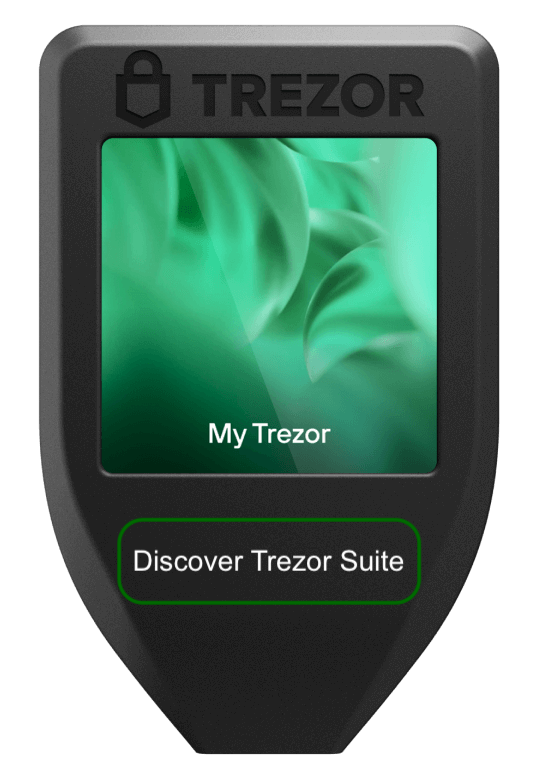
- Hardware Wallets: Offline storage (Ledger, Trezor $50-200)
- Multi-Signature: Multiple approvals required for transactions
- Exchange Custody: Convenient but introduces counterparty risk
- Self-Custody: Full control with personal responsibility
Liquidity and Transaction Speed Comparison
The assets differ dramatically in transaction efficiency and accessibility. Physical gold transactions involve logistical challenges including transportation, verification, and settlement processes that typically take days to complete for large transactions. Even gold-backed financial instruments involve traditional banking hours and settlement periods that limit transaction speed.
Bitcoin transactions occur 24/7/365 and typically settle within 10-60 minutes depending on network conditions and fee rates. This constant operation without holidays, weekends, or banking hours represents a significant advantage for global commerce and emergency liquidity needs. The ability to transfer billions of dollars in value within an hour without requiring third-party permission or involving the banking system represents a revolutionary capability that was impossible before Bitcoin’s creation.
Building the Perfect Portfolio With Both Assets
Rather than viewing gold and Bitcoin as competitive alternatives, sophisticated investors increasingly recognize their complementary properties within diversified portfolios. Each asset brings unique characteristics that, when combined thoughtfully, can enhance overall risk-adjusted returns while providing protection against different economic scenarios. The optimal allocation depends on individual circumstances, but the synergistic relationship between these assets deserves careful consideration.
Most financial advisors now recommend some exposure to both assets rather than choosing exclusively between them. Gold provides stability, historical validation, and proven performance during crisis periods, while Bitcoin offers asymmetric growth potential, technological innovation, and protection against a rapidly digitalizing financial system. Together, they create more robust protection against monetary debasement than either could provide independently.
Coinposters’ analysis indicates that portfolios combining both assets have delivered superior risk-adjusted returns compared to holding either individually. Even small allocations to Bitcoin alongside more substantial gold positions have significantly enhanced portfolio performance while maintaining reasonable risk parameters. This diversification benefit stems from the assets’ different behavior across various market conditions, with each providing strength where the other may demonstrate weakness.
| Investor Profile | Gold Allocation | Bitcoin Allocation | Risk Level | Primary Goal |
|---|---|---|---|---|
| Conservative | 5-10% | 1-2% | Low | Capital preservation |
| Moderate | 3-5% | 3-5% | Medium | Balanced growth |
| Aggressive | 2-5% | 5-10% | High | Maximum appreciation |
| Very Aggressive | 1-3% | 10-25% | Very High | Asymmetric upside |
Rebalancing Strategies During Market Cycles
Effective portfolio management requires disciplined rebalancing, particularly for volatile assets like Bitcoin. Percentage-based rebalancing triggers work well for this asset class, automatically capturing profits during explosive growth phases and systematically accumulating during bear markets. Many investors establish triggers at 25-50% deviations from target allocations, forcing the counterintuitive but profitable behavior of selling portions of outperforming assets and buying those that have underperformed.
Calendar-based rebalancing offers an alternative approach for investors who find emotional discipline challenging. By mechanically rebalancing at predetermined intervals (quarterly or semi-annually), investors avoid the psychological difficulties of market timing while maintaining their desired risk profile. This systematic approach has historically improved returns while reducing maximum drawdowns compared to static allocations, particularly in portfolios containing both gold and Bitcoin.
“Most financial advisors now recommend some exposure to both assets rather than choosing exclusively between them.”
— Coinposters Portfolio Analysis, 2026
The Future Outlook: Digital Gold vs Physical Gold
The relationship between gold and Bitcoin will continue evolving as digital assets mature and traditional financial systems adapt to technological innovation. While these assets began their relationship as perceived competitors, their interaction has become more nuanced, with each finding distinct roles in the modern investor’s toolkit. The data from 2026 shows these assets increasingly operating as complementary rather than competitive stores of value, responding differently to various economic conditions.
Gold’s multi-millennia history suggests it will maintain its relevance regardless of technological developments. Its tangible nature, cultural significance, and role in central bank reserves provide enduring support for its value proposition. Meanwhile, Bitcoin’s technological advantages, resistance to censorship, and programmable nature offer capabilities that physical gold cannot match. As Coinposters has documented, smart investors are increasingly utilizing both assets rather than choosing between them, recognizing that diversification across different forms of sound money provides more robust protection than commitment to any single asset.
Frequently Asked Questions
The gold versus Bitcoin debate generates numerous questions from investors trying to navigate these distinctive asset classes. This section addresses the most common inquiries based on current market conditions and historical performance patterns. Understanding these fundamental aspects can help investors make more informed decisions when allocating capital between these complementary stores of value.
Which is more secure: gold or Bitcoin?
Security comparisons between gold and Bitcoin depend entirely on implementation rather than inherent asset characteristics. Properly secured Bitcoin using hardware wallets with robust backup systems can provide extraordinary security against theft, potentially exceeding what’s possible with physical gold. However, Bitcoin security requires technical competence and disciplined key management, while gold’s physical security needs are more intuitive. Both assets can be secured effectively or lost catastrophically depending on the owner’s security practices—neither has an inherent security advantage independent of how it’s stored and protected.
Can Bitcoin ever fully replace gold as a store of value?
Complete replacement appears unlikely given gold’s deeply established cultural role and physical properties. More probable is a future where both assets coexist, with Bitcoin capturing a significant portion of the capital that might otherwise flow to gold, particularly among younger, more technically-oriented investors. By 2026, Bitcoin’s market capitalization has reached approximately 20% of gold’s total market value, suggesting substantial adoption while confirming that gold maintains its dominant position in the store of value market. This relationship will likely continue evolving as Bitcoin matures, but complete displacement of gold remains improbable given its unique physical properties and institutional entrenchment.
What happens to Bitcoin’s value when all 21 million coins are mined?
When the final bitcoin is mined around the year 2140, the Bitcoin network will transition to operating entirely on transaction fees rather than block subsidies. Miners will continue securing the network, motivated by fees paid by users sending transactions. This transition has already begun gradually, with block rewards diminishing through halving events approximately every four years.
This shift represents a fundamental difference from gold, where mining continues indefinitely. Bitcoin’s perfectly fixed supply means that after all coins are mined, no amount of price increase can incentivize additional production. This absolute scarcity represents either Bitcoin’s greatest strength or fatal flaw, depending on one’s perspective on the long-term sustainability of a fee market sufficient to secure the network.
Is gold or Bitcoin better during a stock market crash?
Historical data consistently shows gold outperforming Bitcoin during acute market crashes and periods of extreme risk aversion. During the March 2020 COVID crash, the 2022 tech collapse, and the banking turbulence of 2023, gold initially demonstrated greater stability and typically recovered faster than Bitcoin. This pattern reflects gold’s deeper liquidity, longer history, and status as the traditional crisis hedge recognized by institutional investors worldwide.
However, Bitcoin has typically delivered superior performance during the recovery phases following market crashes. While gold tends to preserve capital during the initial shock, Bitcoin often experiences more dramatic appreciation during the subsequent rebuilding period, particularly when accompanied by monetary stimulus or liquidity injections. This complementary behavior suggests both assets may have roles in a comprehensive portfolio strategy—gold for immediate crash protection and Bitcoin for capturing the recovery phase.
How much gold or Bitcoin should I have in my investment portfolio?
Optimal allocation percentages should reflect your individual risk tolerance, time horizon, and existing portfolio composition rather than following generic recommendations. Conservative investors typically maintain gold allocations of 5-10% with Bitcoin limited to 1-2%, while more aggressive investors might allocate 5-10% to Bitcoin and 2-5% to gold. These ranges provide meaningful exposure to the diversification benefits and appreciation potential of both assets while managing overall portfolio volatility.
Age and time horizon significantly influence appropriate allocations. Younger investors with decades before retirement can generally accept higher Bitcoin allocations given their ability to withstand temporary drawdowns and capture long-term appreciation. Conversely, investors approaching or in retirement typically benefit from higher gold allocations, emphasizing capital preservation over growth potential.
Coinposters’ portfolio analysis suggests that combining both assets even in modest allocations provides superior risk-adjusted returns compared to excluding either entirely. The complementary nature of their performance across different market conditions creates diversification benefits that enhance overall portfolio resilience while maintaining exposure to the unique advantages each asset offers. For more insights on managing such diverse investments, consider these tips and tricks with tracking tools.
Ready to Diversify Your Portfolio?
Both gold and Bitcoin offer unique advantages in the modern investment landscape. Understanding their complementary roles can help you build a more resilient wealth preservation strategy.
© 2026 Coinposters · All Rights Reserved




Latest
Bitcoin
25 Feb 2026
Bitcoin
21 Feb 2026
Bitcoin
13 Feb 2026
Bitcoin
07 Feb 2026