Coinposters
2026 Gold & Bitcoin Inheritance Planning Guide With Estate & Trust Considerations

Gold & Bitcoin Inheritance Planning with Estate & Trust Considerations
Strategic guide to protecting digital and precious metal assets for heirs. Trust structures, tax implications, and secure transfer methods explained.
⚡ Key Takeaways
- Gold and Bitcoin require specialized inheritance planning approaches due to their unique physical and digital properties that traditional estate plans often fail to address
- Setting up proper trust structures can protect alternative assets from probate delays and provide significant tax advantages for your beneficiaries
- Secure transfer of Bitcoin requires technical solutions beyond legal documents, including hardware wallet backups and detailed access instructions
- Physical gold inheritance benefits from proper documentation, storage solutions, and insurance that considers both security and accessibility for executors
- Coinposters provides comprehensive estate planning solutions that address the unique challenges of alternative asset inheritance
Why Gold and Bitcoin Require Special Inheritance Planning
Passing down wealth isn’t what it used to be. Traditional estate plans built for stocks, bonds, and real estate often fail catastrophically when applied to alternative assets like gold and Bitcoin. The unique characteristics of these assets—physical security needs for gold and cryptographic access requirements for Bitcoin—demand specialized inheritance approaches that many estate planners haven’t yet mastered.
Without proper planning, your hard-earned alternative assets could become permanently inaccessible to your heirs, creating unnecessary financial loss and family conflict. A comprehensive inheritance strategy for gold and cryptocurrency requires both legal frameworks and practical access solutions working in harmony. This approach ensures your assets transfer efficiently, securely, and with minimal tax burden.
Unique Risks and Challenges of Digital Asset Inheritance
Bitcoin and other cryptocurrencies present unprecedented inheritance challenges due to their decentralized nature. Unlike traditional financial accounts, there’s no bank or institution to contact with a death certificate to gain access. Cryptocurrency inheritance relies entirely on possession of private keys—complex alphanumeric codes that cannot be recovered if lost. When these assets reside in non-custodial wallets (where you control the keys), they can permanently vanish without proper succession planning.
The technical complexity creates a dangerous knowledge gap. Many executors and beneficiaries lack the technical understanding to properly access, secure, and transfer digital assets. Without detailed instructions from you, even well-intentioned executors may inadvertently compromise security or lose access entirely. The immutable nature of blockchain transactions adds further pressure—mistakes in transferring cryptocurrency cannot be reversed, unlike traditional banking errors.
Privacy considerations further complicate matters. While privacy is often considered a feature of cryptocurrency, it becomes a liability in inheritance planning if your heirs don’t know these assets exist. Unlike traditional financial accounts that generate statements and tax forms, cryptocurrency holdings can remain completely invisible to family members and executors unless you explicitly document them.
Common Inheritance Disasters
The QuadrigaCX Case: Gerald Cotten, founder of QuadrigaCX exchange, died unexpectedly in 2018, allegedly taking the private keys to $190 million in customer cryptocurrency to his grave. While this example involves an exchange rather than personal holdings, it dramatically illustrates the finality of lost access.
Lost Bitcoin Statistics: An estimated 4 million Bitcoin (worth over $100 billion at current prices) are already permanently lost, many due to death or incapacitation of their owners.
Hidden Gold Problems: Undocumented physical gold leads to frantic searches, family suspicion, and potential theft. In one case, a client’s father had hidden gold coins throughout his home without creating an inventory—the resulting search damaged property and created lasting resentment among siblings.
The Growing Value of Alternative Assets in Estate Portfolios
The significance of proper inheritance planning for gold and Bitcoin continues to grow as these assets represent an increasingly substantial portion of personal wealth. Bitcoin alone has seen over 30,000% growth in the past decade, transforming modest investments into significant fortunes. Gold, meanwhile, remains a cornerstone store of value that has preserved wealth through centuries of economic uncertainty.
This wealth shift toward alternative assets isn’t just about early cryptocurrency adopters. Mainstream investors increasingly allocate portions of their portfolios to gold and Bitcoin as inflation hedges and portfolio diversification tools. Major financial institutions now offer cryptocurrency custody services, and retirement accounts increasingly include these alternative assets. As these holdings grow in value and become more common, the inheritance planning gap becomes more consequential.
The multigenerational impact of these assets cannot be overstated. Unlike depreciating assets or depleting retirement accounts, both gold and Bitcoin have the potential to appreciate significantly over decades. A properly structured inheritance plan for these assets doesn’t just transfer current value—it potentially transfers generational wealth that can grow substantially during your beneficiaries’ lifetimes.
Setting Up Legal Frameworks for Gold Inheritance
Physical gold requires physical security, but also legal structure to ensure smooth inheritance. The first decision is whether your gold will pass through probate—the public, often lengthy court process that validates wills and oversees asset distribution. Probate exposes your holdings to public record, creates delays of months or even years, and can incur significant fees. For gold specifically, the probate process creates a vulnerable period where secured assets may need to be accessed, inventoried, and potentially moved. For those considering diversifying their investments, this guide for first-time gold vs. Bitcoin investment may offer valuable insights.
Direct Ownership vs. Trust-Held Physical Gold
The simplest ownership method—holding gold in your individual name—is often the most problematic for inheritance. Individually-owned gold must pass through probate, creating delays, expenses, and public records of your holdings. During probate, your executor must locate, access, inventory, and secure these assets, often without specialized knowledge of precious metals.
Trust ownership provides significant advantages for gold inheritance. By placing physical gold in a properly structured revocable living trust, you create a seamless transition of control to your successor trustee upon incapacity or death. This approach avoids probate entirely, maintaining privacy and allowing immediate access by your chosen trustee. The trust approach also provides flexibility for distribution—you can specify exactly how and when your gold should be distributed, or keep it managed within the trust for generations.
For larger holdings, consider specialized structures like a limited liability company (LLC) owned by your trust. This additional layer can provide liability protection, simplified ownership documentation, and potential tax advantages. It also creates clearer separation between personal and investment assets, which can be particularly valuable for substantial precious metals portfolios.
🏠 Home Storage Solutions
- Quality safe offers immediate control
- At least two trusted individuals should know location and access methods
- Document safe combinations or key locations in estate plan
- Creates security vulnerabilities and potential discovery challenges
- Requires careful documentation for executors
🏦 Professional Depository Services
- Dedicated facilities with comprehensive protection systems
- Automatic inventory verification
- Specialized insurance coverage
- Established processes for estate transfers and successor access
- Estate documents must include account information and contact details
Tax Implications for Gold Transfer to Heirs
The tax treatment of inherited gold differs significantly from its taxation during your lifetime. Physical gold held for more than one year is typically taxed at the collectibles capital gains rate of 28% when sold during your lifetime—substantially higher than the 15-20% long-term capital gains rates for most financial assets. However, inherited gold receives a step-up in basis to its fair market value at the date of death, potentially eliminating capital gains tax on all appreciation that occurred during your lifetime.
This step-up in basis creates strategic planning opportunities. For substantial gold holdings with significant appreciation, inheritance may provide more tax advantages than gifting during your lifetime. However, very large estates exceeding federal estate tax exemptions (currently $13.61 million per individual for 2026) may face estate taxes of up to 40% on values above the exemption threshold, potentially outweighing capital gains advantages.
State-level taxes add another layer of consideration. Some states impose their own estate or inheritance taxes with much lower exemptions than federal limits. Several states specifically tax tangible personal property like gold differently than financial assets, sometimes with special exemptions or higher rates. Consult with a tax professional familiar with your state’s specific treatment of precious metals.
Bitcoin Inheritance Security Solutions
Bitcoin inheritance planning requires solutions to a fundamental challenge: providing complete access to your heirs while maintaining security during your lifetime. This technical balancing act goes beyond traditional estate planning approaches and requires specific protocols tailored to cryptocurrency’s unique characteristics.
The core of Bitcoin inheritance planning revolves around private key management—controlling who can access the cryptographic keys that unlock your holdings. Effective inheritance protocols must address key storage, authorized access mechanisms, and clear procedures for your beneficiaries or executor to follow. Without these technical safeguards, even the most carefully drafted legal documents may fail to transfer your digital assets.
Multi-Signature Wallets for Controlled Access
Multi-signature (multisig) wallet technology provides one of the most powerful Bitcoin inheritance solutions by requiring multiple private keys to authorize transactions. A common arrangement uses a 2-of-3 configuration where any two of three separate keys can access the funds. In this scenario, you might hold one key, assign another to your estate attorney or executor, and store the third in secure backup. During your lifetime, you maintain control using your key plus the backup, while after death, your executor and the backup key provide access.
This approach creates significant security advantages over single-key solutions. The distributed key architecture protects against both theft and loss, as no single point of failure can compromise the entire holding. For heirs with limited technical expertise, multisig arrangements also allow trusted advisors to assist in the recovery process without having unilateral control over the assets.
Setting up multisig inheritance requires careful documentation of each key holder’s responsibilities, access procedures, and verification protocols. Your estate plan should clearly identify authorized key holders and include detailed instructions for executing the multisig recovery process. Consider regular verification checks where key holders confirm they still maintain proper access without actually moving funds.
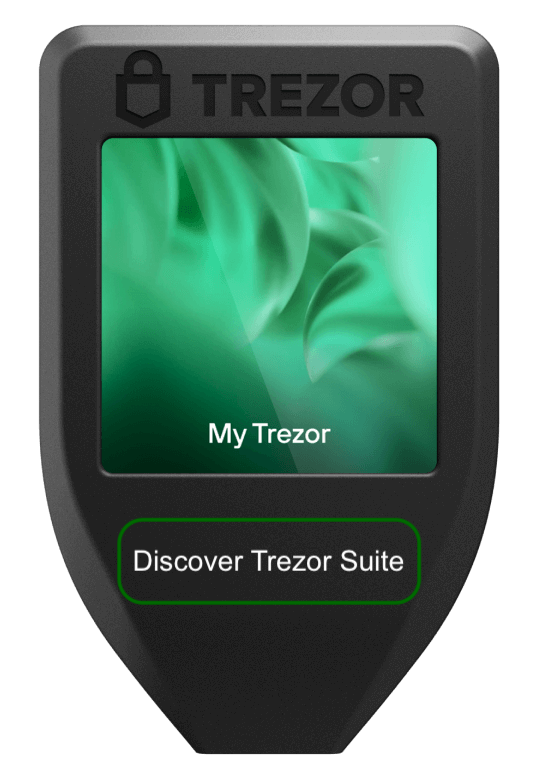
Hardware Wallet Backup Strategies
Essential Backup Methods:
- Split storage across multiple secure locations known to your executor
- Steel backups resistant to fire and water damage
- Safe deposit boxes or security vaults with documented access protocols
- Trusted attorney or security service with specialized digital asset expertise
- Distributed fragments requiring multiple pieces to reconstruct the full phrase
For a comprehensive understanding of seed phrases and their importance, read more about Bitcoin wallet basics.
Dead Man’s Switch Options for Automatic Transfer
A dead man’s switch provides automated Bitcoin transfer triggered by your inactivity over a specified period. These systems regularly require confirmation that you’re still active; failing to provide this confirmation eventually triggers the release of access information to your designated beneficiaries. This approach ensures your Bitcoin remains accessible even if your death is unexpected or occurs without witnesses aware of your crypto holdings.
Commercial dead man’s switch services specifically designed for cryptocurrency inheritance have emerged in recent years. These services typically store encrypted access information that becomes available to pre-designated recipients after your confirmed inactivity. The most secure implementations use multi-factor authentication for recipient verification and gradual information release protocols that allow time for intervention if accidentally triggered.
| Solution Type | Security Level | Inheritance Process | Best For |
|---|---|---|---|
| Custodial Services | Institution-managed | Contact with death certificate (similar to traditional accounts) | Actively traded portions, those preferring simplicity |
| Non-Custodial Wallets | Maximum (you control keys) | Requires pre-arranged key transfer protocols | Long-term holdings, those valuing full sovereignty |
| Hybrid Approach | Balanced | Different procedures for each holding type | Most sophisticated investors (recommended) |
Trust Structures That Work Best for Alternative Assets
Trusts provide powerful legal frameworks for both gold and Bitcoin inheritance, but require specific provisions to address the unique characteristics of these assets. Standard trust language designed for traditional financial accounts often fails to properly address alternative assets, creating potential legal ambiguity and administrative challenges. With proper structuring, however, trusts offer substantial advantages including probate avoidance, privacy protection, and flexible distribution control.
The most effective trust solutions for alternative assets combine broad legal authority with specific technical protocols. This dual approach ensures your successor trustee has both the legal right to control these assets and the practical means to access and manage them. Without both elements working together, even well-intentioned plans may fail to effectively transfer your holdings.
Living Revocable Trusts for Bitcoin and Gold
Revocable living trusts offer the most flexible and comprehensive solution for most alternative asset holders. These trusts allow you to maintain complete control during your lifetime while creating seamless transfer mechanisms that activate upon incapacity or death. The revocable nature enables you to adapt your plan as technologies evolve and your holdings change—a crucial feature given the rapidly developing cryptocurrency landscape.
When establishing a trust for Bitcoin and gold, ensure the trust agreement explicitly authorizes your successor trustee to hold, manage, and distribute these specific asset types. Standard boilerplate language may not clearly empower trustees to work with digital assets or precious metals. Include provisions that explicitly permit trustees to engage with cryptocurrency exchanges, hardware wallets, and depository services as needed to properly administer your holdings.
Consider including specific language that addresses the technical aspects of cryptocurrency management. Authorize trustees to maintain, update, and replace hardware wallets, engage technical consultants for accessing digital assets, and make determinations about which blockchain forks to follow in the case of cryptocurrency splits. This specific authorization helps prevent potential legal questions about whether these actions fall within the trustee’s authority.
Tax-Efficient Transfer Strategies for Alternative Assets
Optimizing the tax treatment of Bitcoin and gold transfers represents one of the most significant opportunities in alternative asset estate planning. These assets often experience substantial appreciation, creating potential tax liabilities that can significantly reduce inherited value. Strategic planning can minimize or eliminate these tax burdens while ensuring your beneficiaries receive maximum benefit from your alternative asset legacy.
The tax treatment of Bitcoin and gold differs in important ways, requiring asset-specific strategies rather than one-size-fits-all approaches. Bitcoin’s classification as property for tax purposes creates different planning considerations than gold’s treatment as a collectible. Understanding these distinctions enables more effective tax optimization tailored to your specific holdings.
2026 Tax Treatment Comparison: Gold vs. Bitcoin
During Lifetime:
Gold: Taxed as collectible at 28% maximum long-term rate
Bitcoin: Taxed at standard long-term capital gains rates (0%, 15%, or 20%)
Upon Inheritance:
Both assets: Receive stepped-up basis to fair market value at date of death
Both assets: Included in taxable estate for federal/state estate tax purposes
Both assets: No immediate income tax triggered by inheritance transfer
Step-Up in Basis Rules for Gold and Digital Assets
The step-up in basis represents one of the most powerful tax advantages for inherited alternative assets. Under current tax law, both gold and Bitcoin receive a new cost basis equal to their fair market value on the date of death, effectively eliminating capital gains tax on all appreciation that occurred during the deceased’s lifetime. This creates a substantial advantage for highly appreciated assets compared to lifetime gifting where original cost basis carries over to recipients.
Proper valuation documentation becomes crucial for maximizing this benefit. For Bitcoin, obtain and preserve exchange rate documentation from multiple reputable sources on your date of death. For physical gold, particularly rare coins or collectibles with value beyond metal content, professional appraisals establish proper stepped-up value. This documentation protects your beneficiaries if tax authorities later question the reported basis.
In community property states, spouses may receive a full step-up in basis on jointly owned assets, rather than just the deceased spouse’s portion. This distinction can significantly impact tax outcomes for married couples with substantial alternative asset holdings. Consult with an estate planning attorney familiar with your state’s specific community property rules to maximize this potential benefit.
Gift Tax Exemptions and Annual Exclusion Planning
Strategic lifetime gifting of alternative assets can complement your inheritance plan while providing tax advantages and allowing you to witness beneficiaries benefiting from your generosity. The annual gift tax exclusion (currently $18,000 per recipient for 2026) allows you to transfer significant value over time without filing gift tax returns or using your lifetime exemption. For volatile assets like Bitcoin, timing these gifts during market downturns can maximize the amount transferred while minimizing potential gift tax implications.
For educational support, consider direct payments to educational institutions, which qualify for unlimited gift tax exemptions beyond the annual exclusion amounts. This approach allows you to support beneficiaries’ education while preserving your annual exclusion and lifetime exemption for direct transfers of alternative assets. Similar unlimited exemptions apply for direct payments of medical expenses, providing additional planning opportunities.
Charitable planning creates additional tax-efficient transfer options, particularly for highly appreciated Bitcoin. Direct donations of long-term appreciated Bitcoin to qualified charities can provide income tax deductions for the full fair market value while avoiding capital gains tax entirely. For philanthropically inclined individuals, strategies like Donor Advised Funds and Charitable Remainder Trusts can optimize the tax treatment of alternative assets while supporting your charitable goals.
Creating Clear Instructions for Your Executor
Even the most carefully structured legal framework will fail without clear, actionable instructions for your executor or successor trustee. Alternative assets require specific guidance beyond what’s typically included in traditional estate plans. Create comprehensive documentation that addresses both the legal and practical aspects of managing, accessing, and distributing your Bitcoin and gold holdings.
What to Include in Your Digital Asset Memorandum
- Complete inventory of all digital assets including wallet types and approximate holdings
- Glossary of cryptocurrency terminology for executors with limited technical background
- Step-by-step recovery procedures for each type of cryptocurrency holding
- Screenshots of interfaces with expected prompts and verification steps
- Troubleshooting guides for common issues
- Video walkthroughs for complex procedures (stored securely with encryption)
Balance Between Security and Accessibility
The central challenge in alternative asset inheritance planning lies in balancing security during your lifetime with accessibility after your passing. Excessive security measures may protect your assets while you’re alive but render them inaccessible to heirs, while overly accessible arrangements risk compromise during your lifetime. The optimal approach creates a secure framework with carefully structured access mechanisms that activate only when needed.
Consider implementing a “security cascade” where critical access information is divided among multiple trusted individuals or secure locations, requiring coordination for complete access. This approach prevents any single point of compromise while ensuring your executor can assemble complete access by following your documented protocol. Include verification mechanisms that allow executors to confirm they’ve successfully accessed accounts before attempting any transfers.
Regular testing and updating of your access protocols ensures they remain functional as technologies evolve and your holdings change. Schedule annual reviews where you verify that all documentation remains accurate, access mechanisms still function as intended, and any new assets are properly incorporated into your plan. This maintenance prevents your carefully designed system from becoming obsolete or incomplete over time.
Protecting Your Heirs from Crypto Scams and Theft
The period immediately following inheritance creates particular vulnerability for beneficiaries receiving Bitcoin and other cryptocurrencies. Inexperienced heirs suddenly responsible for substantial digital assets become prime targets for sophisticated scams, fraudulent “recovery services,” and technical exploitation. Your inheritance plan should include specific safeguards that protect beneficiaries during this high-risk transition period.
The most significant risks often come from seemingly legitimate sources—individuals or services claiming to offer assistance with cryptocurrency recovery or management. These scammers may present professional credentials, create convincing websites, or even identify themselves as representatives of wallet manufacturers or exchanges. Without proper guidance, grieving and technically inexperienced heirs may readily provide private keys or seed phrases to these malicious actors.
Education Plan for Technically Inexperienced Beneficiaries
Develop a comprehensive educational resource for your beneficiaries that builds cryptocurrency knowledge from basic concepts to practical security practices. Begin with fundamental blockchain concepts, gradually progressing to specific information about securely storing, managing, and eventually transferring or liquidating inherited assets. Include clear warnings about common scams and exploitation methods targeting new cryptocurrency holders. For a deeper understanding of these concepts, explore Cryptocurrencies 101.
Consider funding professional education for key beneficiaries who will manage significant cryptocurrency inheritances. Several reputable organizations offer structured courses on cryptocurrency security and management, providing beneficiaries with both knowledge and confidence to properly handle these assets. Explicitly authorize and budget for this training in your estate plan to ensure it occurs promptly after your passing.
Create a curated resource list of legitimate services, trusted advisors, and verified information sources your beneficiaries can safely consult. This “trusted contacts” document should include vetted cryptocurrency tax professionals, security consultants, and legal advisors familiar with digital assets. Update this resource list regularly to ensure it remains current with the evolving cryptocurrency landscape.
Frequently Asked Questions
The intersection of estate planning and alternative assets generates many common questions. Below are answers to the most frequently asked questions about Bitcoin and gold inheritance planning, providing clear guidance for protecting these valuable holdings.
Can I include my Bitcoin in a traditional will?
While you can legally mention Bitcoin in your will, this approach creates significant practical problems. Wills become public record during probate, potentially exposing your cryptocurrency holdings. More importantly, a will alone doesn’t provide the technical access information needed to actually transfer Bitcoin—it only establishes legal ownership rights. For effective Bitcoin inheritance, combine proper legal frameworks (preferably trusts) with detailed technical access protocols stored securely outside your will document.
How do estate taxes apply to Bitcoin and gold specifically?
Both Bitcoin and physical gold are considered property for estate tax purposes, with their fair market value on your date of death included in your taxable estate. For federal estate taxes, these assets count toward your total estate value, potentially subject to estate tax if your total estate exceeds the current exemption threshold ($13.61 million per individual for 2026). State-level estate taxes may apply at much lower thresholds depending on your jurisdiction.
The primary tax advantage for both assets comes through the stepped-up basis rules, which reset the cost basis to fair market value at death. This eliminates capital gains tax on appreciation that occurred during your lifetime—a particularly significant benefit for early Bitcoin investors or long-held gold positions with substantial gains.
What happens if my gold or Bitcoin increases significantly in value after I’ve created my estate plan?
Asset appreciation doesn’t invalidate your estate plan, but may require strategic adjustments to optimize tax treatment and ensure equitable distribution. If specific assets like Bitcoin experience dramatic growth relative to other holdings, previously “equal” distributions may become significantly unbalanced. Review your estate plan whenever major value changes occur in your alternative asset holdings, especially if you’ve designated specific assets to different beneficiaries.
For substantial appreciation that pushes your estate above exemption thresholds, consider implementing lifetime gifting strategies to reduce potential estate tax exposure. Annual exclusion gifts, educational and medical payments, and charitable planning can transfer value while reducing eventual estate tax liability.
Should I tell my beneficiaries about my crypto holdings before I pass away?
Limited disclosure to key beneficiaries or fiduciaries typically provides the best balance between security and effective inheritance planning. While complete secrecy creates significant risk of permanent loss, excessive detail might compromise security. Consider providing general information about the existence and approximate value of cryptocurrency holdings while securing specific access details (private keys, seed phrases, exchange credentials) in protected documentation that becomes available only after your passing.
How often should I update my estate plan for digital assets?
Digital asset estate plans require more frequent updates than traditional plans due to rapidly evolving technology, security practices, and holdings. Schedule comprehensive reviews at least annually to update asset inventories, verify access mechanisms, and incorporate new security practices. Additionally, trigger immediate reviews whenever you acquire new digital assets, change storage methods, or update wallet software or hardware.
The most effective maintenance approach combines scheduled reviews with event-triggered updates. Maintain a secure change log documenting each update to your digital asset plan, including what changed and why. This historical record helps executors understand your security evolution and ensures they’re working with your most current instructions rather than outdated documentation.
Secure Your Alternative Asset Legacy
Coinposters provides comprehensive estate planning solutions designed specifically for alternative assets like gold and Bitcoin. Our specialized trusts and digital asset protection plans ensure your hard-earned wealth transfers securely to your chosen beneficiaries with maximum tax efficiency and minimal complexity.
Visit our website today to learn how we can help secure your legacy for generations to come.
© 2026 Coinposters · All Rights Reserved




Latest
Bitcoin
25 Feb 2026
Bitcoin
21 Feb 2026
Bitcoin
13 Feb 2026
Bitcoin
07 Feb 2026